EN
EN
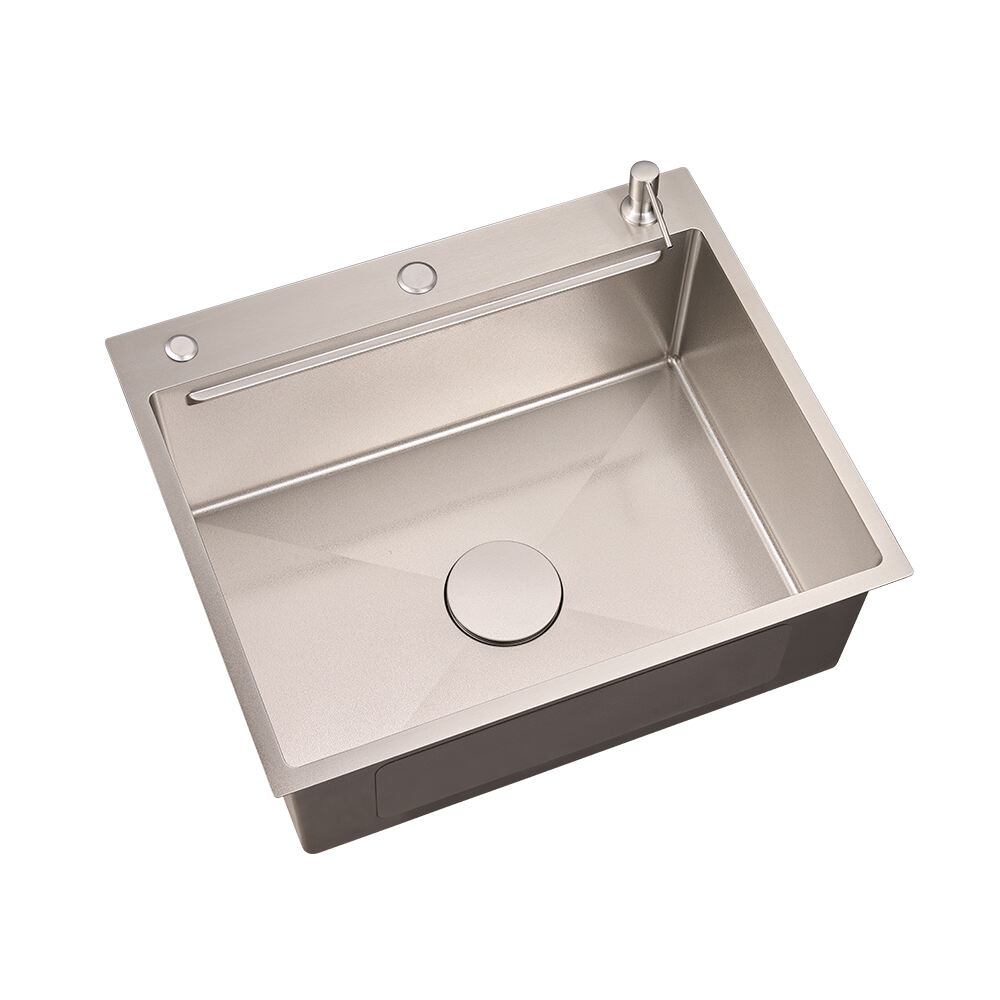
Modern mutfaklar, işlevselliği minimum bakım gereksinimleriyle birleştiren donanımlar gerektirir. Bakımı kolay paslanmaz çelik bir lavabo, yoğun tempolu ev sahipleri ve ticari tesisler için dayanıklılık, hijyen ve kullanım kolaylığı arasında mükemmel dengeyi temsil eder. Uygun malzeme seçimi, yüzey işlemlerinin yanı sıra tasarım unsurları, günlük temizliğin ne kadar kolay hale geldiğini doğrudan etkiler; aynı zamanda lavabonun yıllar boyu kusursuz görünümünü korur.
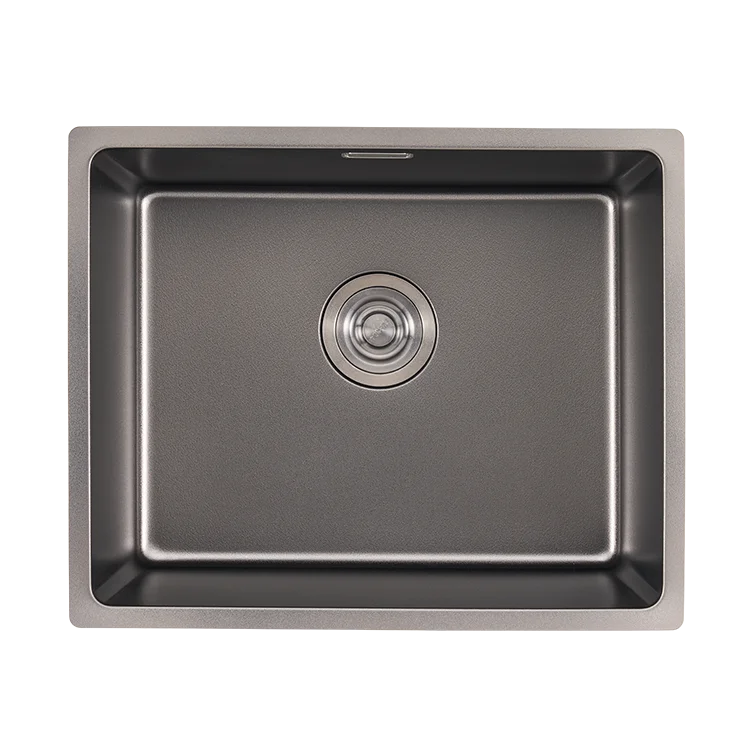
Paslanmaz çelik lavabolar, lekelenmeye, korozyona ve bakteri üremesine doğal dirençleri nedeniyle onlarca yıldır mutfak tasarımında öncülük etmektedir. Ancak tüm paslanmaz çelik formülasyonları aynı bakım avantajlarını sağlamamaktadır. Premium sınıf malzemeler, temizlenebilirliği artıran; su lekesi ve parmak izi kalıntısı oluşumunu ise en aza indiren özel alaşım kompozisyonları içermektedir. Bu malzeme bilimi ilkelerini anlayarak tüketiciler, bakım gereksinimlerini gerçekten azaltan özellikleri doğru şekilde tanımlayabilir.
Üretim süreci, bir lavabonun günlük kullanımda görünümünü ne kadar kolay koruyacağını önemli ölçüde etkiler. Gelişmiş yüzey işleyici teknikleri, çizilmeye dirençli mikroskopik dokular oluştururken aynı zamanda temizliği de kolaylaştırır. Bu mühendislikle tasarlanmış yüzeyler, duran suyu ortadan kaldıran ve ulaşılması zor bölgelerde mineral birikimini önleyen uygun lavabo geometrisiyle birlikte çalışır.
Malzeme Bileşimi ve Sınıf Seçimi
SUS304 Paslanmaz Çelik Avantajları
SUS304 paslanmaz çelik, mutfak uygulamaları için ideal olan ve korozyona dayanıklı bir matris oluşturan %18 krom ve %8 nikel içerir. Bu özel alaşım bileşimi, gıda hazırlama sırasında yaygın olarak karşılaşılan asidik gıdalara, temizlik kimyasallarına ve sıcaklık dalgalanmalarına karşı üstün direnç sağlar. Krom içeriği, küçük yüzey hasarlarını kendiliğinden onaran koruyucu bir oksit tabaka oluşturur ve bu sayede lavabonun bütünlüğü özel bakım protokolleri gerektirmeden korunur.
Nikel bileşeni, özellikle sert suya veya yüksek mineral içeriğine sahip bölgelerde önemli olan klorür kaynaklı korozyona karşı malzemenin direncini artırır. Bu özellik, agresif temizlik maddelerine veya limon suyu ve sirke gibi asidik maddelere maruz kaldığında bile parlak yüzeyini koruyan, bakımı kolay paslanmaz çelik bir lavabonun güvenilirliğini sağlar. Kararlı austenitik yapı, manyetik çekim oluşumunu önler; bu da doğru alaşım bileşimi ve kaliteli üretim standartlarının varlığını gösterir.
SUS304 sınıfı malzeme için imalat toleransları, şekillendirme süreçleri sırasında hassas sıcaklık kontrolü gerektirir. Bu metalürjik ayrıntılara gösterilen dikkat, lavabo kabini boyunca homojen bir tane yapısı oluşturur ve korozyonun başlayabileceği zayıf noktaları ortadan kaldırır. Tutarlı malzeme özellikleri, tüm yüzey alanındaki temizlik tepkilerinin öngörülebilir olmasını sağlar; bu da bakım işlemlerini basit ve etkili hale getirir.
Yüzey İşleme Teknolojileri
Çizilmeye karşı dayanıklı yüzey işlemleri, küçük çizikleri gizlerken pürüzsüz temizleme özelliklerini koruyan kontrollü mikro dokular oluşturmak için özel aşındırıcı işlemler kullanır. Bu mühendislik ürünü yüzeyler, ışık yansıma desenlerini yeniden yönlendirerek, normal mutfak aydınlatma koşullarında günlük aşınma izlerini neredeyse görünmez hale getirir. Sonuç olarak, düzenli kullanıma rağmen daha uzun süre yeni gibi görünen, bakımı kolay bir paslanmaz çelik lavabo elde edilir.
Fırçalanmış yüzeyler, temizleme hareketlerini yönlendiren ve su lekesi ile parmak izlerini gizleyen yönlenmiş dokulu desenler içerir. Doğrusal doku, doğal bir temizleme rehberliği sağlar ve kullanıcıların temizleme verimliliğini maksimize edecek şekilde tutarlı yönlerde silkmelerini teşvik eder. Bu yüzey işlemi, kapsamlı bakım aralıkları arasında kabul edilebilir görünüm standartlarını korurken derin temizleme seanslarının sıklığını azaltır.
Parmak izi önleyici kaplamalar, yağları iten ve görünür lekelenmeyi azaltan gelişmiş yüzey kimyası uygulamalarıdır. Bu moleküler düzeydeki işlemler, paslanmaz çeliğin temel özelliklerini korurken oleofobik (yağa karşı dirençli) özellikler kazandırarak rutin temizliği kolaylaştırır. Kullanıcılar, yüzeylerin orijinal görünümünü geri kazanmak için yalnızca hafif bir silme işlemi gerektirmesi nedeniyle bakım süresinde büyük ölçüde azalma yaşarlar.
Temizliği Kolaylaştıran Tasarım Unsurları
Kase Geometrisi ve Drenaj Optimizasyonu
Uygun lavabo eğimleri, mineral birikimlerini ve bakteri gelişimini teşvik eden duran su birikintileri olmadan tam su tahliyesini sağlar. İdeal drenaj açısı, işlevsel kapasite ile temizleme verimliliğini dengeler ve gıda parçacıklarını ve temizleme solüsyonlarını uzaklaştırmada yer çekiminden yararlanmayı sağlar. Bakımı kolay bir paslanmaz çelik lavabo, kalıntının birikebileceği keskin köşeleri ortadan kaldıran hesaplanmış eğriler içerir.
Yuvarlatılmış köşe yarıçapları, gıda atıklarının çatlaklarda sıkışmasını önlerken standart süngerler ve bezlerle kapsamlı temizliği kolaylaştırır. Bu pürüzsüz geçişler, dik açılı köşelerle ilişkili ovma zorluklarını ortadan kaldırarak temizleme süresini ve çabasını azaltır. Akışkan geometri aynı zamanda, uzun süreli kullanım dönemlerinde çatlak oluşumuna veya yüzey bozulmasına yol açabilecek gerilme yoğunluklarını da en aza indirir.
Entegre eğim mühendisliği, suyun drenaj açıklıklarına doğru akmasını sağlarken düz alt yüzeylerde birikinti oluşumunu önler. Bu hidrolik optimizasyon, damlacıkların yatay yüzeylerde yavaş buharlaştığı zaman oluşan su lekesi ve mineral lekelenmesini azaltır. Geliştirilmiş drenaj özellikleri, rutin bakımı daha etkili hale getirirken yoğun temizleme seansları arasındaki süreyi uzatır.
Kenar Tasarımı ve Montaj Entegrasyonu
Pürüzsüz kenar yapısı, gıda parçacıkları ve nemin nüfuz edebileceği boşlukları ortadan kaldırarak olası hijyen sorunlarına ve temizlik zorluklarına yol açan alanları ortadan kaldırır. Doğru şekilde şekillendirilen kenarlar, tezgâh yüzeyleriyle sorunsuz bir şekilde bütünleşir ve alttaki dolap yapılarını hasara uğratabilecek su sızıntısını engeller. Bu yapı yaklaşımı, özel dikkat gerektiren veya özel temizlik araçları gerektiren gizli alanları ortadan kaldırarak temizlik prosedürlerini basitleştirir.
Alt montaj tipi kurulumlar, sıvı ve kırıntıların temizlenmesini kolaylaştıran sürekli tezgâh yüzeyleri sağlar. Yükseltilmiş kenar kenarlarının olmaması, kullanıcıların artıkları çıkıntılı kenar yapılarının etrafında yönlendirme yapmadan doğrudan lavabo kabına süpürmesine olanak tanır. Bu tasarım felsefesi, bir bakımı kolay paslanmaz çelik lavabo yı günlük gıda hazırlama faaliyetleri için daha pratik hale getirirken temizlik karmaşıklığını azaltır.
Ses yalıtım pad’lerinin entegrasyonu, kullanım sırasında aşırı gürültü oluşumunu önlerken ek termal yalıtım özelliklerine de sahip olunmasını sağlar. Bu mühendislikle geliştirilmiş arka kaplama malzemeleri, bakım erişim sorunları veya temizlik zorlukları yaratmadan lavaboların alt yüzeylerine kalıcı olarak sabitlenir. Geliştirilen kullanıcı deneyimi, temizlik verimliliğini veya uzun vadeli dayanıklılık beklentilerini zedelemeksizin doğru lavabo kullanımı teşvik eder.
Bakımı Kolaylaştırıcı Özellikler ve Aksesuarlar
Entegre Aksesuarlar ve Drenaj Sistemleri
Alt ızgara sistemleri, bulaşık ve tava gibi eşyaları duran suyun üzerinde tutarak lavabo yüzeylerini çizilmelere karşı korur. Bu aksesuarlar, koruyucu ızgaraların altına kir birikimini önleyen minimum temas noktalarına sahip kolay temizlenebilir tasarımlarla donatılmıştır. Stratejik yerleştirme, yoğun mutfak aktiviteleri sırasında yüzey korumasını korurken kapsamlı temizlik erişimi sağlar.
Sepet süzgeç montajları, özel araçlara veya profesyonel servise gerek kalmadan kapsamlı temizlik ve artıkların uzaklaştırılmasını sağlayan çıkarılabilir bileşenlere sahiptir. Hassas şekilde uyumlu parçalar, gıda atıklarının tahliye sistemlerine girmesini engellerken bakım işlemlerinde kolay sökülme imkânı sunar. Bu kullanıcı tarafından bakımı yapılabilecek tasarımlar, paslanmaz çelik lavabonun kullanım ömrü boyunca optimal şekilde çalışmasını sağlar.
Sabunluk entegrasyonu, gıda hazırlama faaliyetleri sırasında temizlik çözümlerine kolay erişim sağlarken tezgâh üstü dağınıklığına son verir. Entegre sabunluklar, kalıcı kurulum değişiklikleri gerektirmeden çeşitli temizlik ürünleriyle uyumlu yeniden doldurulabilir rezervuarlara sahiptir. Bu kolaylık faktörü, lavabonun görünümünü ve işlevselliğini uzun süre koruyan tutarlı temizlik alışkanlıklarını teşvik eder.
Su Yönetimi ve Leke Önleme
Musluk yerleştirme optimizasyonu, büyük pişirme kapları için yeterli açıklığı sağlarken su akışını sıçramayı ve aşırı püskürmeyi en aza indirecek şekilde yönlendirir. Musluğun yüksekliği, ulaşım mesafesi ve lavabo boyutları arasındaki doğru geometrik ilişkiler, normal kullanım sırasında suyun köşelerde birikmesini veya fazla türbülans oluşmasını önler. Bu tasarım unsurları, rutin temizliği daha etkili hale getirirken su israfını ve dağınıklığı azaltır.
Su itici yüzey tedavileri, mineral birikimi oluşumunu önlemek için su damlacıklarının oluşmasını ve hızlı akışını teşvik eden gelişmiş nanoteknolojiyi kullanır. Bu görünmez kaplamalar, doğal paslanmaz çelik görünümünü korurken, genellikle sık sık dikkat gerektiren su lekesi oluşumunu önemli ölçüde azaltır. Geliştirilmiş drenaj özellikleri, bakımının kolay olduğu paslanmaz çelik lavaboyu, değişken su kalitesi koşullarına karşı daha hoşgörülü hale getirir.
Sıcaklık direnci özellikleri, sıcak pişirme ekipmanlarının yüzeye yerleştirilmesinin yüzey kaplamalarına zarar vermesini veya temizleme etkinliğini zayıflatmasını önler. Doğru şekilde üretilen paslanmaz çelik malzemenin termal kararlılığı, normal mutfak işlemlerindeki sıcaklık değişimlerine rağmen tutarlı temizleme performansını korur. Bu güvenilirlik faktörü, bakım gereksinimlerini etkileyebilecek rutin pişirme aktivitelerinden kaynaklanan kalıcı hasar endişelerini ortadan kaldırır.
Uzun Vadeli Dayanıklılık ve Performans Koruma
Korozyon Direnci ve Kimyasal Uyumluluk
Kimyasal direnç testi, yaygın ev temizlik ürünleriyle uyumluluğu doğrular ve rutin bakım işlemlerinin lavabonun bütünlüğünü veya görünümünü tehlikeye atmamasını sağlar. Geniş uyumluluk aralığı, kullanıcıların yüzey hasarı veya kaplama bozulması riski olmadan tercih ettikleri temizlik çözümlerini seçmelerine olanak tanır. Bu esneklik, paslanmaz çelik bir lavaboyu çeşitli ev tercihlerine ve temizlik felsefelerine uyum sağlamasını kolaylaştırır.
Klorür maruziyetine dayanıklılık, yoğun şekilde işlenmiş belediye suyu tedarik alanlarında veya sık sık klorür içeren (örneğin sıvı ağartıcı) ürünlerin kullanıldığı bölgelerde erken aşınmayı önler. Sağlam malzeme yapısı, temizlenmesi zor pürüzlü yüzeylere neden olabilecek çukurlaşma korozyonuna karşı dirençlidir. Bu direnç özelliği, lavabonun kullanım ömrü boyunca yüzeylerin pürüzsüz kalmasını ve temizlenmesini kolaylaştırır.
asidik ve alkalin koşullar boyunca pH kararlılığı, gıda hazırlama faaliyetleri veya temizlik ürünleri seçimleri ne olursa olsun tutarlı performans sağlar. Malzemenin tamponlama kapasitesi, uzun süreli asidik meyvelere veya alkalin deterjanlara maruz kalma sonucu oluşabilecek lokal korozyonu önler. Bu kararlılık faktörü, mutfak ortamlarında yaygın olarak karşılaşılan çeşitli maddeler için özel işlem gereksinimlerini ortadan kaldırarak bakım karmaşıklığını azaltır.
Aşınma Deseni Yönetimi ve Yüzey Ömrü
Düzenli aşınma dağılımı, yapısal bütünlüğü tehlikeye atabilecek veya uzun süreli kullanım süresince temizlik zorluklarına neden olabilecek lokal incelme oluşumunu engeller. Mühendislikle geliştirilmiş yüzey işlemlerinin, lavabonun kullanım ömrü boyunca kabul edilebilir görünüm standartlarını koruyan düzgün yaşlanma desenleri oluşturması sağlanır. Bu özellik, bakımı kolay paslanmaz çelik bir lavabonun yeniden işlenme veya değiştirilme gibi işlemler gerektirmeden kullanıcı beklentilerini karşılamaya devam etmesini sağlar.
Çizik onarım özellikleri, küçük yüzey hasarlarının normal temizlik işlemleriyle çevredeki alanlarla doğal bir şekilde kaynaşmasını sağlar. Paslanmaz çelik malzemenin eşit tonlamalı patina desenleri oluşturabilme yeteneği, günlük aşınmayı gizlemeye yardımcı olurken genel estetik çekiciliğini korur. Bu kendini bakım sağlayan özellik, yoğun restorasyon işlemlerinin sıklığını azaltırken işlevsel performans özelliklerini korur.
Darbeye dayanıklılık özellikleri, ağır mutfak eşyalarının kazara düşmesiyle kalıcı hasar oluşmamasını ve özel tamir prosedürleri gerektirmemesini garanti eder. Malzemenin tokluğu, su akışını engelleyebilecek veya temizliği zorlaştıracak çukur oluşumunu önler. Bu dayanıklılık faktörü, yoğun mutfak dönemlerinde yaşanan kaza sonucu oluşan yanlış kullanım durumlarına rağmen paslanmaz çelik lavabonun bakımı kolay işlevselliğini korur.
SSS
Paslanmaz çelik lavabomun görünüşünü korumak için ne sıklıkta derin temizlik yapmalıyım?
Derin temizleme sıklığı, kullanım alışkanlıklarına ve su kalitesine bağlıdır; ancak çoğu hane, haftalık yoğun temizlik seanslarından fayda görür. Uygun ürünlerle günlük hafif temizlik, agresif tedavi gerektiren birikimlerin oluşumunu önler. Doğru yüzey işlemlerine sahip, bakımı kolay paslanmaz çelik lavabo, normal kullanım koşullarında derin temizleme aralığını iki haftada bir olacak şekilde uzatabilir.
Paslanmaz çelik yüzeyi hasara uğratmamak için hangi temizlik ürünlerinden kaçınmalıyım
Koruyucu oksit tabakasını zayıflatabilecek klorlu ağartıcılar, çelik yünü veya sert asitler içeren aşındırıcı temizlik ürünlerinden kaçının. Amonyaklı ürünler renk değişikliğine neden olabilirken, aşındırıcı süngerler kalıcı çiziklere yol açabilir. Yüzey bütünlüğünü ve temizleme etkinliğini korumak için paslanmaz çelik için özel olarak formüle edilmiş, pH nötr temizlik ürünleri kullanın.
Sert su, paslanmaz çelik lavabonuzun bakım gereksinimlerini etkileyebilir mi
Sert su, kalıcı lekelenme ve birikimleri önlemek için daha sık temizlik gerektiren mineral birikimi oluşumunu artırır. Su yumuşatma sistemleri veya düzenli sirke uygulamaları bu etkileri önemli ölçüde azaltabilir. Kaliteli paslanmaz çelik lavabolar, düşük kaliteli malzemelere kıyasla mineral hasarına daha dayanıklıdır; bu da sert su bölgelerinde bakım işlemlerini daha yönetilebilir hale getirir.
Paslanmaz çelik lavabolar üzerindeki çizikler, zamanla temizlenebilirliklerini etkiler mi?
Yüzeyde kalan ve dokuya paralel olan küçük çizikler genellikle temizleme verimliliğini bozmaz. Ancak derin kazıntılar yiyecek artıklarını tutabilir ve hijyen açısından endişe yaratabilir; bu durum daha yoğun temizlik çabaları gerektirir. Doğru bakım teknikleri ve çizik dirençli yüzey tedavileri, kaliteli paslanmaz çelik lavaboların kolay bakım özelliğini korurken bu sorunu en aza indirmeye yardımcı olur.
İçindekiler
- Malzeme Bileşimi ve Sınıf Seçimi
- Temizliği Kolaylaştıran Tasarım Unsurları
- Bakımı Kolaylaştırıcı Özellikler ve Aksesuarlar
- Uzun Vadeli Dayanıklılık ve Performans Koruma
-
SSS
- Paslanmaz çelik lavabomun görünüşünü korumak için ne sıklıkta derin temizlik yapmalıyım?
- Paslanmaz çelik yüzeyi hasara uğratmamak için hangi temizlik ürünlerinden kaçınmalıyım
- Sert su, paslanmaz çelik lavabonuzun bakım gereksinimlerini etkileyebilir mi
- Paslanmaz çelik lavabolar üzerindeki çizikler, zamanla temizlenebilirliklerini etkiler mi?