EN
EN


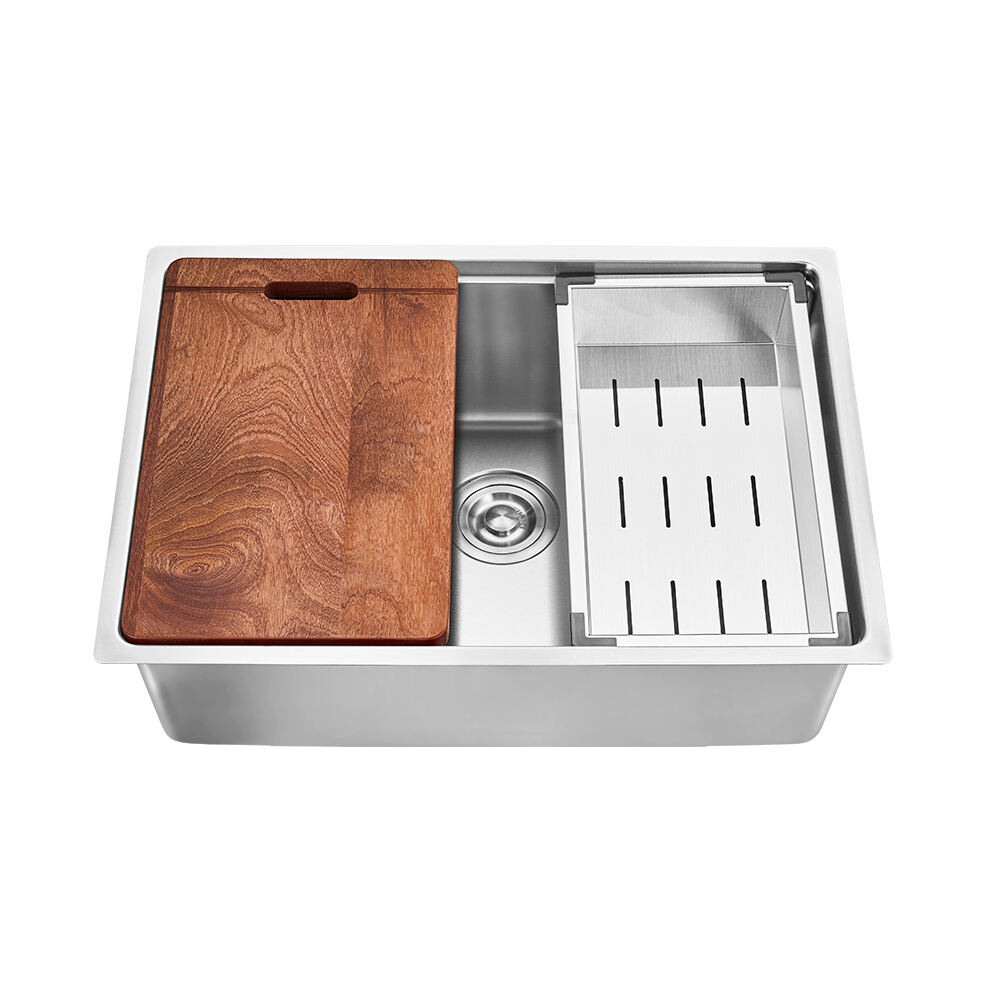
Сучасна кухня пережила кардинальні зміни за останнє десятиліття, а в центрі цього еволюційного процесу розташована кухонна раковина. Колись її сприймали виключно як функціональний елемент, але сьогодні кухонна раковина стала центральним елементом дизайну кухні, що відображає зміни у способах приготування їжі, прибирання, організації розваг та просторового планування житлових приміщень. З поширенням концепції відкритих планувань, мінімалістичних естетичних рішень та багатофункціональних робочих процесів вимоги до кухонної раковини значно перевищили простий доступ до води.
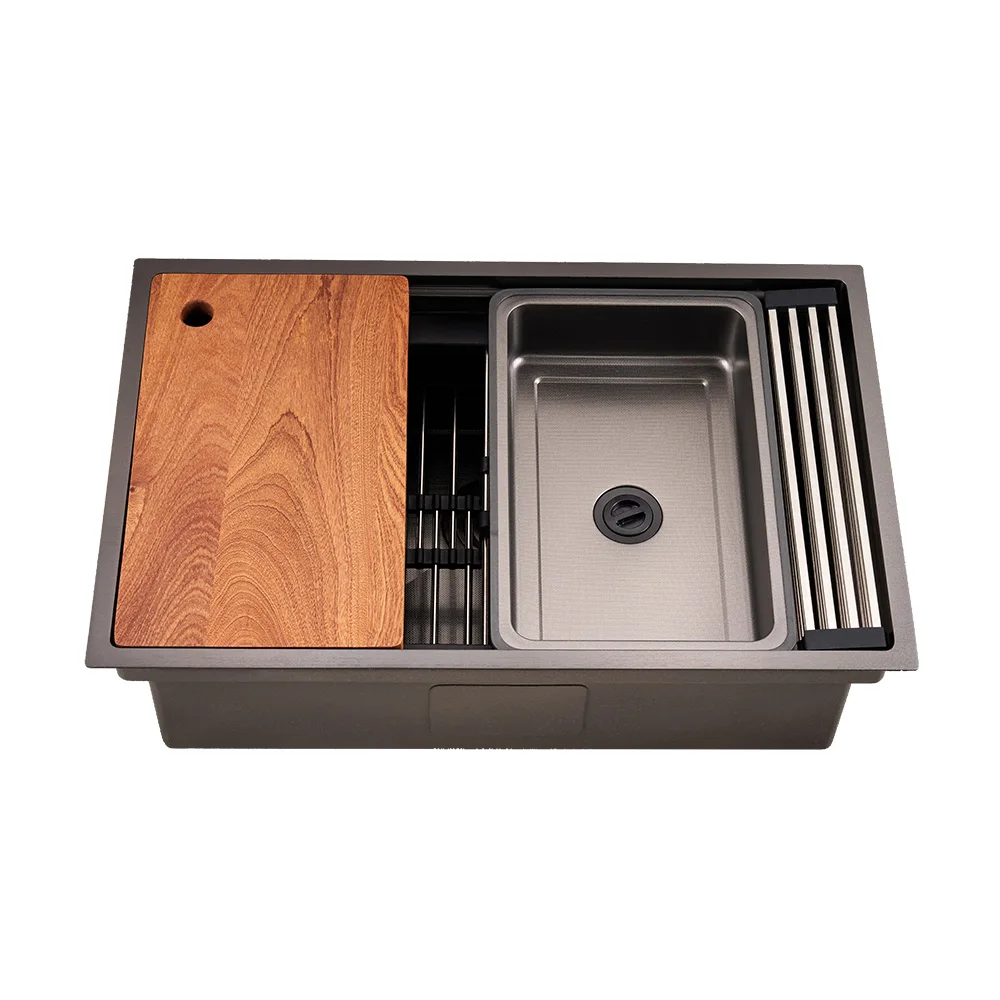
Розуміння того, як дизайн кухонних раковин адаптується до цих змінних вимог, передбачає аналіз інновацій у матеріалах, ефективності використання простору, технологій поверхонь та інтеграції функцій, орієнтованих на оптимізацію робочих процесів. У цій статті розглядаються ключові напрямки дизайну, що формують сучасний ландшафт кухонних раковин, а також пояснюється, чому ці адаптації мають важливе значення як для побутових, так і для комерційних кухонь.
Перехід до багатофункціонального дизайну кухонної раковини
Від однозначних до інтегрованих у робочий процес пристроїв
Традиційний дизайн кухонної раковини робив акцент на одному: утриманні води. Раковина, слив та кран вважалися достатніми. Сьогодні цю модель замінює підхід, інтегрований у робочий процес, за яким кухонна раковина одночасно виконує функції робочої зони для підготовки продуктів, центру для миття та зони для підготовки до подачі. Цей перехід зумовлений тим, що сучасні кулінари використовують раковину безперервно протягом усього процесу приготування страв, а не лише в кінці.
Виробники відреагували на це, створивши моделі кухонних раковин із вбудованими аксесуарами — друшляками, дошками для нарізання, сушильними решітками та кошиками для промивання, які розміщуються безпосередньо всередині або над раковиною. Такі додатки дозволяють користувачам мити, підготовлювати й віджимати інгредієнти, не переміщаючись між різними поверхнями. У результаті кухонна раковина активно бере участь у процесі приготування їжі, а не просто забезпечує його.
Цей багатофункціональний підхід є особливо актуальним у менших кухнях, де обмежено робочу площу на стільниці. Коли кухонна мийка може виконувати кілька підготовчих завдань, це ефективно збільшує функціональну площу кухні без необхідності додаткових квадратних метрів. Для B2B-покупців, які визначають кухонну сантехніку для житлових комплексів або комерційних установок, цей аргумент щодо ефективності має значну вагу.
Ступінчасті конфігурації раковин та їх практична цінність
Одним із найбільш наочних проявів багатофункціонального дизайну кухонної мийки є ступінчаста або багаторівнева конфігурація раковин. Замість однієї чаші з плоским дном такі конструкції передбачають усередині раковини сходинкоподібні зони, що дозволяють виконувати різні завдання одночасно на різних рівнях глибини. Глибша зона призначена для замочування та миття великих горщиків, тоді як менш глибока зона підходить для промивання продуктів або розміщення аксесуарів.
Ця конфігурація безпосередньо вирішує поширену проблему в завантажених кухнях: неможливість виконувати дві задачі, пов’язані з раковиною, одночасно без взаємного перешкоджання. кухонна мийка раковина з розділеними зонами усуває це вузьке місце, створюючи спеціалізовані функціональні зони всередині одного пристрою. Логіка проектування відповідає організації робочих процесів на професійних кухнях, забезпечуючи таку ж ефективність у побутових та напівкомерційних умовах.
Для закупівельних команд та дизайнерів кухонь конфігурації раковин з розділеними зонами також надають гнучкість у розміщенні аксесуарів. Друшляк, що підходить до однієї зони, кухонна дошка, яка охоплює іншу зону, та сушильна решітка, розташована в зоні відтоку, можуть співіснувати, не заважаючи одна одній. Ця модульність є ключовою причиною того, що раковини з розділеними зонами набувають популярності в різних сегментах ринку.
Матеріали та технології поверхонь, що забезпечують адаптацію кухонних раковин
Інновації в галузі нержавіючої сталі та нанопокриття поверхонь
Нержавіюча сталь уже давно є провідним матеріалом для кухонних раковин завдяки своїй міцності, гігієнічності та стійкості до тепла й корозії. Однак сучасна кухонна раковина з нержавіючої сталі — це значно більш досконалий продукт порівняно зі своїми попередниками. Досягнення в галузі технологій обробки поверхні вирішили дві найпоширеніші скарги щодо нержавіючої сталі: видимі подряпини та утворення плям від води.
Нанопокриття поверхні є одним із найважливіших сучасних досягнень у виробництві кухонних раковин. Ці мікроскопічні покриття створюють бар’єр, який стійкий до подряпин, відштовхує воду й олії та робить раковину значно простішою у прибиранні. Кухонна раковина з нанопокриттям зберігає свій зовнішній вигляд навіть за інтенсивного щоденного використання, чого не можуть забезпечити звичайні матові або поліровані раковини з нержавіючої сталі. Для комерційних кухонь та житлових приміщень із високим рівнем експлуатації це безпосередньо означає зниження витрат на технічне обслуговування та подовження естетичного терміну служби.
Технологія захисту від подряпин також вирішує практичну проблему для кухонних раковин ручної роботи, оскільки процес формування іноді може призводити до нерівномірності поверхні. У поєднанні з нано-фінішем конструкції ручно виготовлених кухонних раковин із нержавіючої сталі забезпечують як візуальну теплоту ремісничого виконання, так і функціональну стійкість промислового рівня захисту поверхні. Це поєднання все частіше вказується в елітних кухонних проектах, де й естетика, й експлуатаційні характеристики є обов’язковими.
Ручноробний раковина Конструкція та її структурні переваги
Ручна кухонна раковина, виготовлена шляхом ручного кування або ручного формування замість машинного штампування, має структурні та акустичні переваги, які безпосередньо відповідають сучасним вимогам до кухонь. Оскільки метал обробляється вручну, стінки раковини, як правило, товщі й мають більш однорідну щільність, що зменшує резонанс, який викликає шум під час удару води чи посуду об поверхню.
У кухнях відкритого плану, де кухонна мийка розташована на острові або півострові й видима з житлових та обідних зон, зниження рівня шуму є справжнім пріоритетом у дизайні. Ручна кухонна мийка з правильно встановленими шумопоглинаючими прокладками на зворотному боці працює зі значно нижчим рівнем шуму порівняно зі стандартною штампованою мийкою. Цей акустичний аспект усе частіше враховується при формуванні технічних характеристик кухонних миїк для елітних житлових та гостинних проектів.
Крім акустичних переваг, матеріал більшої товщини, що використовується при виготовленні ручних кухонних миїк, забезпечує кращу стійкість до вмятин і деформацій під час інтенсивного використання. Комерційні кухні, які обробляють великі обсяги посуду, отримують вигоду від такої конструктивної міцності. Таким чином, ручна кухонна мийка адаптується до вимогливих умов не за рахунок складності, а завдяки фундаментальній якості свого виготовлення.
Індивідуалізація та гнучкість у виборі розмірів у сучасному дизайні кухонних миїк
Чому індивідуальне визначення розмірів стало очікуванням ринку
Планування кухонь більше не є стандартизованим. Зростання попиту на індивідуальні шафи, острови нетипових розмірів та кухонні простори, спроектовані архітекторами, призвело до збільшення попиту на кухонні раковини, які можна замовити точних розмірів замість вибору з фіксованого каталогу. Індивідуальні варіанти розмірів перейшли від преміального нішевого продукту до загальноприйнятого стандарту як у житловому, так і в комерційному закупівлі кухонних раковин.
Кухонна раковина, яку можна замовити з точно вказаними шириною, глибиною та конфігурацією чаші, дозволяє дизайнерам і підрядникам оптимізувати кожен сантиметр робочої поверхні та шаф. Це особливо важливо для комерційних кухонь, де ефективність робочого процесу залежить від точного просторового планування, а також для житлових кухонь, де раковина має бездоганно інтегруватися з індивідуальними кам’яними або композитними робочими поверхнями, які неможливо легко модифікувати після встановлення.
Для B2B-покупців можливість замовити кухонну мийку з індивідуальними розмірами також зменшує ризик дорогостоячих коригувань на місці. Коли мийка надходить уже попередньо підігнана за розміром до місця встановлення, час її монтажу скорочується, а ймовірність пошкодження робочої поверхні під час регулювання повністю усувається. Отже, індивідуальне визначення розмірів — це не лише естетичний вибір, а й практична перевага при закупівлі.
Адаптація розмірів кухонної мийки для встановлення на острові та під столешницею
Встановлення мийки на кухонному острові стало одним із найпоширеніших рішень у сучасному дизайні кухонь. Мийка, встановлена на острові, має забезпечувати баланс між візуальною пропорційністю та функціональною глибиною: вона повинна вписуватися в габарити острова, не порушуючи його структурної цілісності чи зменшуючи об’єм зберігання під ним. Стандартні розміри мийок часто не відповідають цим вимогам, тому індивідуальне визначення розмірів стало обов’язковим елементом специфікацій для мийок, призначених для встановлення на острові.
Установка «під лічильник», коли кухонна мийка встановлюється під рівень робочої поверхні, забезпечує безшовний візуальний перехід і вимагає підвищеної точності розмірів. Край мийки має точно збігатися з отвором у робочій поверхні, оскільки будь-яке відхилення призводить як до естетичних, так і до гігієнічних проблем у стику. Кухонна мийка з індивідуальними розмірами, розроблена спеціально для установки «під лічильник», усуває ці ризики й забезпечує більш чистий та професійний результат.
Поєднання індивідуальних розмірів і сумісності з установкою «під лічильник» зробило нержавіючу кухонну мийку переважним вибором для кухонь високого рівня. Коли ці характеристики поєднуються з нанопокриттям поверхні та багаторівневою конфігурацією раковин, результатом є кухонна мийка, яка відповідає всім сучасним вимогам щодо монтажу та експлуатаційних характеристик.
Естетична інтеграція та еволюція ролі кухонної мийки в інтер’єрному дизайні
Кухонна мийка як дизайнерський акцент
Оскільки кухні перетворилися на соціальні простори, а не лише утилітарні приміщення, візуальна роль кухонної раковини значно розширилася. У відкритих плануваннях, де кухня видима з житлових зон, кожна сантехнічна арматура сприяє загальному інтер'єрному вигляду. Кухонну раковину більше не приховують за дверцятами шафи чи не «засовують» у куток; її часто розміщують помітно — на острові або під вікном, тож її візуальний образ стає справжнім дизайнерським фактором.
Цей тренд спричинив зростання попиту на дизайни кухонних раковин, які гармонують із навколишніми матеріалами та оздобленнями, а не контрастують з ними. Наприклад, ручна кухонна раковина з нержавіючої сталі з нанопокриттям природно поєднується з фурнітурою з матового металу, бетонними літрами та меблями в індустріальному стилі. Її текстура й відтінок формують цілісну візуальну мову, а не порушують її. Дизайнери кухонь усе частіше обирають кухонну раковину як складову рішення щодо палітри матеріалів, а не як другорядний елемент.
Естетична інтеграція кухонної мийки поширюється також на її аксесуари. Дощечки для різання, друшлаки та сушильники, розроблені відповідно до оздоблення та пропорцій мийки, створюють єдиний вигляд, що підсилює загальний дизайн кухні. Коли ці аксесуари спеціально розроблені для певної моделі кухонної мийки, вони ідеально підходять за розміром і виглядають продуманими, а не імпровізованими.
Узгодженість оздоблення та збереження зовнішнього вигляду протягом тривалого часу
Однією з практичних проблем використання кухонної мийки як елемента дизайну є збереження її зовнішнього вигляду протягом тривалого часу. Мийка, яка виглядає бездоганно після встановлення, але вже через кілька місяців набуває помітних слідів зносу, підриває естетичну цінність кухні. Саме тут технологія поверхні безпосередньо підтримує дизайнерський задум: кухонна мийка з нано-оздобленням зберігає свій зовнішній вигляд у повсякденному використанні таким чином, як цього не можуть досягти стандартні види оздоблення.
У комерційних кухонних середовищах збереження зовнішнього вигляду має як естетичне, так і гігієнічне значення. Мийка для кухні, яка стійка до забруднень та деградації поверхні, простіша у підтриманні візуально чистою, що сприяє дотриманню стандартів безпеки харчових продуктів. Зв’язок між технологією обробки поверхні та гігієнічними показниками є переконливим аргументом на користь використання мийок для кухні з передовим покриттям у професійних закладах харчування.
Також важлива тривалість збереження первинного вигляду покриття при плануванні ремонтів та заміни обладнання. Коли мийка для кухні зберігає свій початковий вигляд протягом тривалого часу, цикл її заміни подовжується, що зменшує загальні витрати протягом терміну експлуатації. Для забудовників нерухомості та менеджерів об’єктів, які вибирають мийки для кухні для кількох одиниць або різних локацій, цей аргумент щодо довговічності безпосередньо впливає на розрахунки загальної вартості володіння.
Часті запитання
Що робить багатофункціональну мийку для кухні відмінною від звичайної моделі?
Багатофункціональна кухонна мийка розроблена з інтегрованими аксесуарами та басейнами, розташованими на різних рівнях, що дозволяє виконувати кілька завдань одночасно в межах зони мийки. На відміну від звичайної однобазової або двобазової кухонної мийки, багатофункціональна модель має спеціалізовані зони для миття, полоскання та підготовки продуктів, а також сумісні аксесуари — наприклад, друшляки, дошки для нарізання й сушильні решітки, які точно вписуються в конструкцію басейну.
Чому нанопокриття поверхні є важливим для кухонної мийки?
Нанопокриття створює мікроскопічний захисний шар на поверхні кухонної мийки, який стійкий до подряпин, відштовхує воду й олії та спрощує процес очищення. Ця технологія безпосередньо вирішує найпоширеніші скарги щодо довговічності виробів із нержавіючої сталі, продовжує естетичний термін експлуатації мийки та зменшує потребу в обслуговуванні як у побутових, так і в комерційних умовах.
Як індивідуальні розміри сприяють закупівлі кухонних мийок для комерційних проектів?
Індивідуальні розміри дозволяють вказати точні габарити кухонної мийки відповідно до розмірів місця встановлення, що усуває необхідність модифікацій на місці та зменшує ризик пошкодження робочої поверхні під час монтажу. Для комерційних кухонь, де просторова ефективність та точність робочого процесу мають критичне значення, кухонна мийка з індивідуальними розмірами краще інтегрується в загальний план кухні й забезпечує швидший та надійніший монтаж.
Чи підходить ручна кухонна мийка для інтенсивного комерційного використання?
Так. Ручна кухонна мийка виготовлюється з нержавіючої сталі більшої товщини, ніж стандартні штамповані моделі, що забезпечує вищу структурну стійкість до вмятин і деформацій під час інтенсивного використання. У поєднанні зі звукопоглинаючою обробкою та поверхнею з нанопокриттям ручна кухонна мийка забезпечує як міцність, необхідну для комерційних приміщень, так і акустичні та естетичні характеристики, що цінуються в преміальних житлових та готельно-ресторанних установках.
Зміст
- Перехід до багатофункціонального дизайну кухонної раковини
- Матеріали та технології поверхонь, що забезпечують адаптацію кухонних раковин
- Індивідуалізація та гнучкість у виборі розмірів у сучасному дизайні кухонних миїк
- Естетична інтеграція та еволюція ролі кухонної мийки в інтер’єрному дизайні
- Часті запитання