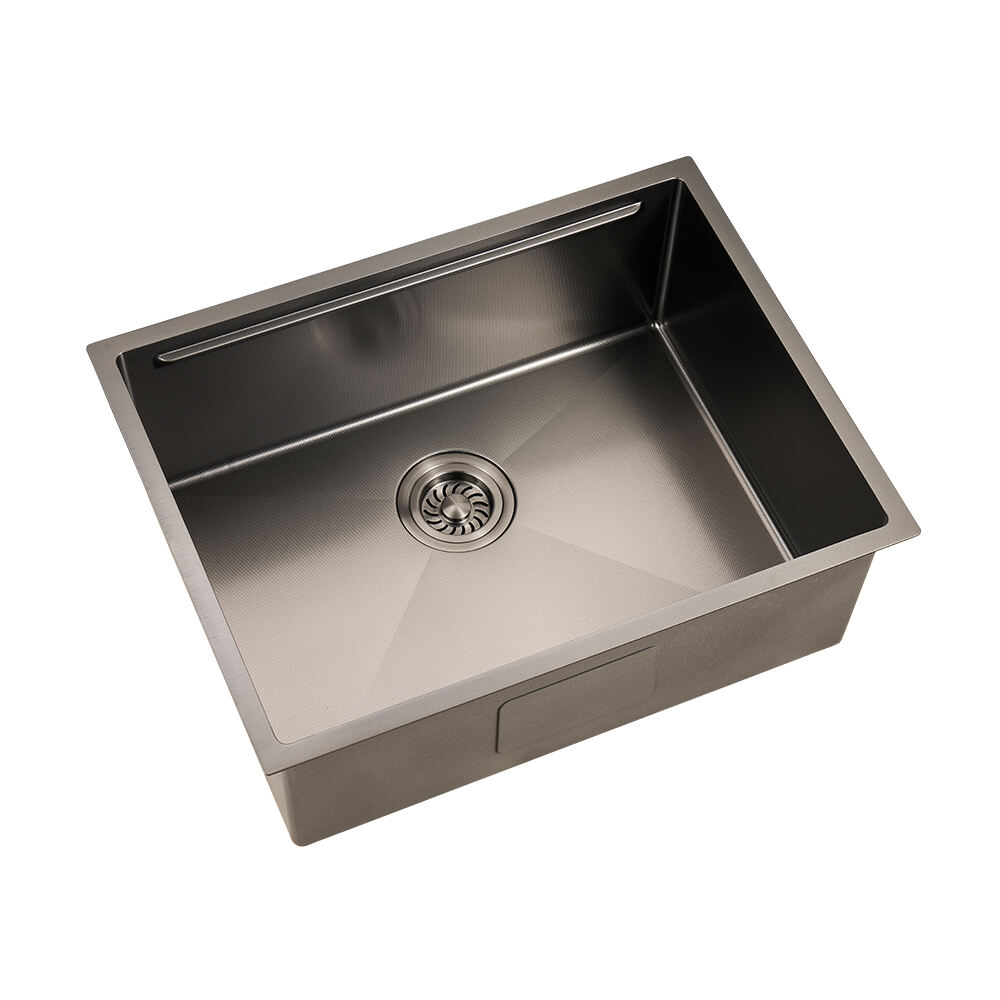
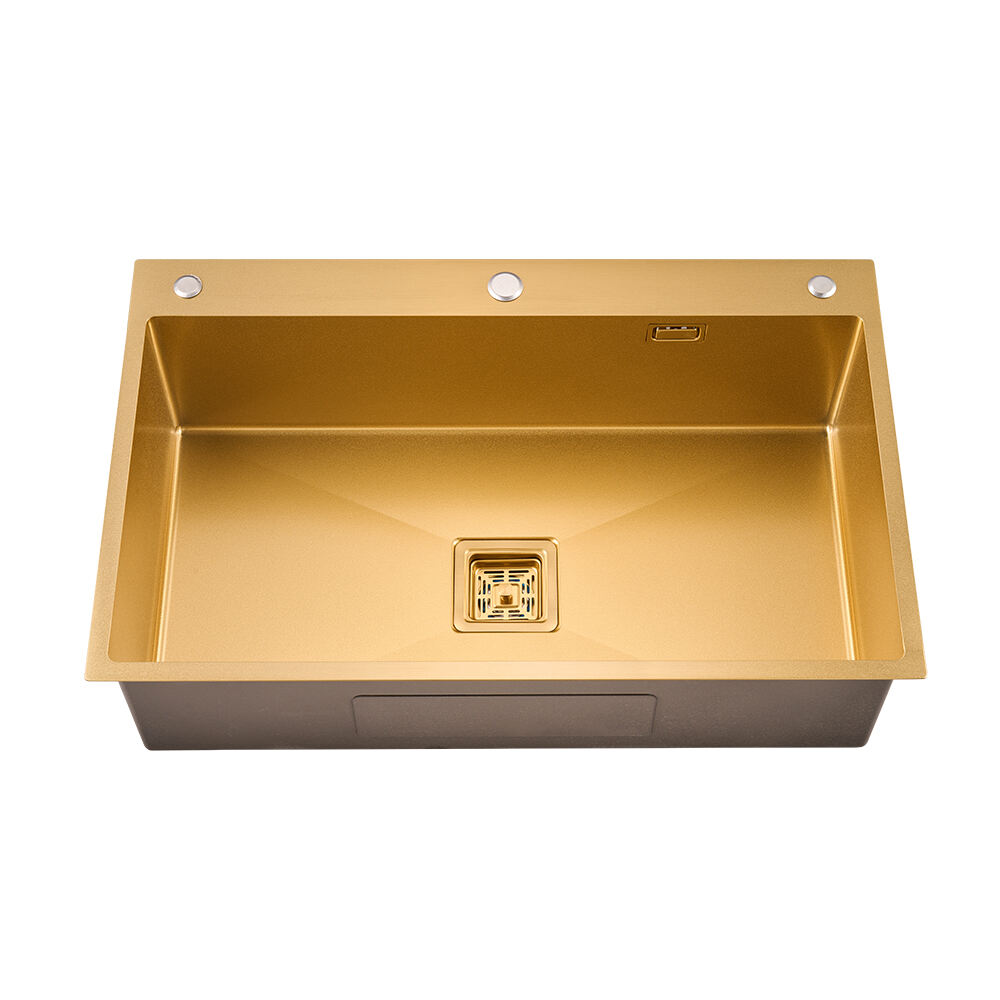
commercial double sink stainless steel
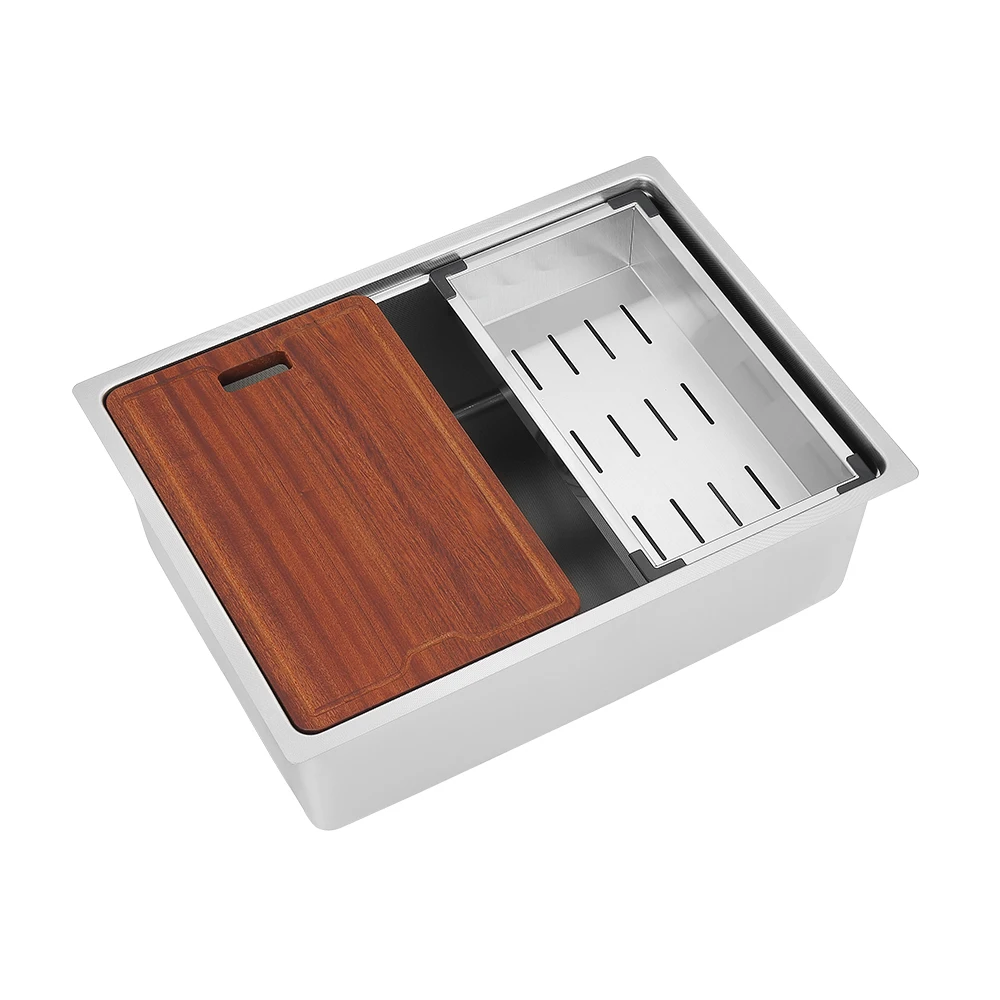
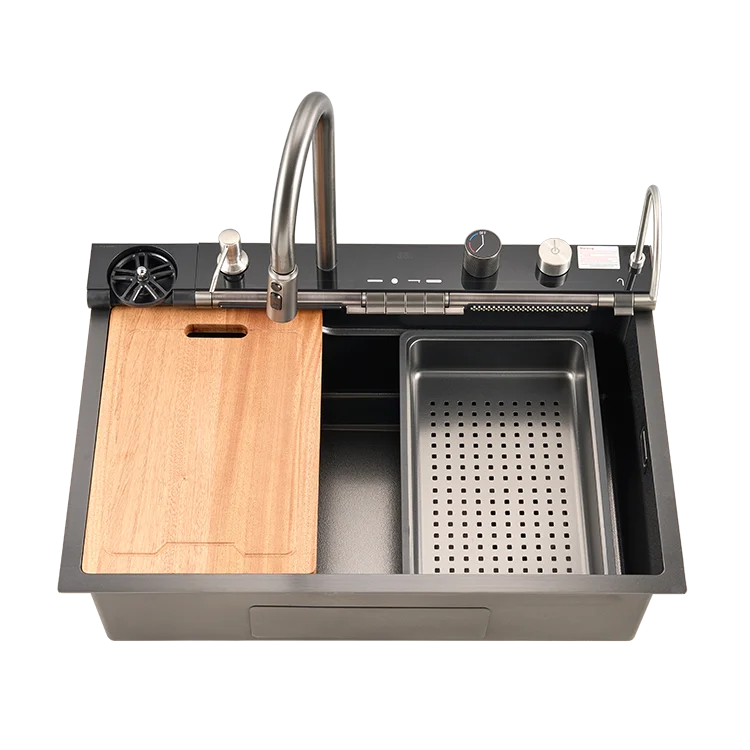
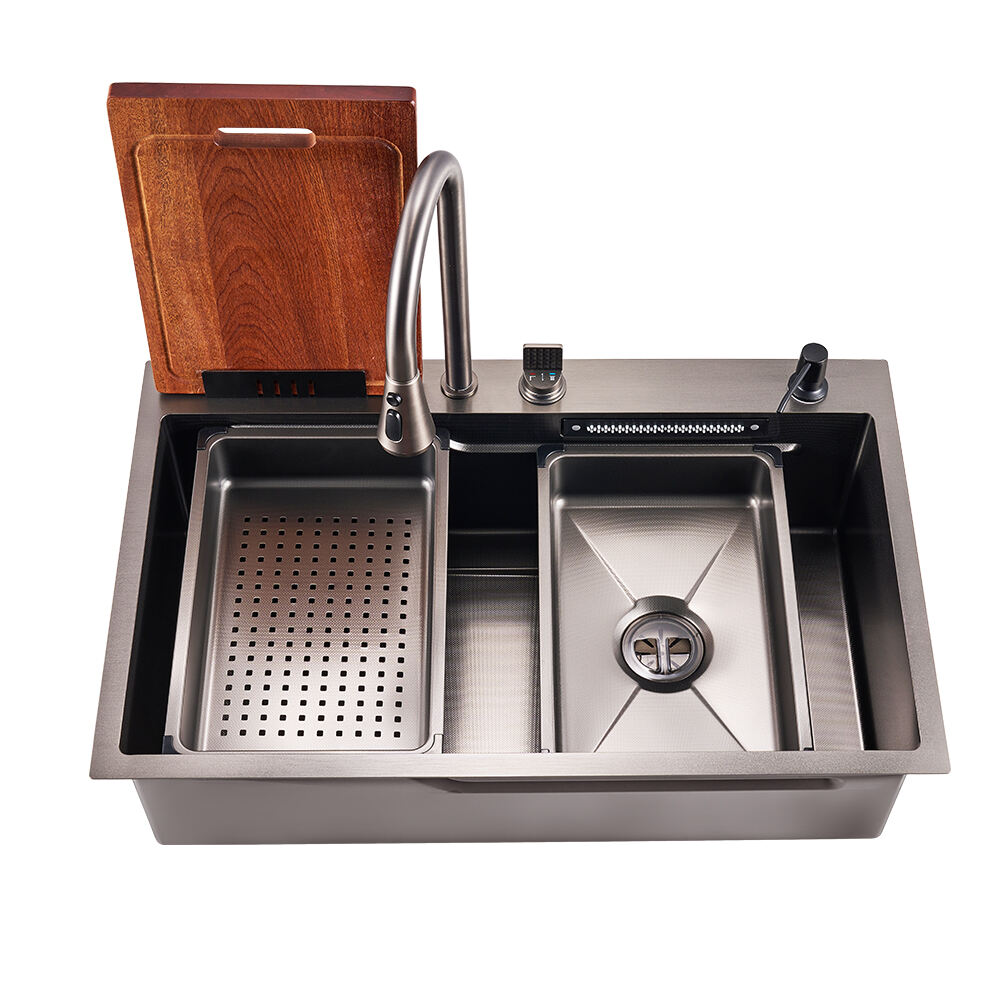
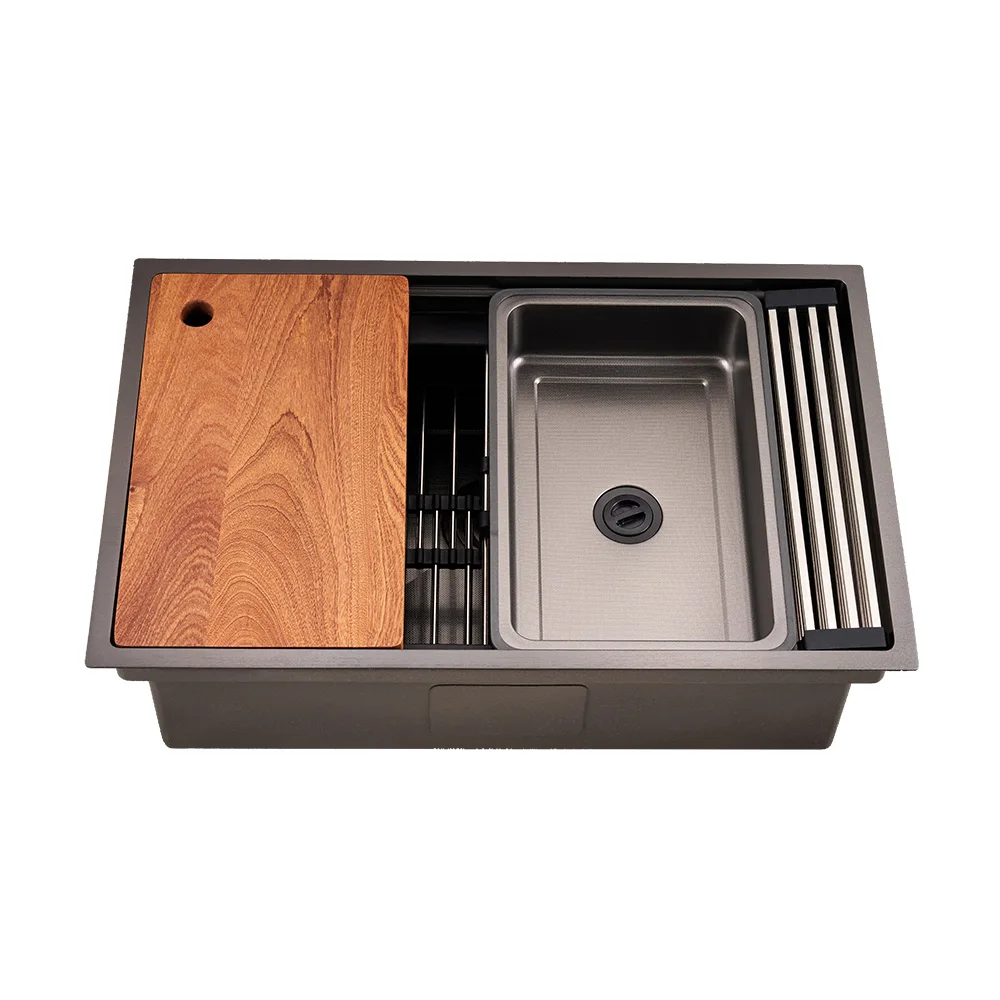
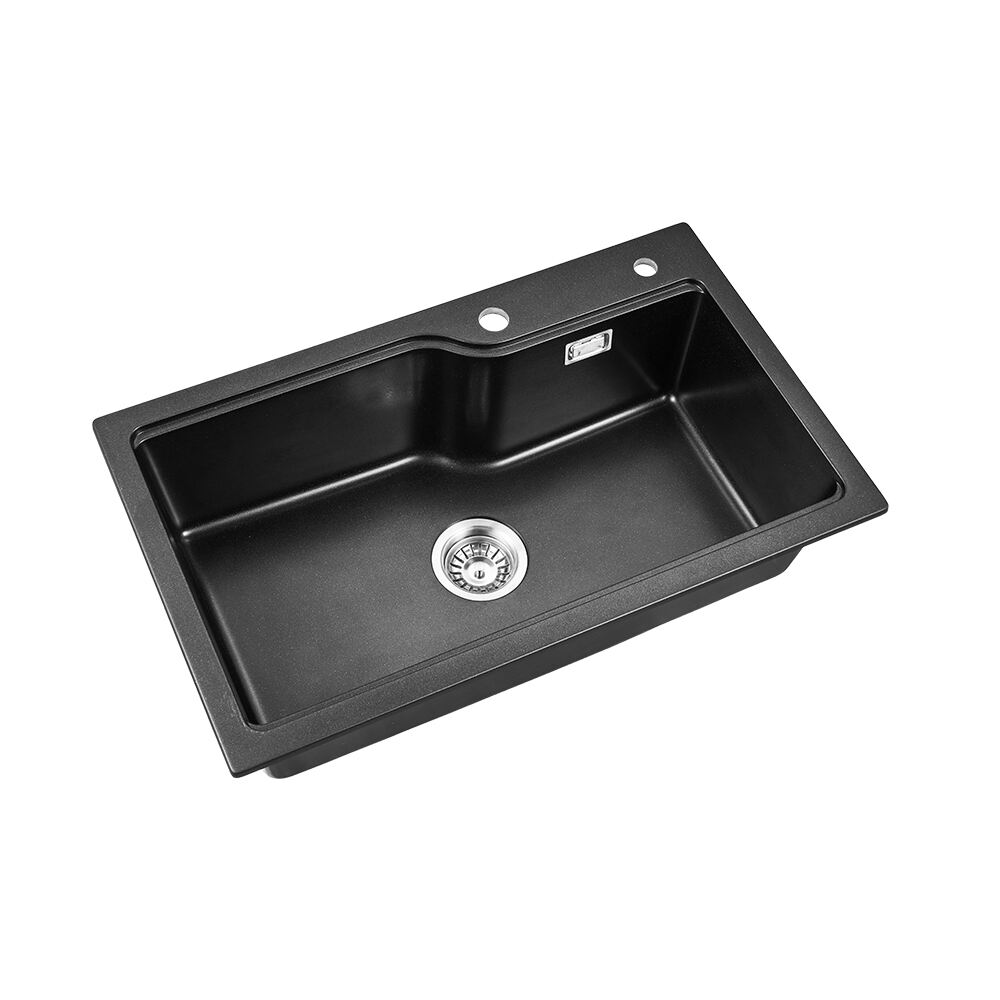
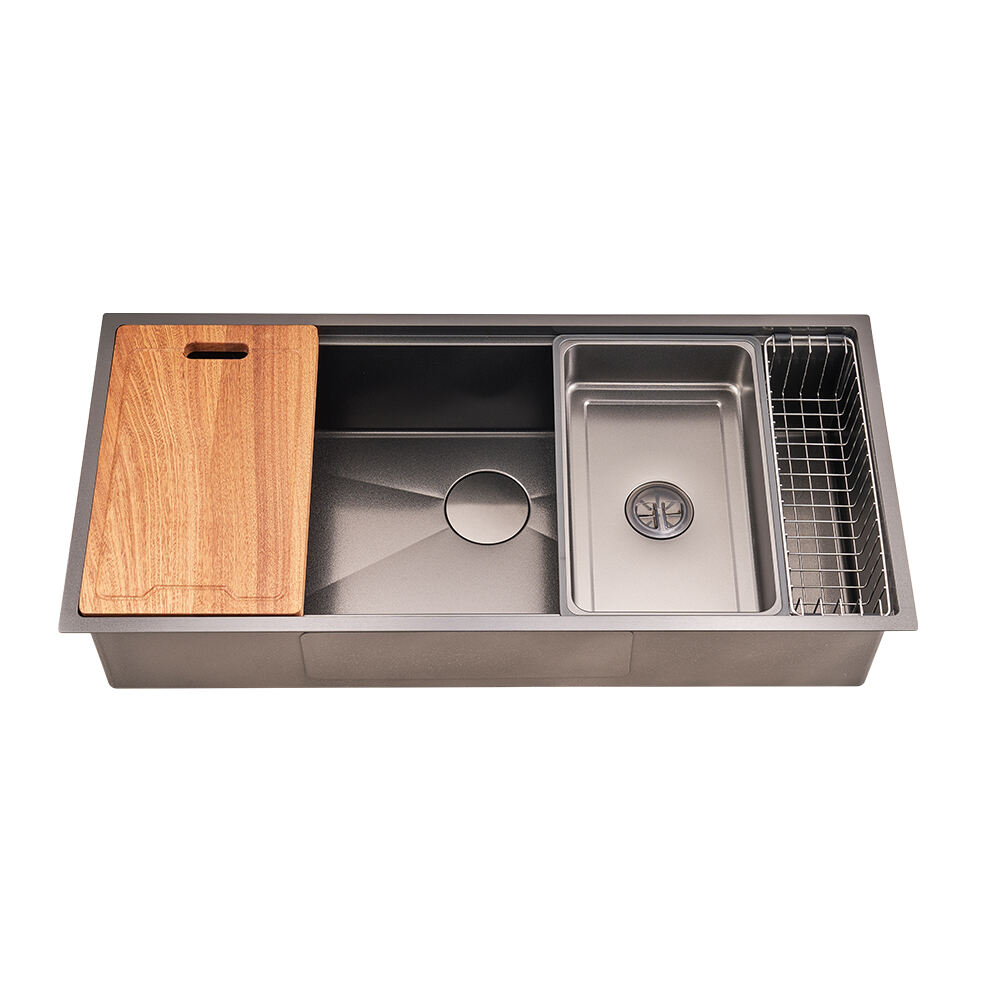
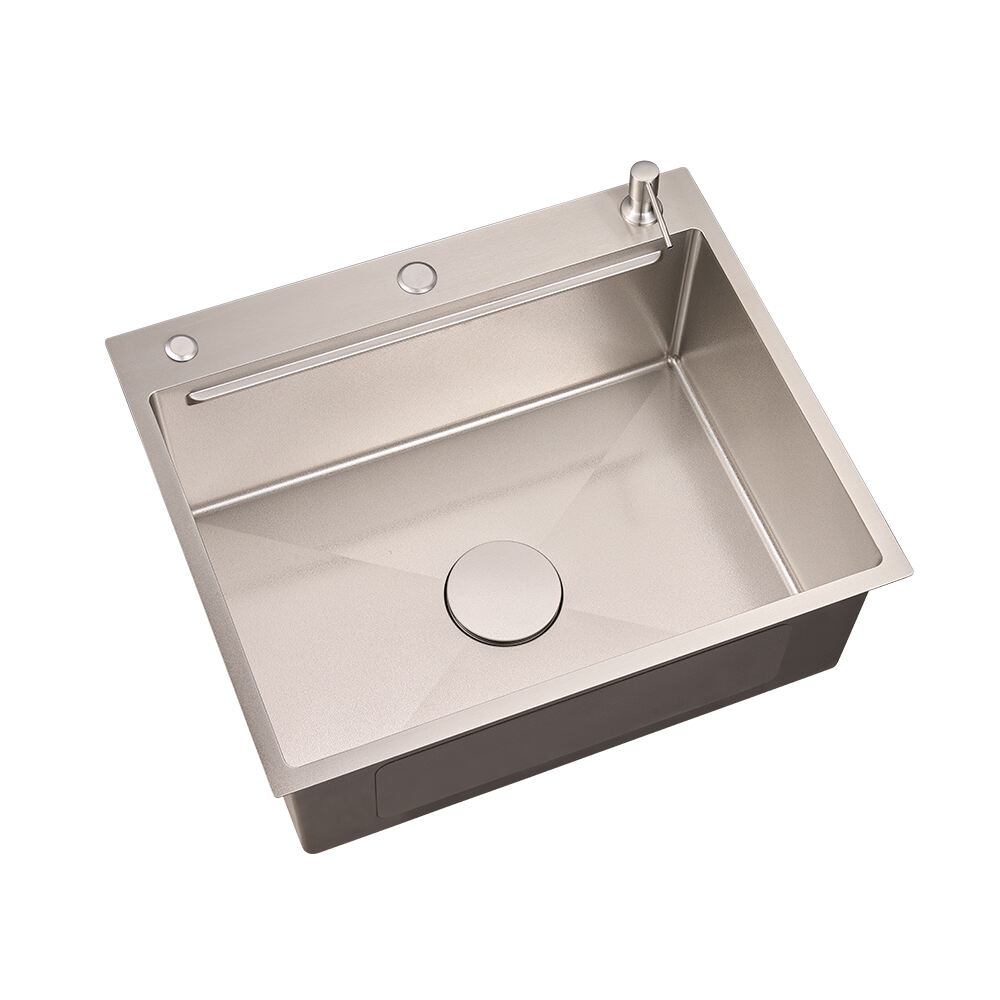
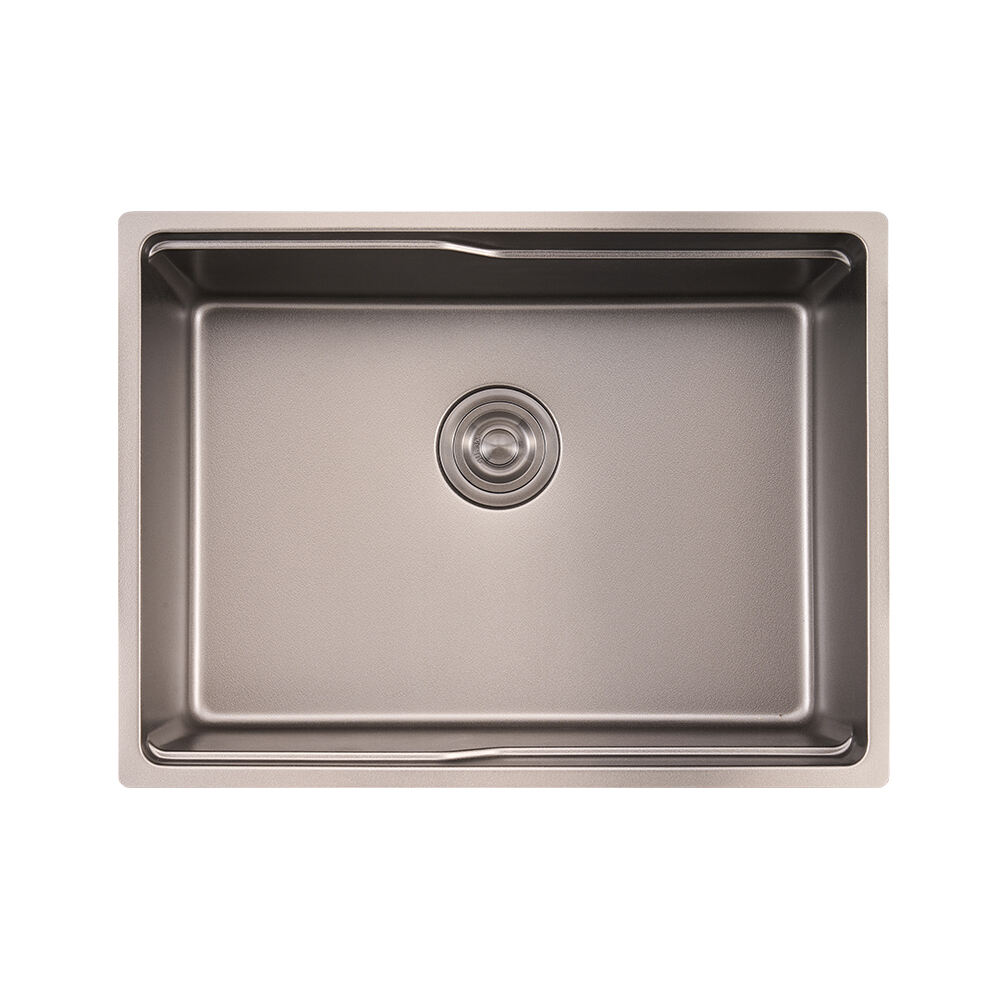
Commercial double sink stainless steel units represent the cornerstone of professional kitchen operations, delivering exceptional functionality and durability for high-volume food service establishments. These robust fixtures feature two separate compartments crafted from premium grade stainless steel, typically 304 or 316 series, ensuring superior resistance to corrosion, heat, and chemical damage. The dual-basin configuration enables simultaneous washing and rinsing operations, dramatically improving workflow efficiency in busy commercial environments. Each compartment maintains generous dimensions, typically ranging from 18 to 24 inches in length, width, and depth, accommodating large cookware, serving trays, and equipment components with ease. The commercial double sink stainless steel construction incorporates sound-deadening technology, featuring undercoating materials that minimize noise during operation, creating a more pleasant working environment for kitchen staff. Advanced drainage systems integrate seamlessly into each basin, featuring large-capacity waste outlets and optional pre-rinse spray attachments for enhanced cleaning capabilities. The raised backsplash design prevents water damage to surrounding walls while maintaining sanitary conditions throughout the workspace. Professional-grade faucet mounting provisions accommodate various commercial fixtures, from standard dual-handle units to sophisticated sensor-activated systems. The reinforced leg assembly provides unwavering stability, constructed from heavy-duty stainless steel tubing with adjustable leveling feet to ensure proper installation on uneven surfaces. Undershelf storage maximizes utility by providing convenient space for cleaning supplies, dish racks, or additional equipment. NSF certification guarantees compliance with strict health department regulations, making these units suitable for restaurants, cafeterias, hospitals, schools, and catering facilities. The seamless welded construction eliminates crevices where bacteria could potentially harbor, supporting rigorous sanitation protocols essential for food safety compliance.
 EN
EN