EN
EN


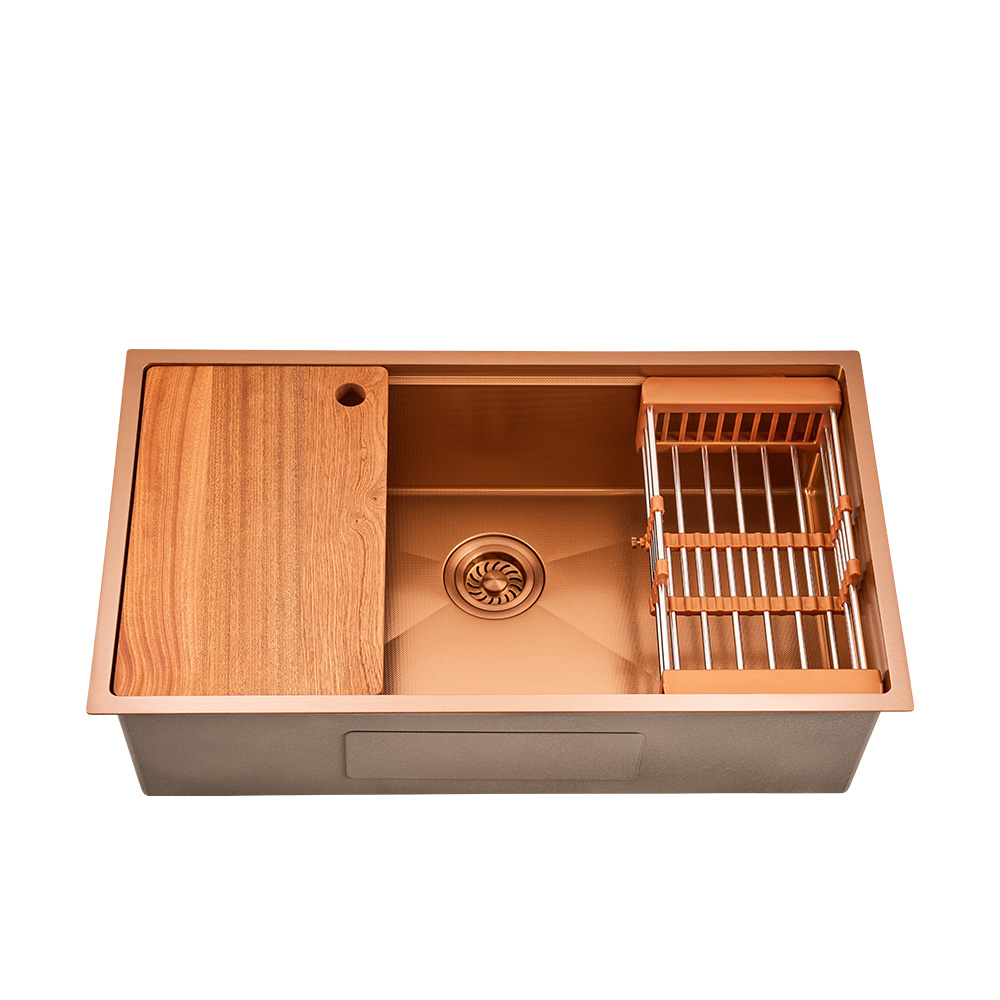
The longevity and functional reliability of a kitchen depend heavily on the interaction between kitchen sinks and drainage systems. While many homeowners focus on visible aesthetics during installation, the hidden relationship between sink design, material composition, drainage architecture, and plumbing infrastructure determines whether a kitchen maintains its performance over decades or requires costly interventions within just a few years. Understanding how kitchen sinks and drainage systems work together as an integrated unit rather than isolated components is essential for making informed decisions that protect both investment value and daily usability.

The connection between kitchen sinks and drainage extends far beyond simple water removal. Material compatibility, slope angles, trap design, vent positioning, and even the chemical composition of cleaning agents all contribute to a complex system where each element influences the degradation rate of others. Poor alignment between sink material properties and drainage system characteristics can accelerate corrosion, create persistent odor problems, encourage bacterial growth, and lead to structural failures that compromise surrounding cabinetry and flooring. This article examines the specific mechanisms through which kitchen sinks and drainage systems influence long term performance, providing actionable insights for property owners, facility managers, and design professionals seeking to optimize durability and minimize lifecycle costs.
Material Compatibility Between Kitchen Sinks and Drainage Infrastructure
Chemical Interaction Patterns in Different Material Pairings
The chemical interaction between kitchen sinks and drainage pipe materials creates electrochemical environments that either promote or resist corrosion over time. Stainless steel sinks paired with PVC drainage systems generally exhibit excellent long term compatibility because the passive chromium oxide layer on stainless steel remains stable in the pH range typically found in kitchen wastewater. However, when kitchen sinks and cast iron drainage pipes are combined, particularly in older buildings, galvanic corrosion can occur at connection points where dissimilar metals contact each other through conductive water films. This electrochemical process accelerates material degradation at rates significantly faster than would occur with either material in isolation.
Composite granite and quartz kitchen sinks and drainage systems demonstrate superior chemical resistance to acidic food waste, harsh detergents, and high temperature discharge compared to traditional porcelain or acrylic alternatives. The non-porous surface of composite materials prevents chemical absorption that gradually weakens structural integrity, while their thermal stability reduces thermal shock stress that can crack drainage connections during sudden temperature changes. Property owners who select kitchen sinks and drainage components based on material compatibility rather than cost alone typically experience service lives exceeding twenty years with minimal maintenance intervention, whereas incompatible pairings may require replacement within seven to ten years.
Thermal Expansion Coefficient Matching
Thermal expansion differentials between kitchen sinks and drainage fittings create mechanical stress cycles that accumulate over thousands of heating and cooling events. Metal sinks expand at rates determined by their specific thermal expansion coefficients, while plastic drainage pipes expand at significantly different rates. When boiling water is poured into a stainless steel sink connected to PVC drainage, the metal expands rapidly while the plastic responds more slowly, creating shear forces at gasket interfaces and threaded connections. Over years of repeated thermal cycling, these stress concentrations can compromise seal integrity, leading to slow leaks that damage surrounding structures before becoming visibly apparent.
Advanced kitchen sinks and drainage system designs incorporate flexible coupling mechanisms that accommodate thermal movement without transferring stress to rigid connection points. Expansion joints, flexible tail pieces, and compression gaskets with sufficient elastic range allow differential thermal expansion to occur without generating destructive forces. Installation specifications that account for thermal behavior differences between kitchen sinks and drainage materials typically include clearance allowances and mounting systems that permit controlled movement, substantially extending the operational lifespan of the entire assembly and preventing premature failure of seals and connections.
Surface Finish Impact on Biofilm Accumulation
The surface texture relationship between kitchen sinks and drainage pipe interiors directly influences biofilm formation rates, which affect both hygiene and flow capacity over time. Rough interior surfaces on drainage pipes provide increased surface area and microenvironment niches where bacterial colonies establish strongholds that resist normal flushing action. When kitchen sinks and drainage systems both feature smooth, non-porous surfaces, organic matter attachment is minimized, reducing the substrate available for biofilm development. Composite materials with polished finishes and precision-manufactured PVC or ABS drainage pipes maintain lower biofilm accumulation rates compared to rough-cast iron or corroded metal alternatives.
Biofilm accumulation in the transition zone where kitchen sinks and drainage pipes connect creates a progressive constriction effect that reduces effective pipe diameter and increases drainage resistance. This phenomenon is particularly problematic in installations where food waste particles regularly enter the drainage system without adequate pre-filtering. The gradual buildup not only slows drainage performance but also generates persistent odors as anaerobic bacteria metabolize trapped organic matter. Regular maintenance protocols that include enzymatic cleaners specifically formulated for kitchen sinks and drainage biofilm removal can extend service intervals and prevent the accelerated degradation associated with chronic microbial colonization.
Geometric Design Factors Governing Drainage Efficiency
Slope Optimization in Sink Bowl and Drain Line Configuration
The geometric relationship between kitchen sinks and drainage slope angles determines whether water and waste materials flow efficiently or accumulate in low spots that become fouling zones. Building codes typically specify minimum slope requirements for horizontal drainage runs, but the internal bowl geometry of kitchen sinks and the transition angle into the drain outlet create critical velocity zones that either promote or impede complete evacuation. Shallow bowl designs with gradual slopes toward the drain may appear aesthetically pleasing but often leave residual water films that evaporate slowly, leaving mineral deposits and organic residues that accumulate over time.
Properly engineered kitchen sinks and drainage systems incorporate bowl geometries with slopes exceeding three degrees toward the drain center, combined with drain line slopes meeting or exceeding the code-minimum quarter inch per foot horizontal run. This coordinated slope design ensures that gravitational forces consistently overcome surface tension and viscous drag forces, allowing complete drainage even with reduced water volumes from low-flow faucets. Installations that prioritize aesthetic considerations over functional geometry frequently experience standing water issues, accelerated staining, and increased cleaning maintenance requirements that compound over years of use.
Trap Configuration and Vent System Integration
The P-trap geometry connecting kitchen sinks and drainage mains serves multiple critical functions that directly impact long term system performance. Beyond providing a water seal that prevents sewer gas migration into living spaces, the trap design influences drainage velocity, particle transport efficiency, and the frequency of partial blockages. Standard P-traps maintain a water seal depth of approximately two inches, but variations in trap diameter, bend radius, and vertical drop distance all affect how effectively kitchen sinks and drainage systems handle both liquid and solid waste streams.
Vent system adequacy represents perhaps the most overlooked factor affecting how kitchen sinks and drainage assemblies perform over extended periods. Inadequate venting creates negative pressure conditions during drainage events, which can siphon water from trap seals, compromise drainage velocity, and cause gurgling sounds that indicate air-pressure imbalances. Properly vented kitchen sinks and drainage installations maintain atmospheric pressure throughout the drainage cycle, ensuring consistent flow rates and preventing the vacuum effects that can pull debris deeper into the system rather than allowing it to flush cleanly through to the main sewer line.
Strainer Basket Design and Particle Size Management
The filtration interface between kitchen sinks and drainage systems determines what particle sizes enter the piping network and how quickly organic accumulation occurs within drainage lines. Strainer basket perforation size, basket depth, and the ease of removal for cleaning all influence whether food particles are captured at the sink level or allowed to enter drainage pipes where they contribute to progressive clog formation. Kitchen sinks and strainer systems with perforation sizes below three millimeters effectively capture most problematic food particles while still allowing rapid water drainage, whereas larger perforation patterns permit particle passage that accelerates downstream accumulation.
The volumetric capacity of strainer baskets affects cleaning frequency requirements and user compliance with maintenance protocols. Deep basket designs that hold substantial debris volumes without overflowing encourage regular emptying, whereas shallow baskets that fill quickly often result in users simply removing the basket entirely, defeating its protective function. kitchen sinks and drainage systems that incorporate thoughtfully designed strainer baskets with adequate capacity and ergonomic removal mechanisms demonstrate significantly longer service intervals between professional cleaning interventions compared to installations with poorly designed or inadequately sized filtration components.
Water Chemistry and Its Cumulative Effects on System Durability
Hard Water Mineral Deposition Patterns
The mineral content of water supply directly influences how kitchen sinks and drainage systems age over decades of continuous use. Hard water containing elevated calcium and magnesium concentrations leaves mineral deposits on all wetted surfaces, with deposition rates accelerating in areas where water evaporates regularly. The basin surfaces of kitchen sinks and the upper portions of drainage pipes just below the sink outlet experience the highest concentration of mineral buildup, as water films evaporate and leave behind precipitated minerals. These deposits gradually restrict drainage openings, create rough surfaces that accelerate biofilm attachment, and in severe cases, can completely obstruct small-diameter connections.
Geographic regions with water hardness exceeding 180 milligrams per liter as calcium carbonate typically see kitchen sinks and drainage system degradation rates two to three times faster than areas with soft water supplies. Mineral scale accumulation not only affects drainage performance but also interacts chemically with cleaning agents, sometimes forming insoluble compounds that are more difficult to remove than the original deposits. Water softening systems, regular descaling maintenance protocols, and material selection favoring non-reactive surfaces all contribute to extending the functional lifespan of kitchen sinks and drainage assemblies in hard water environments.
pH Variations and Corrosion Acceleration
The pH characteristics of wastewater flowing through kitchen sinks and drainage pipes fluctuate dramatically depending on food preparation activities, cleaning product usage, and waste disposal patterns. Acidic substances from citrus fruits, vinegar-based dressings, and tomato products can lower pH values to 3.0 or below, while alkaline detergents and degreasers can elevate pH above 11.0. These pH extremes attack different materials through distinct chemical mechanisms—acids dissolve metal oxides and corrode ferrous materials, while alkalis can degrade certain plastics and attack soldered joints in copper drainage systems.
Kitchen sinks and drainage materials with broad pH tolerance ranges demonstrate superior long term durability in typical residential and commercial kitchen environments. Stainless steel grades 304 and 316 maintain structural integrity across pH ranges from 4 to 10, while high-density polyethylene and PVC drainage pipes resist both acidic and alkaline attack within normal kitchen wastewater pH boundaries. Installations combining pH-sensitive materials with extreme usage patterns—such as copper drainage pipes in commercial kitchens using strong acidic cleaners—often experience accelerated corrosion that manifests as pinhole leaks, joint failures, and premature system replacement requirements within ten to fifteen years rather than the thirty to fifty year lifespan achievable with properly matched materials.
Cleaning Agent Compatibility and Surface Degradation
The cumulative chemical exposure from cleaning products represents a significant but often underestimated factor in how kitchen sinks and drainage systems deteriorate over time. Chlorine bleach, ammonia-based cleaners, acidic descalers, and abrasive compounds all interact differently with various sink and pipe materials. Prolonged exposure to incompatible cleaning agents can degrade protective surface finishes, initiate micro-cracking in composite materials, and dissolve bonding agents in adhesive-joined drainage assemblies. Users who select cleaning products without considering compatibility with their specific kitchen sinks and drainage materials inadvertently accelerate system degradation.
Manufacturer specifications for kitchen sinks and drainage components typically include cleaning agent compatibility information, but this guidance is frequently ignored during routine maintenance. Abrasive cleaners used on polished stainless steel create microscopic scratches that increase surface roughness, promoting both staining and biofilm attachment. Strong acidic cleaners used in porcelain sinks can leach through micro-cracks and attack underlying metal drainage connections. Establishing cleaning protocols that match chemical formulations to material characteristics extends both the aesthetic appeal and functional performance of kitchen sinks and drainage systems, often doubling or tripling the interval before replacement becomes necessary due to appearance degradation or functional failure.
Installation Quality Impact on Operational Longevity
Alignment Precision and Joint Integrity
The precision of alignment between kitchen sinks and drainage pipe connections during installation establishes stress patterns that persist throughout the system's operational life. Misaligned connections create uneven load distribution across gaskets and compression fittings, leading to localized stress concentrations that accelerate seal degradation. When drain tailpieces connect to trap inlets at even slight angles off true vertical or horizontal alignment, the resulting mechanical stress cycles with each drainage event eventually compromise joint integrity. Professional installations that prioritize precise alignment typically maintain leak-free performance for fifteen to twenty years, whereas misaligned assemblies often develop leaks within five to seven years.
The relationship between kitchen sinks and structural support systems also influences long term performance through deflection and vibration patterns. Inadequately supported sinks that flex under load transfer cyclical stress to drainage connections, gradually loosening threaded joints and compressing gaskets beyond their elastic recovery range. Proper installation includes rigid mounting that prevents basin deflection, vibration isolation that dampens operational disturbances, and connection hardware appropriately sized for the specific combination of kitchen sinks and drainage materials being joined. These installation details, though invisible once the kitchen is completed, fundamentally determine whether the system maintains reliable performance or develops chronic problems requiring repeated service interventions.
Sealant Selection and Application Methodology
The sealant materials used at interfaces between kitchen sinks and drainage components must accommodate movement, resist chemical attack, and maintain adhesion across wide temperature ranges. Silicone-based sealants offer excellent flexibility and chemical resistance for perimeter sealing where sink rims meet countertop surfaces, while plumber's putty or specific drainage sealants serve better for connections between metal drain fittings and sink outlets. Mismatched sealant selection—such as using general-purpose silicone on threaded metal joints or petroleum-based putty on plastic components—can result in premature seal failure as chemical incompatibilities degrade bond strength or material integrity.
Application methodology affects sealant performance as significantly as material selection. Insufficient sealant creates incomplete seals with leak pathways, while excessive application can obstruct drainage passages or prevent proper joint compression. Professional installers recognize that kitchen sinks and drainage assemblies require specific sealant quantities and curing times based on material combinations and environmental conditions. Installations completed in high humidity environments or with insufficient curing time before water exposure often experience sealant failure within months, whereas properly executed sealing work maintains integrity for the full expected lifespan of the kitchen sinks and drainage system, typically fifteen to twenty years in residential applications and ten to fifteen years in commercial settings with heavier usage patterns.
Stress Relief and Expansion Accommodation
Professional installation practices for kitchen sinks and drainage systems incorporate stress relief mechanisms that accommodate thermal expansion, building settlement, and operational vibrations without transferring destructive forces to critical connection points. Flexible drainage connectors, expansion loops in long horizontal runs, and mounting systems that permit controlled movement all contribute to long term reliability. Rigid installations that constrain natural material movement experience accumulated stress that manifests as cracked sinks, fractured drainage pipes, and failed joint seals. The difference in performance outcomes between flexible and rigid installation approaches becomes increasingly apparent after five to ten years of service, when stress-induced failures begin appearing in constrained systems while properly designed installations continue operating without incident.
Building settlement and structural movement affect kitchen sinks and drainage connections particularly in new construction or renovated spaces where foundation stabilization remains incomplete. Drainage pipes that pass through multiple floors or connect to main stacks experience differential movement that can stress connections if adequate flexibility is not incorporated. Installation designs that anticipate structural movement through the use of flexible couplings, slip joints, and properly positioned support brackets maintain system integrity through settlement periods that might otherwise cause rigid kitchen sinks and drainage assemblies to develop leaks or complete connection failures requiring emergency repairs and water damage remediation.
Maintenance Protocols That Extend Service Life
Preventive Inspection Scheduling and Early Problem Detection
Systematic inspection protocols for kitchen sinks and drainage systems enable early detection of degradation patterns before they progress to failure conditions requiring emergency intervention. Visual inspection of exposed drainage connections, seal conditions, and surface corrosion should occur at six-month intervals in residential settings and quarterly in commercial kitchens with heavy usage. Early detection of mineral buildup, gasket compression, or developing corrosion allows corrective action through cleaning, adjustment, or component replacement while problems remain minor and inexpensive to address. Deferred maintenance approaches that ignore gradual degradation typically result in catastrophic failures requiring extensive repairs and collateral damage to surrounding structures.
Professional inspection services utilize diagnostic tools including drainage cameras, pressure testing equipment, and moisture meters to assess conditions within concealed portions of kitchen sinks and drainage systems not visible during casual observation. These comprehensive assessments reveal developing problems such as partial blockages, deteriorating pipe interiors, and hidden leaks that might not produce obvious symptoms until substantial damage has occurred. Property managers who invest in professional inspection services every two to three years typically experience total lifecycle costs thirty to forty percent lower than those who rely solely on reactive maintenance triggered by visible failures, as early intervention prevents the cascading damage patterns that dramatically increase repair scope and expense.
Enzymatic and Mechanical Cleaning Strategies
Regular maintenance cleaning of kitchen sinks and drainage systems using enzymatic formulations breaks down organic accumulations without the corrosive effects associated with strong chemical drain cleaners. Enzymatic products introduce beneficial bacteria that metabolize grease, food particles, and biofilm formations, gradually reducing buildup while remaining safe for all common drainage materials including plastic, metal, and composite components. Monthly application of enzymatic treatments maintains kitchen sinks and drainage systems in optimal flowing condition, preventing the progressive constriction that reduces drainage capacity and creates conditions favorable for complete blockages.
Mechanical cleaning through professional augering services addresses accumulated debris that enzymatic treatments cannot fully eliminate, particularly in systems with years of deferred maintenance. Professional drain cleaning for kitchen sinks and drainage lines should occur every three to five years in residential applications and annually in commercial settings. Mechanical cleaning removes hardened scale, lodged objects, and dense biofilm accumulations that restrict flow and create odor problems. When combined with appropriate chemical treatments and proper usage practices, mechanical cleaning extends the interval between major drainage system overhauls and prevents the premature replacement requirements associated with severely degraded pipes that have progressed beyond practical restoration through cleaning alone.
Component Replacement Timing and Preventive Upgrades
Strategic replacement of wear-prone components within kitchen sinks and drainage assemblies before complete failure occurs prevents emergency situations and reduces total lifecycle costs. Gaskets, flexible connectors, and trap seals typically require replacement every seven to ten years regardless of visible condition, as material degradation occurs through chemical exposure and compression set even when leaks have not yet developed. Proactive replacement during planned maintenance windows costs significantly less than emergency repairs triggered by unexpected failures, particularly when water damage to surrounding structures is considered in total cost calculations.
Upgrading older components when kitchen sinks and drainage systems undergo partial maintenance provides opportunities to incorporate improved materials and designs that extend subsequent service intervals. Replacing basic plastic P-traps with heavy-wall or metal alternatives during routine maintenance upgrades system durability. Similarly, upgrading from builder-grade strainer baskets to commercial-quality filtration components improves particle capture and reduces downstream accumulation. These incremental upgrades during normal maintenance cycles gradually transform kitchen sinks and drainage systems from minimum-specification assemblies into premium installations with substantially extended service lives and reduced long term maintenance burdens.
FAQ
What is the typical lifespan of kitchen sinks and drainage systems in residential applications?
The expected service life of kitchen sinks and drainage systems varies substantially based on material quality, installation precision, water chemistry, and maintenance consistency. High-quality stainless steel or composite sinks with properly installed PVC or ABS drainage typically achieve twenty to thirty years of reliable service in residential settings with normal usage patterns. However, installations using economy-grade materials, areas with aggressive water chemistry, or properties with deferred maintenance may require replacement within ten to fifteen years. Commercial kitchen applications experience accelerated wear due to higher temperatures, greater chemical exposure, and increased usage frequency, typically requiring system evaluation and potential replacement after ten to fifteen years of operation.
How does sink material choice specifically affect drainage system longevity beyond the sink itself?
Sink material selection influences drainage system durability through thermal cycling patterns, chemical discharge characteristics, and the physical properties of wastewater entering drainage pipes. Cast iron and heavy composite sinks moderate water temperature changes through thermal mass, reducing thermal shock stress on plastic drainage components compared to thin stainless steel that transfers heat rapidly. Material surface chemistry affects the pH and chemical composition of rinse water entering drains—certain sink materials buffer acidic or alkaline substances, protecting downstream pipes from corrosive exposure. Additionally, sink surface hardness and finish quality influence the particle size distribution of abrasive materials washed into drainage systems, with harder surfaces producing finer particles that flush more readily than the coarser debris generated by softer materials that erode more readily during normal use.
What early warning signs indicate developing problems in kitchen sinks and drainage connections?
Several observable indicators suggest developing problems in kitchen sinks and drainage assemblies before complete failures occur. Gradually slowing drainage rates indicate progressive blockage development or partial obstruction that will worsen without intervention. Persistent odors emanating from the drain opening suggest biofilm accumulation, inadequate trap sealing, or venting deficiencies that allow sewer gases to escape. Visible water stains or mineral deposits on exposed drainage connections indicate current or previous leaks that require investigation. Unusual sounds during drainage including gurgling, bubbling, or sucking noises point to venting problems or partial blockages creating pressure imbalances. Any of these warning signs warrants prompt professional evaluation to address underlying problems before they progress to emergency failure conditions requiring extensive repairs and potential water damage remediation.
Can upgrading only the sink while retaining existing drainage infrastructure cause compatibility problems?
Replacing kitchen sinks while retaining existing drainage infrastructure frequently creates compatibility challenges that compromise both performance and longevity. New sinks often feature different drain outlet positions, requiring modifications to drainage connections that may introduce alignment problems or inadequate sealing. Modern sink designs may discharge water at different flow rates or temperatures than older units, potentially exceeding the capacity of undersized existing drainage pipes or introducing thermal stress patterns the original installation was not designed to accommodate. Material incompatibilities between new sink components and aged drainage fittings can create galvanic corrosion conditions or chemical interactions that accelerate degradation. Professional assessment before sink replacement should evaluate whether existing drainage infrastructure can adequately serve the new fixture or whether coordinated upgrades to both kitchen sinks and drainage components will provide better long term performance and value.
Table of Contents
- Material Compatibility Between Kitchen Sinks and Drainage Infrastructure
- Geometric Design Factors Governing Drainage Efficiency
- Water Chemistry and Its Cumulative Effects on System Durability
- Installation Quality Impact on Operational Longevity
- Maintenance Protocols That Extend Service Life
-
FAQ
- What is the typical lifespan of kitchen sinks and drainage systems in residential applications?
- How does sink material choice specifically affect drainage system longevity beyond the sink itself?
- What early warning signs indicate developing problems in kitchen sinks and drainage connections?
- Can upgrading only the sink while retaining existing drainage infrastructure cause compatibility problems?