EN
EN


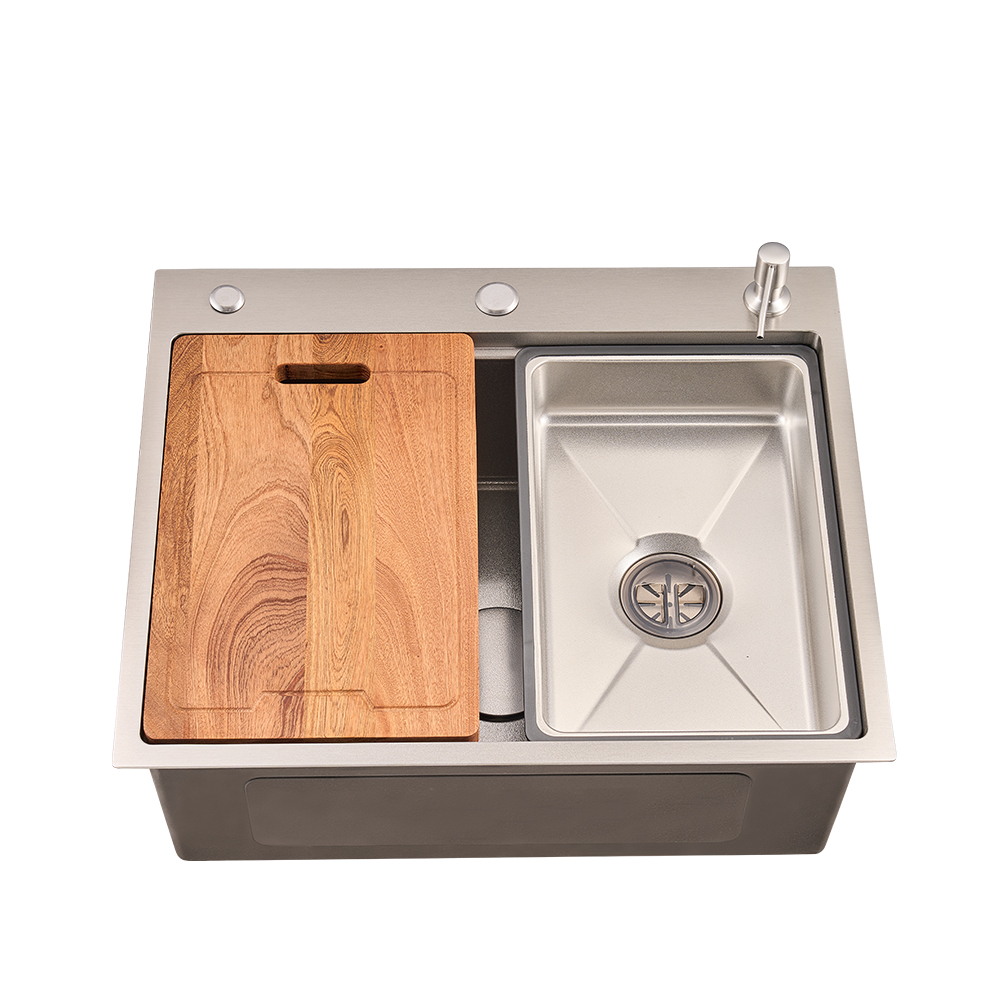
The relationship between kitchen sinks and installation methods remains one of the most underestimated factors influencing overall kitchen efficiency. While homeowners and designers often focus on aesthetic appeal or brand reputation, the technical pairing of sink design with proper installation techniques directly determines workflow productivity, water management effectiveness, maintenance accessibility, and long-term durability. Understanding why kitchen sinks and their installation methods create such profound operational impacts requires examining the physical, functional, and practical dimensions that emerge when these two elements interact in real-world kitchen environments.
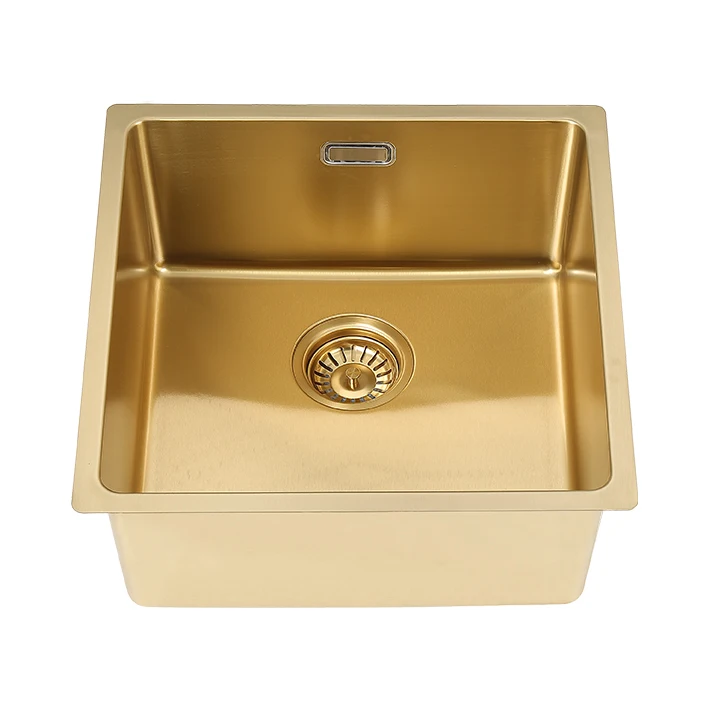
Commercial kitchens, residential renovations, and industrial food preparation spaces all share a common challenge: the sink assembly must perform reliably under varying usage intensities while supporting efficient task execution. The installation method chosen—whether undermount, top-mount, flush-mount, or integrated—fundamentally alters how water flows, how users interact with the workspace, how cleaning occurs, and how structural loads transfer to cabinetry. When kitchen sinks and installation approaches mismatch, efficiency losses compound through wasted motion, water pooling, cleaning difficulties, and premature failure. This article explores the specific mechanisms through which sink-installation pairing influences efficiency outcomes and provides actionable insight for decision-makers seeking optimal performance.
How Physical Installation Methods Alter Workspace Geometry and Task Flow
Installation Type and Counter-to-Basin Transition Dynamics
The physical relationship between countertop surface and sink basin edge creates the primary interface where efficiency gains or losses manifest. Undermount installations position the sink basin below the counter plane, eliminating the raised rim that characterizes top-mount designs. This geometric difference allows users to sweep water, food debris, and cleaning residue directly from counter into basin without encountering a physical barrier. In commercial settings where prep work generates continuous waste material, this seamless transition reduces motion cycles by approximately thirty percent compared to top-mount configurations that require deliberate lifting or scooping motions to clear the rim edge.
Top-mount kitchen sinks and their raised rim installations create a containment edge that prevents spills from migrating onto adjacent counters, offering efficiency advantages in scenarios involving large-volume liquid handling or vigorous mixing operations. However, the same rim becomes an obstruction during cleaning operations, trapping residue along the gasket line and requiring additional wiping motions to maintain hygiene standards. The choice between these installation geometries directly correlates with task type frequency: facilities emphasizing quick cleanup favor undermount methods, while those prioritizing spill containment during active food preparation may accept the cleaning trade-off inherent in top-mount designs.
Load Transfer Pathways and Structural Efficiency
Installation methods determine how operational loads transfer from sink basin through mounting hardware into supporting cabinetry. Undermount kitchen sinks and their bracket-based installation systems distribute weight across multiple attachment points beneath the counter substrate, creating tensile stress patterns that demand adequate countertop thickness and material strength. When properly executed with epoxy bonding and mechanical fasteners, this approach delivers superior long-term stability but requires precise installer expertise to prevent delamination or bracket failure under sustained load conditions.
Drop-in or top-mount installations rest the sink flange directly on the counter cutout edge, transferring loads through compression rather than tension. This simpler load pathway reduces installation complexity and material requirements but concentrates stress at the rim contact zone. Over time, inconsistent support or inadequate sealant application allows micro-movement that degrades the gasket seal, permitting water infiltration into cabinetry substrates. The efficiency impact manifests through unplanned maintenance cycles, cabinet replacement costs, and operational disruptions during repair periods. Selecting kitchen sinks and installation methods that align load characteristics with cabinet structural capacity prevents these cascading efficiency losses.
Water Management and Drainage Efficiency Variables
Installation height relative to drain plumbing significantly affects drainage velocity and clog resistance. Undermount kitchen sinks and their below-counter positioning naturally create steeper drain angles when plumbing remains at standard elevations, improving gravitational flow rates and reducing standing water dwell time. This geometric advantage translates to fewer slow-drain incidents and lower chemical treatment requirements, particularly in high-volume commercial applications where particulate loads challenge drainage systems.
Conversely, flush-mount installations that align the sink rim precisely with countertop height often require customized plumbing drops to maintain adequate drainage pitch. When installers compromise on slope to accommodate existing pipe runs, water evacuation slows, creating efficiency penalties through extended task completion times and increased odor risk from standing water decomposition. The interaction between kitchen sinks and installation-driven drainage geometry exemplifies how installation decisions propagate effects far beyond the immediate fixture assembly.
Why Material-Installation Compatibility Determines Longevity and Maintenance Efficiency
Thermal Expansion Coefficient Matching Requirements
Stainless steel kitchen sinks and granite countertops expand at different rates when exposed to temperature fluctuations common in active kitchens. Undermount installations using rigid epoxy bonds without accommodation for differential expansion create internal stress concentrations that manifest as bond-line cracks or countertop fractures near mounting zones. These failures require complete reinstallation, generating downtime costs that dwarf initial installation expenses. Efficiency-focused specifications incorporate flexible sealants and mechanical fasteners that permit micro-movement while maintaining water-tight integrity.
Composite sink materials paired with laminate counters exhibit closer thermal expansion compatibility, reducing stress accumulation regardless of installation method. However, the softer substrate materials demand distributed load application to prevent localized compression damage. Top-mount kitchen sinks and their broad flange contact area naturally distribute loads across larger surface areas compared to undermount point-load brackets, making them more suitable for laminate applications where substrate strength limitations govern installation method selection. Material science fundamentals thus directly constrain which installation approaches deliver sustained efficiency.
Moisture Barrier Integrity and Long-Term Performance
The seam between sink and counter represents the most vulnerable point for moisture infiltration into cabinetry. Undermount kitchen sinks and their upward-facing seal joints challenge installers to create gravity-defying water barriers using silicone or polyurethane adhesives. When application technique proves inadequate—insufficient bead thickness, incomplete coverage, or premature curing—water migrates through microscopic gaps during normal use, saturating cabinet boxes and promoting mold growth that compromises indoor air quality and structural integrity.
Top-mount installations position the seal joint in a downward-facing orientation where gravity assists water-tight performance, reducing sensitivity to installer technique variation. This forgiving geometry contributes to higher first-time installation success rates and lower callback frequency for seal-related issues. The cumulative efficiency impact over a ten-year service life becomes substantial when comparing maintenance intervention requirements between installation types. Facility managers evaluating kitchen sinks and installation options must weigh upfront installation difficulty against lifecycle maintenance burden to optimize total cost of ownership.
Accessibility for Repair and Component Replacement
Drain assembly replacement, basket strainer servicing, and garbage disposal connection maintenance all require access to the underside of the sink basin. Top-mount kitchen sinks and their simple drop-in installation allow complete fixture removal by loosening clips and cutting the sealant bead, providing unrestricted access to all components. Technicians complete repairs rapidly with minimal specialized tools, reducing labor costs and operational downtime during maintenance events.
Undermount configurations bond the sink to the counter substrate using permanent adhesives and mechanical fasteners designed for decades-long service. While this rigidity enhances daily operational stability, it severely complicates repair access. Plumbers working beneath undermount kitchen sinks and their constrained mounting zones struggle with limited wrench clearance and awkward angle approaches that extend repair duration and increase labor billing. In commercial environments where time-based efficiency directly impacts revenue generation, this maintenance accessibility difference influences total operational efficiency calculations.
The Role of Installation Precision in Achieving Design Performance Specifications
Alignment Tolerances and Functional Consequences
Manufacturer performance specifications for kitchen sinks and drainage systems assume proper installation alignment within documented tolerance ranges. When installers deviate from specified positioning—even by millimeters—functional compromises emerge. A sink basin installed with forward tilt creates standing water at the rear perimeter, promoting bacterial growth and requiring additional cleaning cycles to maintain sanitation standards. Conversely, rearward tilt concentrates water flow away from the drain opening, increasing splash during filling operations and reducing drainage efficiency.
Precision installation requires verification equipment beyond basic carpentry tools. Digital levels, laser alignment guides, and calibrated measurement instruments ensure kitchen sinks and their mounting systems achieve the manufacturer-intended geometry. Professional installers incorporating these verification steps deliver measurably superior efficiency outcomes compared to installations relying on visual approximation or basic bubble levels. The incremental cost of precision installation tools represents a minor fraction of the efficiency value gained through proper alignment over the fixture's service life.
Countertop Cutout Accuracy and Edge Condition Management
The dimensional accuracy of the countertop cutout directly determines how effectively the installation method can achieve its design intent. Undersized cutouts prevent proper basin seating, forcing installers to enlarge openings in the field with tools that may damage edge finish or create irregular geometries. Oversized cutouts reduce support contact area for top-mount kitchen sinks and create excessive gap widths that challenge sealant bridging capability. Either deviation from specification compromises efficiency through increased installation time, material waste, or degraded long-term performance.
Edge condition quality also influences installation outcomes. Countertop materials with chipped, fractured, or poorly finished cutout edges provide inadequate bonding surfaces for undermount adhesives and create stress concentration points that propagate cracks under operational loads. Professional fabricators using diamond-tooling and controlled feed rates produce edge conditions that support maximum installation efficiency. The interdependency between countertop fabrication quality and achievable installation performance illustrates why kitchen sinks and installation success requires coordinated execution across multiple trades.
Fastener Selection and Torque Specification Adherence
Mechanical fasteners securing undermount kitchen sinks and bracket assemblies must achieve specific torque values to generate adequate clamping force without crushing substrate materials or stripping threads. Under-torqued fasteners allow micro-movement that fatigues sealant bonds and creates noise during sink usage. Over-torqued fasteners fracture countertop materials or deform mounting brackets, immediately compromising installation integrity. Achieving the narrow acceptable torque range requires calibrated tools and installer training that many residential installation teams lack.
The efficiency consequence of improper fastener torque manifests gradually through premature seal failure, bracket loosening, and ultimately complete installation failure requiring emergency reinstallation. Commercial facilities tracking maintenance costs identify fastener-related failures as significant contributors to unplanned repair expenses. Specifying kitchen sinks and installation procedures that mandate torque verification addresses this failure mode proactively, protecting long-term operational efficiency.
Installation Method Influence on Cleaning Efficiency and Sanitation Maintenance
Surface Transition Simplicity and Wipe-Down Time Requirements
Commercial kitchen efficiency standards emphasize rapid sanitation between food preparation tasks to prevent cross-contamination. Undermount kitchen sinks and their seamless counter transitions enable single-motion cleaning strokes that sweep debris directly into the basin without interruption. Time-motion studies in professional kitchens document twenty to thirty second reductions in counter cleaning cycles when undermount installations replace top-mount configurations. Across hundreds of daily cleaning events, these seconds accumulate to hours of recovered productive time monthly.
Healthcare facility kitchens and food service operations under regulatory sanitation oversight particularly value this cleaning efficiency advantage. Inspection protocols penalize visible debris accumulation along sink rim gaskets—a chronic challenge with top-mount installations where the raised edge traps particulates and moisture. The installation method choice directly influences regulatory compliance outcomes and associated administrative burden. Organizations prioritizing sanitation efficiency incorporate installation method specifications into facility design standards rather than treating them as contractor discretion items.
Crevice Elimination and Bacterial Harborage Prevention
The junction between sink and counter creates potential bacterial harborage sites wherever gaps, seams, or porous materials exist. Top-mount kitchen sinks and their compression gaskets eventually degrade under thermal cycling and chemical exposure, developing microscopic channels where moisture and organic material accumulate beyond reach of routine cleaning. These hidden contamination zones compromise food safety despite surface-level cleanliness and require periodic gasket replacement to maintain sanitation integrity.
Properly executed undermount installations using continuous silicone beads eliminate the gasket interface entirely, creating a monolithic sealed boundary less vulnerable to bacterial colonization. However, this advantage depends absolutely on skilled application technique—incomplete bead coverage or poor surface preparation creates hidden voids functionally equivalent to failed gaskets. The relationship between kitchen sinks and installation quality thus extends beyond mechanical performance into microbiological safety domains critical for food service operations.
Drainage Basin Accessibility and Residue Removal Efficiency
Deep basin kitchen sinks and undermount installations position the basin floor farther below the user's natural reach compared to shallower top-mount configurations. This geometry increases the effort required to manually scrub basin surfaces and remove adhered residues, particularly for shorter users or those with mobility limitations. Commercial operations balancing cleaning thoroughness against labor time may find that accessible basin positioning outweighs other efficiency factors when worker ergonomics constraints govern task completion rates.
Conversely, the open rim access provided by undermount installations facilitates tool entry for mechanical cleaning devices and spray hose operation. Professional cleaning equipment achieves superior coverage and residue removal when physical barriers do not obstruct nozzle positioning. Industrial kitchens employing mechanized cleaning protocols favor installation methods that maximize equipment access even when manual cleaning becomes slightly more challenging. These trade-offs demonstrate why optimal kitchen sinks and installation pairings vary with operational context rather than following universal best practices.
Economic Efficiency Implications Across Installation Lifecycle Phases
Initial Installation Cost Structures and Hidden Expense Factors
Surface-level cost comparisons between installation methods often overlook secondary expense categories that substantially alter total project costs. Undermount kitchen sinks and their installation requirements demand thicker countertop substrates—typically thirty millimeters minimum versus twenty millimeters for top-mount applications—increasing material costs before labor considerations. Specialized adhesives, mechanical bracket systems, and extended curing time before the sink becomes usable add incremental expenses that may exceed the fixture cost differential between installation types.
Top-mount installations appear economically favorable in initial cost accounting but may generate offsetting expenses through higher maintenance frequency and shorter effective service life. Facility financial models incorporating lifecycle cost analysis often reveal that premium installation methods deliver superior return on investment despite higher upfront expenditure. Decision-makers evaluating kitchen sinks and installation options benefit from ten-year total cost projections rather than first-cost minimization strategies that optimize wrong metrics.
Operational Downtime Costs During Installation and Repair Events
Kitchen unavailability during installation or repair generates opportunity costs proportional to facility utilization intensity. Residential kitchen renovations inconvenience homeowners but rarely create quantifiable economic losses. Commercial restaurant kitchens losing meal service capacity during sink replacement incur direct revenue losses of thousands of dollars per day alongside reputational damage from service interruptions. Installation method selection must account for these context-specific downtime costs rather than treating all applications equivalently.
Quick-change installation methods using mechanical fasteners without adhesive cure times enable faster replacement cycles when equipment failure occurs. Commercial operators managing multiple locations increasingly specify installation approaches that minimize emergency repair duration even when initial installation complexity increases. The efficiency calculation incorporates operational continuity value alongside traditional performance metrics, recognizing that kitchen sinks and their installation systems serve business continuity functions beyond basic utility provision.
Residual Value and Disposal Cost Considerations
End-of-life disposal costs vary significantly between installation types based on disassembly complexity and material recovery potential. Undermount kitchen sinks and permanently bonded installations require destructive removal that damages both fixture and countertop, eliminating resale value and increasing disposal volume. Demolition contractors charge premium rates for countertop extraction work compared to simple fixture removal, adding hundreds of dollars to renovation project costs.
Top-mount configurations support non-destructive removal that preserves fixtures for reuse or resale in secondary markets. Stainless steel sinks retain significant scrap metal value when removed intact, partially offsetting disposal costs through recycling revenue. Sustainability-focused organizations incorporate end-of-life efficiency into initial specification decisions, recognizing that installation method choices made during construction influence environmental and economic outcomes decades later. Comprehensive efficiency analysis spans entire lifecycle phases rather than focusing narrowly on operational period performance.
FAQ
What determines whether undermount or top-mount installation provides better efficiency for my kitchen?
The optimal installation method depends on your specific usage patterns and priorities. Undermount installations excel in scenarios emphasizing quick cleanup and seamless aesthetics, particularly for countertop materials with adequate thickness and strength. Top-mount configurations offer advantages in spill containment during active prep work, easier future repairs, and compatibility with broader countertop material ranges. Commercial high-volume kitchens typically favor undermount for sanitation efficiency, while residential applications may prioritize the accessibility and cost-effectiveness of top-mount designs. Evaluate your cleaning frequency, typical task types, countertop material capabilities, and maintenance access requirements to determine which installation approach aligns with your efficiency priorities.
How does installation quality affect the long-term performance of kitchen sinks and drainage systems?
Installation precision directly determines whether kitchen sinks and their associated systems achieve manufacturer-specified performance throughout their intended service life. Poor alignment creates drainage inefficiencies through standing water accumulation and increased clog susceptibility. Inadequate sealant application permits moisture infiltration that damages cabinetry and creates hidden mold growth. Improper fastener torque leads to premature bracket failure or countertop cracking. These installation defects compound over time, generating maintenance costs that far exceed any savings from rushed or budget installation approaches. Professional installation following documented procedures and using appropriate verification tools protects your efficiency investment by ensuring systems operate as designed for their full anticipated lifespan.
Can I change installation methods when replacing an existing kitchen sink?
Transitioning between installation methods during sink replacement requires careful evaluation of existing conditions and potential modifications. Converting from top-mount to undermount installation demands countertop thickness verification, edge condition assessment, and potentially new cabinet reinforcement to support different load patterns. The existing cutout may require enlargement or complete repositioning depending on new fixture dimensions. Converting from undermount to top-mount proves simpler structurally but creates aesthetic challenges if the previous installation left exposed cutout edges. Kitchen sinks and installation method changes succeed when existing conditions support the target configuration or when you plan complementary countertop replacement. Consult with experienced installers to assess feasibility and cost implications before committing to installation method transitions.
Why do commercial kitchens often specify different installation methods than residential applications?
Commercial kitchen specifications prioritize operational efficiency, sanitation compliance, and durability under intensive daily use patterns that differ fundamentally from residential usage. Undermount installations dominate commercial settings because they facilitate rapid cleaning between food preparation tasks, eliminate bacterial harborage points associated with gasket seams, and withstand frequent heavy impacts without rim damage. Commercial operators justify higher installation costs through quantifiable labor savings and regulatory compliance benefits. Residential applications place greater emphasis on installation cost, repair accessibility, and compatibility with diverse countertop materials, leading to broader installation method distribution. The efficiency calculus changes when usage intensity increases from occasional family meals to continuous professional food service, making commercial-grade installation approaches economically rational despite higher initial investment.
Table of Contents
- How Physical Installation Methods Alter Workspace Geometry and Task Flow
- Why Material-Installation Compatibility Determines Longevity and Maintenance Efficiency
- The Role of Installation Precision in Achieving Design Performance Specifications
- Installation Method Influence on Cleaning Efficiency and Sanitation Maintenance
- Economic Efficiency Implications Across Installation Lifecycle Phases
-
FAQ
- What determines whether undermount or top-mount installation provides better efficiency for my kitchen?
- How does installation quality affect the long-term performance of kitchen sinks and drainage systems?
- Can I change installation methods when replacing an existing kitchen sink?
- Why do commercial kitchens often specify different installation methods than residential applications?