EN
EN


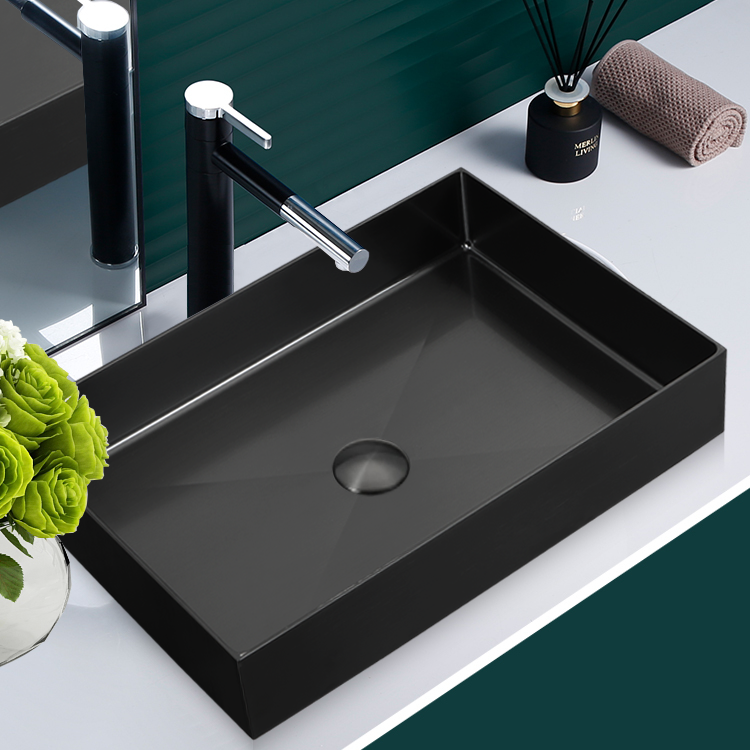
The performance of a bathroom sink in daily usage extends far beyond its visual appeal, encompassing a complex interplay of material quality, design engineering, installation precision, and maintenance practices. Understanding what truly determines how well a bathroom sink performs over years of constant use is essential for homeowners, contractors, and facility managers who seek to balance initial investment with long-term reliability. While aesthetic considerations often dominate purchasing decisions, the functional characteristics that define daily performance—from drainage efficiency to stain resistance—ultimately determine user satisfaction and total cost of ownership. This comprehensive examination explores the technical, environmental, and usage-related factors that collectively shape how a bathroom sink performs under the demanding conditions of real-world application.
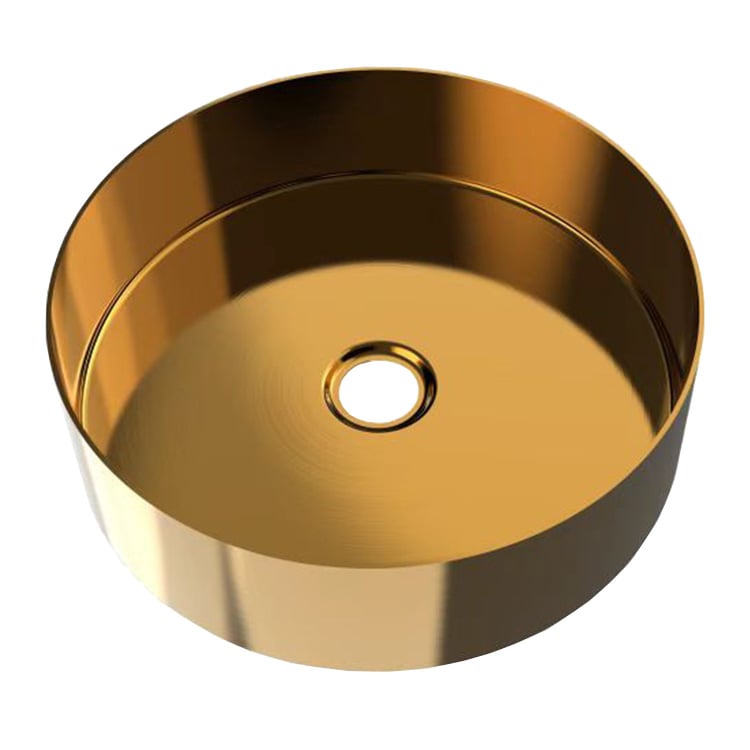
When evaluating bathroom sink performance, most users focus on immediate convenience factors such as water pooling, splash control, and cleaning ease, yet the underlying determinants include basin geometry, surface coating technology, mounting stability, and the compatibility between fixture components. Professional-grade installations demonstrate that even premium fixtures can underperform when paired with incompatible drainage systems or subjected to water chemistry that degrades protective finishes. Conversely, mid-range products properly matched to usage patterns and maintained according to material-specific protocols often outperform luxury alternatives in practical durability metrics. The following analysis dissects the primary performance determinants across material science, design parameters, installation quality, usage environment, and maintenance regimens to provide decision-makers with actionable criteria for specification and procurement.
Material Composition and Surface Engineering
Substrate Material Properties
The substrate material of a bathroom sink fundamentally determines its structural integrity, thermal stability, and resistance to mechanical stress during daily usage. Porcelain-enameled cast iron offers exceptional durability and heat resistance but adds significant weight that demands reinforced mounting, while vitreous china provides a balance of hardness and manufacturability with superior glaze adhesion properties. Stainless steel bathroom sinks, particularly those fabricated from 304-grade alloy with 18 percent chromium and 8 percent nickel content, deliver corrosion resistance and impact tolerance that prove advantageous in high-traffic commercial environments. Solid surface composites blend acrylic polymers with mineral fillers to create non-porous structures that resist bacterial colonization, though they exhibit lower scratch resistance compared to ceramic alternatives. The substrate choice directly influences thermal shock resistance—a critical factor when users alternate between hot and cold water—as well as the fixture's capacity to withstand accidental impacts from dropped objects or aggressive cleaning tools.
Performance differentiation among substrate materials becomes evident through long-term usage patterns, where porcelain maintains color stability under ultraviolet exposure while acrylic-based materials may yellow over extended periods. Natural stone bathroom sinks such as granite or marble require periodic sealing to maintain stain resistance, introducing a maintenance dependency not present in fully vitrified ceramic products. The molecular density of the substrate affects sound dampening characteristics, with cast iron significantly reducing water noise compared to thin-gauge stainless steel, which may require auxiliary sound-deadening pads. Substrate thermal mass influences condensation behavior, as materials with high specific heat capacity moderate surface temperature fluctuations that contribute to water droplet formation. These material-specific performance attributes necessitate alignment between substrate selection and the specific usage context, whether residential bathrooms with intermittent use or commercial facilities experiencing continuous demand.
Surface Coating Technologies
The surface coating applied to a bathroom sink substrate serves as the primary interface between the fixture and daily contaminants, directly determining stain resistance, cleanability, and gloss retention over time. Advanced nano-ceramic coatings create hydrophobic surfaces with contact angles exceeding 110 degrees, causing water and oils to bead and roll off rather than spreading into thin films that facilitate mineral deposit adhesion. Electroplated finishes on metallic bathroom sinks utilize controlled deposition of chromium or nickel layers to establish corrosion barriers, with multi-layer architectures providing redundancy against localized coating breaches. Glazed ceramic surfaces achieve their performance characteristics through high-temperature vitrification processes that fuse silicate compounds into continuous glass-like layers exhibiting hardness values between 5 and 6 on the Mohs scale. Antimicrobial coatings incorporating silver ions or copper compounds inhibit bacterial proliferation on bathroom sink surfaces, addressing hygiene concerns in healthcare and food service applications where cross-contamination risks warrant additional protective measures.
The longevity of surface coatings depends on their adhesion strength to the substrate and resistance to chemical attack from cleaning agents commonly used in bathroom maintenance. Acidic cleaners containing phosphoric or hydrochloric acid can etch calcium-based glazes, gradually dulling the surface and creating microscopic roughness that traps dirt particles. Abrasive cleaning pads accelerate coating wear on softer finishes, with scratch accumulation eventually compromising the aesthetic and functional properties of the bathroom sink surface. UV-stabilized coatings prevent photodegradation in naturally lit bathrooms, maintaining color consistency and surface integrity despite continuous exposure to sunlight. The coating's thermal expansion coefficient must closely match that of the substrate to prevent crazing—a network of fine cracks that develops when differential expansion during temperature cycling induces mechanical stress. Performance testing protocols evaluate coating durability through standardized abrasion cycles, chemical exposure sequences, and thermal shock protocols that simulate years of typical bathroom sink usage in accelerated timeframes.
Composite Material Innovations
Emerging composite materials for bathroom sinks combine the advantageous properties of multiple constituents to achieve performance profiles unattainable with single-material construction. Quartz composite formulations blend crushed natural quartz crystals with polymer resins in ratios approaching 90 percent mineral content, yielding surfaces with hardness approaching that of natural stone while eliminating the porosity that necessitates sealing. Fiberglass-reinforced polymer bathroom sinks layer resin-impregnated glass fabric to create lightweight structures with thickness-variable strength distribution, allowing engineers to concentrate material in high-stress zones while minimizing weight in non-critical areas. Mineral cast products polymerize liquid resin systems in molds containing dispersed stone particles, producing monolithic bathroom sinks without joints or seams that might harbor bacteria or fail under mechanical stress. These composite approaches enable complex geometries and integrated features such as molded drainboards or backsplashes that would be prohibitively expensive in traditional materials.
The performance advantages of composite bathroom sinks include customizable surface textures ranging from matte finishes that hide water spots to polished surfaces providing visual depth comparable to natural stone. Pigment incorporation throughout the composite matrix ensures that minor scratches do not reveal contrasting substrate colors, maintaining appearance despite surface damage. Thermal properties of composites can be engineered through filler selection, with thermally conductive particles improving heat dissipation in applications involving prolonged hot water exposure. However, composite bathroom sinks typically exhibit lower heat tolerance than ceramic alternatives, with maximum service temperatures often limited to 180 degrees Fahrenheit to prevent resin degradation or delamination. The repairability of composite materials represents a significant performance factor, as localized damage can often be addressed through surface refinishing techniques that restore appearance and functionality without requiring complete fixture replacement. This characteristic extends effective service life in applications where occasional impacts or chemical exposures might otherwise necessitate premature bathroom sink replacement.
Basin Geometry and Drainage Design
Bowl Depth and Volume Characteristics
The dimensional specifications of the bathroom sink basin directly influence splash containment, water volume capacity, and the practical usability of the fixture during various grooming activities. Basin depths ranging from four to eight inches accommodate different usage patterns, with shallow profiles facilitating wheelchair accessibility and child use while deeper basins provide splash protection during vigorous handwashing or face rinsing. The bowl volume—determined by depth, length, and width measurements combined with curvature geometry—establishes the fixture's capacity to handle peak flow rates without overflow, a critical consideration when faucet discharge rates exceed drainage capacity during simultaneous hot and cold water mixing. Rectangular bathroom sinks with flat bottoms maximize usable surface area for placing toiletry items but may experience slower drainage compared to curved basins that direct water toward the outlet through gravitational flow along continuous surfaces.
Performance testing reveals that bathroom sink basins with gradual slope transitions from rim to drain outlet minimize standing water pooling that promotes mineral deposit accumulation and bacterial growth. Sharp corner radii in basin geometry create dead zones where water velocity approaches zero, allowing suspended particles to settle and form stains that require aggressive cleaning. The relationship between basin depth and faucet spout height determines water stream behavior upon impact with the basin surface, with inadequate clearance producing turbulent splash patterns that eject water beyond the fixture perimeter. Ergonomic considerations influence optimal basin positioning relative to countertop height and user reach distances, affecting whether the bathroom sink accommodates comfortable use without requiring awkward postures that reduce efficiency and user satisfaction. Commercial applications benefit from standardized basin dimensions that support consistent user experience across multiple fixtures within a facility.
Drain Outlet Configuration and Flow Dynamics
The drain outlet design of a bathroom sink governs water evacuation efficiency, determines susceptibility to clog formation, and influences the effectiveness of overflow protection systems. Outlet diameter typically ranges from 1.25 to 1.75 inches, with larger openings supporting higher drainage flow rates but potentially allowing larger debris to enter the waste system. The positioning of the drain outlet—centered versus offset toward the rear—affects water flow patterns within the basin and the distribution of residual moisture after drainage completes. Overflow channels integrated into the bathroom sink structure provide secondary drainage pathways that prevent water from spilling over the rim when primary drainage becomes obstructed or when fill rates exceed evacuation capacity. These channels require careful sizing to handle anticipated overflow volumes while maintaining discrete visual profiles that do not detract from fixture aesthetics.
Hydrodynamic analysis demonstrates that drain outlet geometry influences vortex formation characteristics during water evacuation, with smoother transitions between the basin surface and drain opening promoting laminar flow that evacuates water more efficiently than turbulent conditions. Pop-up drain assemblies introduce mechanical complexity that can compromise long-term reliability if pivot mechanisms corrode or linkage components misalign, yet they provide convenient operation and an aesthetic alternative to exposed drain strainers. Grid-style drain covers prevent large objects from entering the waste system while maintaining high flow capacity through multiple small openings, though they accumulate hair and debris that require frequent cleaning. The slope of the basin floor toward the drain outlet should maintain a minimum gradient of one-quarter inch per foot to ensure complete water evacuation without requiring manual wiping to remove residual pooling. Performance degradation in bathroom sinks often traces to inadequate drain system maintenance rather than basin design flaws, emphasizing the importance of accessible drain components that facilitate periodic cleaning and debris removal.
Integrated Overflow Systems
Overflow protection systems in bathroom sinks serve as critical safety features that prevent water damage when users inadvertently leave faucets running or when drain blockages impede normal water evacuation. Traditional overflow channels consist of openings located one to two inches below the rim that connect through internal passages to the drain tailpiece, allowing excess water to bypass the basin and enter the waste system. The flow capacity of overflow channels must accommodate typical faucet discharge rates to provide effective protection, with undersized passages creating situations where water level rises faster than overflow drainage can evacuate. Modern bathroom sink designs incorporate concealed overflow systems that eliminate visible openings in the basin interior, routing water through channels molded into the fixture body or through gaps between the basin and mounting structure.
Performance evaluation of overflow systems addresses both hydraulic capacity and maintenance accessibility, as overflow passages can accumulate biofilm, mineral deposits, and debris that restrict flow and generate odors. Antimicrobial surface treatments in overflow channels reduce bacterial colonization, though they cannot eliminate the need for periodic cleaning through overflow openings. The connection between overflow passages and the main drain must prevent sewer gases from entering the bathroom through overflow openings, typically accomplished through proper trap seal maintenance in the waste system. Some bathroom sink configurations omit overflow systems entirely in favor of sensor-operated faucets that automatically shut off after predetermined time intervals, eliminating overflow risk through electronic controls rather than passive hydraulic design. The choice between overflow-equipped and overflow-free bathroom sinks depends on usage context, with public facilities favoring overflow protection while designer residential installations may prioritize the clean aesthetic of overflow-free basins combined with responsible user behavior.
Installation Quality and Mounting Integrity
Substrate Support and Load Distribution
The structural support system beneath a bathroom sink determines the fixture's resistance to deflection under load and its long-term stability during daily usage cycles. Wall-mounted bathroom sinks require robust blocking within wall cavities or mounting to structural framing members capable of supporting both the fixture weight and dynamic loads imposed during use. Cantilevered installations concentrate stress at mounting points, necessitating reinforced attachment hardware and adequate load distribution across multiple fasteners to prevent loosening or failure. Vanity-mounted bathroom sinks benefit from distributed support across cabinet structures, though cutout edge conditions require proper sealing to prevent moisture infiltration that degrades substrate materials. Pedestal bathroom sinks combine wall mounting with floor-supported columns that share load-bearing responsibility, providing aesthetic appeal while ensuring structural stability without requiring heavy-duty wall reinforcement.
Installation quality significantly affects performance characteristics such as drainage efficiency, with improper leveling causing water to pool away from drain outlets and creating persistent moisture that promotes mildew growth. The use of flexible mounting systems that accommodate building settlement or thermal expansion prevents stress concentration that could crack ceramic bathroom sinks or loosen sealed joints. Proper torque application during fastener installation ensures secure attachment without crushing delicate porcelain flanges or deforming metallic rim structures. Support systems must account for point loads applied when users lean on bathroom sink edges or place heavy objects in basins, requiring structural capacity beyond the static weight of the fixture itself. Commercial installations benefit from standardized mounting templates and fabrication jigs that ensure consistent positioning and alignment across multiple bathroom sinks within a facility.
Sealant Application and Water Barrier Integrity
The quality of sealant application at bathroom sink perimeter joints determines the effectiveness of water barriers that prevent moisture infiltration into surrounding structures and substrate materials. Silicone-based sealants provide flexibility that accommodates differential thermal expansion between bathroom sink materials and countertop surfaces while maintaining adhesive bonds over extended service periods. Proper surface preparation—including thorough cleaning and solvent wiping to remove oils and residues—ensures optimal sealant adhesion that resists degradation from repeated wetting and drying cycles. Bead geometry affects both aesthetic appearance and functional performance, with concave profiles facilitating water shedding while providing sufficient material volume to accommodate joint movement without adhesive failure.
Performance failures often originate at sealed joints where inadequate curing time, contaminated surfaces, or incompatible materials compromise barrier integrity. Mold-resistant sealant formulations incorporating fungicides extend service life in humid bathroom environments where moisture condensation provides conditions conducive to microbial growth. The intersection between bathroom sink rims and countertop surfaces requires careful attention to ensure continuous seal coverage without gaps that allow water to wick into porous substrates. Some installations utilize mechanical clamping systems that compress gasket materials between bathroom sink flanges and mounting surfaces, providing redundant sealing that does not rely solely on adhesive sealants. The selection of sealant materials must consider chemical compatibility with cleaning agents users will apply to bathroom sink surfaces, as some solvents and disinfectants degrade certain elastomeric compounds. Regular inspection and maintenance of sealed joints enables early detection of barrier deterioration before water infiltration causes structural damage or creates conditions supporting mold proliferation.
Plumbing Connection Quality
The reliability of plumbing connections to bathroom sinks directly impacts long-term performance by determining susceptibility to leaks, drainage problems, and maintenance requirements. Supply line connections utilizing compression fittings or braided flex hoses must achieve proper seal engagement without overtightening that damages threads or distorts sealing surfaces. The alignment between drain tailpiece assemblies and waste pipe connections affects drainage efficiency and the likelihood of joint separation during thermal cycling or building settlement. Proper slope maintenance throughout the drainage pathway ensures gravitational flow without low points where water accumulates and organic materials decompose to generate odors.
Performance optimization requires attention to trap configuration, with P-traps providing reliable sewer gas barriers through standing water seals while minimizing flow restriction compared to S-trap designs. The accessibility of plumbing connections influences maintenance ease and the speed with which leaks can be addressed, making accessible installations preferable despite the aesthetic appeal of completely concealed plumbing. Vibration dampening at supply connections prevents water hammer transmission that can loosen threaded joints over time, particularly in systems with quick-closing valves or high supply pressures. The use of code-compliant materials and installation practices ensures regulatory compliance while providing reliability characteristics validated through decades of field performance data. Professional installation verification through pressure testing and flow checks identifies deficiencies before bathroom sinks enter regular service, preventing premature failures that compromise user satisfaction and necessitate costly remediation.
Usage Environment and Operating Conditions
Water Chemistry and Mineral Content
The chemical composition of water supplied to bathroom sinks exerts profound influence on fixture performance through mineral deposition, corrosive attack, and staining phenomena that accumulate over extended usage periods. Hard water containing elevated concentrations of calcium and magnesium ions precipitates as scale deposits when water evaporates from bathroom sink surfaces, creating rough textures that trap dirt and provide substrate for bacterial colonization. The pH level of supply water affects the dissolution rate of protective coatings and the corrosion susceptibility of metallic fixture components, with acidic conditions accelerating material degradation while alkaline water promotes mineral deposition. Dissolved iron and manganese produce characteristic rust-colored or black stains on bathroom sink surfaces, particularly in areas where water pools or drips persistently.
Water treatment systems that reduce mineral hardness through ion exchange or prevent scale formation through polyphosphate dosing significantly extend bathroom sink service life and reduce cleaning frequency requirements. Chlorine and chloramine disinfectants present in municipal water supplies can degrade certain rubber gasket materials and plastic components in drain assemblies, necessitating periodic replacement of deteriorated parts. Seasonal variations in water chemistry—common in systems that alternate between surface and groundwater sources—produce corresponding changes in bathroom sink performance characteristics and maintenance requirements. The interaction between water chemistry and surface coating properties determines whether mineral deposits adhere tenaciously or remain easily removable through routine cleaning, with hydrophobic surfaces generally exhibiting superior resistance to scale adhesion. Point-of-use water filtration or conditioning addresses supply water chemistry issues for individual bathroom sinks in situations where whole-house treatment systems are impractical or prohibitively expensive.
Ambient Environmental Conditions
The environmental conditions surrounding bathroom sinks influence material performance through temperature fluctuations, humidity levels, and exposure to cleaning chemicals and personal care products. Bathroom environments typically experience high humidity during showering activities, creating moisture conditions that promote corrosion of metallic fixtures and support mold growth on sealant materials. Temperature variations between ambient conditions and hot water discharge induce thermal stress cycles that can degrade materials through fatigue mechanisms, particularly in fixtures experiencing hundreds of daily use events. Ultraviolet exposure from windows or skylights accelerates photodegradation of certain polymer materials and can cause yellowing of acrylic-based bathroom sinks or deterioration of sealants.
Ventilation effectiveness directly impacts bathroom sink performance by controlling moisture accumulation that accelerates corrosion and microbial growth while facilitating evaporation of water droplets that would otherwise deposit minerals as they dry. Heating system operation affects condensation behavior on bathroom sink surfaces, with cold fixtures in warm, humid conditions collecting moisture films that facilitate stain development. The chemical environment includes exposure to soap residues, toothpaste, cosmetics, and personal care products that may contain aggressive solvents or abrasive particles affecting surface integrity over time. Splash patterns from adjacent showers can deposit body oils, shampoo residues, and hard water minerals on bathroom sink surfaces, requiring consideration of fixture placement relative to other bathroom features. Seasonal environmental variations necessitate adaptive maintenance practices, with heating season condensation issues requiring different approaches than summer ventilation challenges. The cumulative effect of environmental conditions on bathroom sink performance emphasizes the importance of holistic bathroom design that considers moisture management, temperature control, and adequate ventilation as integral components of fixture specification.
Usage Intensity and Pattern Characteristics
The frequency and manner of bathroom sink usage dramatically affect long-term performance through accumulated wear, cleaning cycle impacts, and stress from objects placed in or dropped into basins. Residential bathroom sinks typically experience ten to twenty usage events daily per household member, while commercial facilities may see hundreds of uses per fixture per day, accelerating all degradation mechanisms proportionally. The duration of water flow during each usage event affects total thermal cycling exposure and the volume of minerals deposited from evaporating water. Usage patterns that include placement of heavy toiletry bottles or makeup cases in bathroom sink basins subject fixtures to impact loads and sustained pressure concentrations not anticipated in standard design criteria.
High-traffic applications accelerate surface wear through repeated contact with users' hands, jewelry, and grooming implements that cause microscopic abrasion accumulating into visible surface dulling. The variety of substances introduced to bathroom sinks—from benign soap and water to potentially damaging hair dyes, nail polish removers, and chemical drain cleaners—creates a complex exposure environment challenging long-term material stability. Usage patterns during peak demand periods may result in partial basin filling or continuous water flow that taxes drainage system capacity and increases overflow risk. Family bathrooms serving multiple users in quick succession experience continuous moisture exposure without drying intervals that would allow evaporation and surface recovery. Understanding usage pattern characteristics enables appropriate bathroom sink specification, matching fixture durability grades and maintenance requirements to actual operating conditions rather than relying on nominal residential or commercial classifications. Performance validation should ideally occur under conditions simulating the specific usage intensity and pattern characteristics of the intended application environment.
Maintenance Practices and Longevity Factors
Cleaning Methods and Product Selection
The selection of cleaning methods and chemical products fundamentally determines whether bathroom sink maintenance preserves or degrades fixture performance over time. Neutral pH cleaners formulated specifically for bathroom fixtures remove soils and soap residues without attacking surface coatings or promoting corrosion of metallic components. Abrasive cleansers containing pumice, calcium carbonate, or silica particles accelerate surface wear on glazed ceramic and polished metal bathroom sinks, gradually dulling finishes and creating microscopic scratches that trap dirt and bacteria. Acidic cleaners effectively dissolve mineral deposits but may etch calcium-based glazes or corrode metallic finishes if applied too frequently or allowed to remain in contact with surfaces beyond recommended dwell times.
Proper cleaning technique involves matching product chemistry to soil type and surface material, using mechanical action appropriate to surface hardness while avoiding tools that impose excessive abrasion. Microfiber cloths and non-scratch sponges provide effective cleaning for routine maintenance without damaging bathroom sink surfaces, while stiff brushes should be reserved for drain strainers and overflow openings where surface finish preservation is less critical. The frequency of cleaning affects both appearance and hygiene, with daily rinsing and weekly thorough cleaning preventing soil accumulation that requires aggressive removal methods. Bleach-based disinfectants provide effective sanitization but may degrade rubber drain components and certain sealants, necessitating careful application avoiding prolonged contact with vulnerable materials. Natural cleaning alternatives including vinegar for mineral dissolution and baking soda for mild abrasion offer gentler approaches that minimize chemical exposure risks, though they may require more frequent application and greater mechanical effort to achieve equivalent cleaning results compared to commercial formulations.
Preventive Maintenance Protocols
Systematic preventive maintenance extends bathroom sink service life by addressing minor issues before they escalate into performance failures or necessitate costly repairs. Regular inspection of sealed joints identifies early signs of separation or deterioration that can be addressed through minor sealant repair before water infiltration damages surrounding structures. Drain system maintenance including monthly cleaning of pop-up assemblies and quarterly augering of waste lines prevents clog formation that impairs drainage performance and creates overflow risks. The lubrication of mechanical drain components with plumber's grease ensures smooth operation and prevents corrosion that leads to seized mechanisms requiring replacement. Faucet aerator cleaning removes mineral deposits that restrict flow and alter spray patterns, maintaining consistent water delivery performance.
Seasonal maintenance activities address environmental condition changes, such as applying additional ventilation during humid summer months or checking for condensation issues when heating systems activate in winter. The documentation of maintenance activities enables tracking of bathroom sink performance trends and identification of recurring issues that may indicate underlying problems requiring corrective action. Professional inspection at multi-year intervals provides expert assessment of fixture condition and identification of subtle degradation not apparent to untrained observers. The replacement of wear components such as drain gaskets, pop-up mechanisms, and supply line flex hoses according to manufacturer-recommended intervals prevents unexpected failures and maintains optimal bathroom sink performance. Preventive maintenance programs demonstrate particular value in commercial facilities where fixture failures disrupt operations and create liability concerns, justifying the investment in systematic inspection and component replacement protocols.
Performance Degradation Recognition
The ability to recognize early indicators of bathroom sink performance degradation enables timely intervention that prevents minor issues from progressing to fixture failure. Persistent water pooling in areas distant from drain outlets indicates improper leveling or structural deflection requiring mounting adjustment or support reinforcement. Slow drainage accompanied by gurgling sounds suggests partial blockage in the waste system necessitating cleaning or potential venting issues affecting pressure equalization. Surface staining resistant to normal cleaning methods may indicate coating degradation requiring professional restoration or eventual fixture replacement. The appearance of cracks, chips, or crazing in ceramic bathroom sinks demands immediate evaluation to determine whether damage compromises structural integrity or remains superficial aesthetic concerns.
Unusual odors emanating from bathroom sinks often trace to biofilm accumulation in overflow passages or inadequate trap seal maintenance allowing sewer gas infiltration. Corrosion evidence on metallic fixtures including pitting, discoloration, or surface roughening indicates environmental exposure exceeding material capabilities and may necessitate protective measures or material substitution. Mounting instability manifested through movement when pressure is applied to bathroom sink edges suggests fastener loosening or support structure degradation requiring immediate remediation to prevent fixture detachment. The accumulation of mineral scale deposits at faucet bases or around drain outlets indicates water chemistry issues benefiting from treatment intervention. Recognizing these performance degradation indicators and understanding their root causes enables informed decision-making regarding repair versus replacement, maintenance protocol modification, and specification improvements for future installations. Educational programs for facility maintenance staff or homeowners enhance recognition capabilities and promote proactive responses that maximize bathroom sink service life and performance consistency.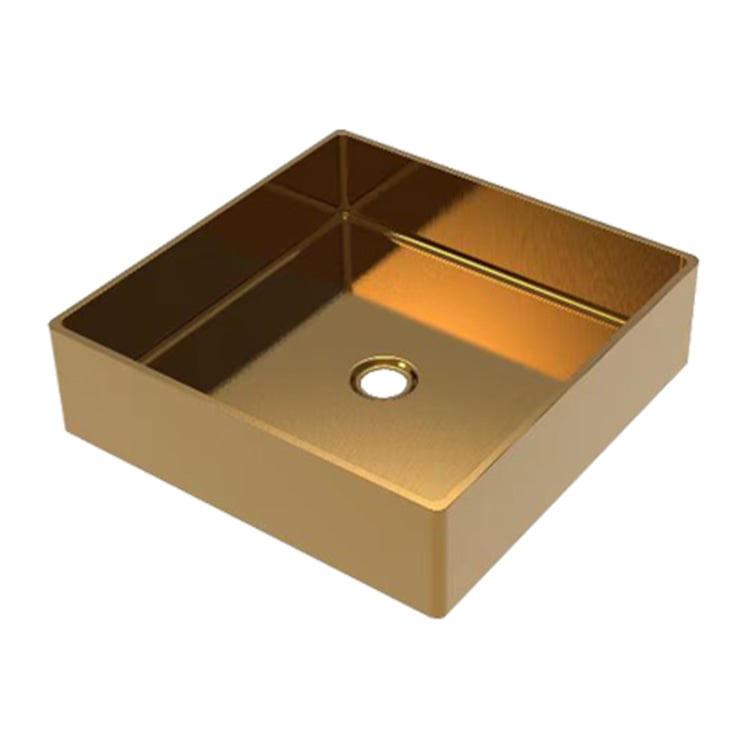
FAQ
How does bathroom sink material affect daily cleaning requirements?
Bathroom sink material directly determines cleaning frequency and effort through surface characteristics such as porosity, scratch resistance, and stain susceptibility. Non-porous materials like vitreous china and stainless steel resist bacterial colonization and prevent soil penetration, allowing effective cleaning with simple wiping and neutral detergents. Porous materials including unsealed natural stone require more frequent attention and specialized cleaning products to prevent permanent staining from dyes, oils, and acidic substances. Surface finish affects visible soil accumulation, with matte textures hiding water spots but potentially harboring more bacteria compared to polished surfaces that show every droplet yet facilitate easier cleaning. The chemical resistance of surface coatings determines which cleaning products can be safely used without causing degradation, influencing both product selection and cleaning technique requirements.
What installation factors most significantly impact bathroom sink drainage performance?
Proper leveling represents the most critical installation factor affecting drainage, as even minor deviations from horizontal cause water to pool away from drain outlets and create persistent moisture issues. The alignment between the bathroom sink drain outlet and waste pipe connection must maintain adequate slope without creating low points where debris accumulates and restricts flow. Trap configuration and venting adequacy influence drainage speed and prevent vacuum or pressure conditions that slow water evacuation. The quality of drain assembly installation including proper gasket seating and connection tightening prevents leaks while ensuring unobstructed flow paths. Overflow system integration must provide adequate capacity and proper connection to the drainage pathway to function effectively during high-flow conditions.
Can water hardness permanently damage bathroom sink surfaces?
Water hardness does not typically cause permanent structural damage to bathroom sink surfaces but creates mineral scale buildup that becomes increasingly difficult to remove over time and may permanently alter appearance if left unaddressed. Repeated mineral deposition cycles without proper removal eventually create thick scale layers that etch into softer surface coatings when finally addressed with aggressive cleaning methods. The combination of hard water and inadequate ventilation accelerates corrosion of metallic bathroom sinks by maintaining persistent moisture with elevated mineral content. Glazed ceramic surfaces generally resist permanent damage from hard water but may develop stained areas where mineral deposits concentrate and undergo chemical changes. Water softening systems or point-of-use filtration effectively prevent hard water damage, representing a more practical long-term solution than attempting to address symptoms through intensive cleaning.
How frequently should bathroom sink drain assemblies be serviced for optimal performance?
Routine bathroom sink drain assembly maintenance should occur monthly for high-use fixtures and quarterly for standard residential applications, involving removal and cleaning of pop-up mechanisms, strainers, and accessible trap components. Annual professional inspection provides comprehensive assessment including components not easily accessed by users, such as internal overflow passages and waste pipe connections. Immediate service becomes necessary whenever drainage performance noticeably degrades or odors develop, as these symptoms indicate conditions requiring correction to prevent progressive deterioration. Commercial facilities benefit from scheduled maintenance coordinated with low-occupancy periods to minimize user disruption while ensuring consistent bathroom sink performance. The specific maintenance interval should be adjusted based on water quality, usage intensity, and the accumulation rate of hair, soap residue, and other debris particular to each installation environment.
Table of Contents
- Material Composition and Surface Engineering
- Basin Geometry and Drainage Design
- Installation Quality and Mounting Integrity
- Usage Environment and Operating Conditions
- Maintenance Practices and Longevity Factors
-
FAQ
- How does bathroom sink material affect daily cleaning requirements?
- What installation factors most significantly impact bathroom sink drainage performance?
- Can water hardness permanently damage bathroom sink surfaces?
- How frequently should bathroom sink drain assemblies be serviced for optimal performance?