EN
EN


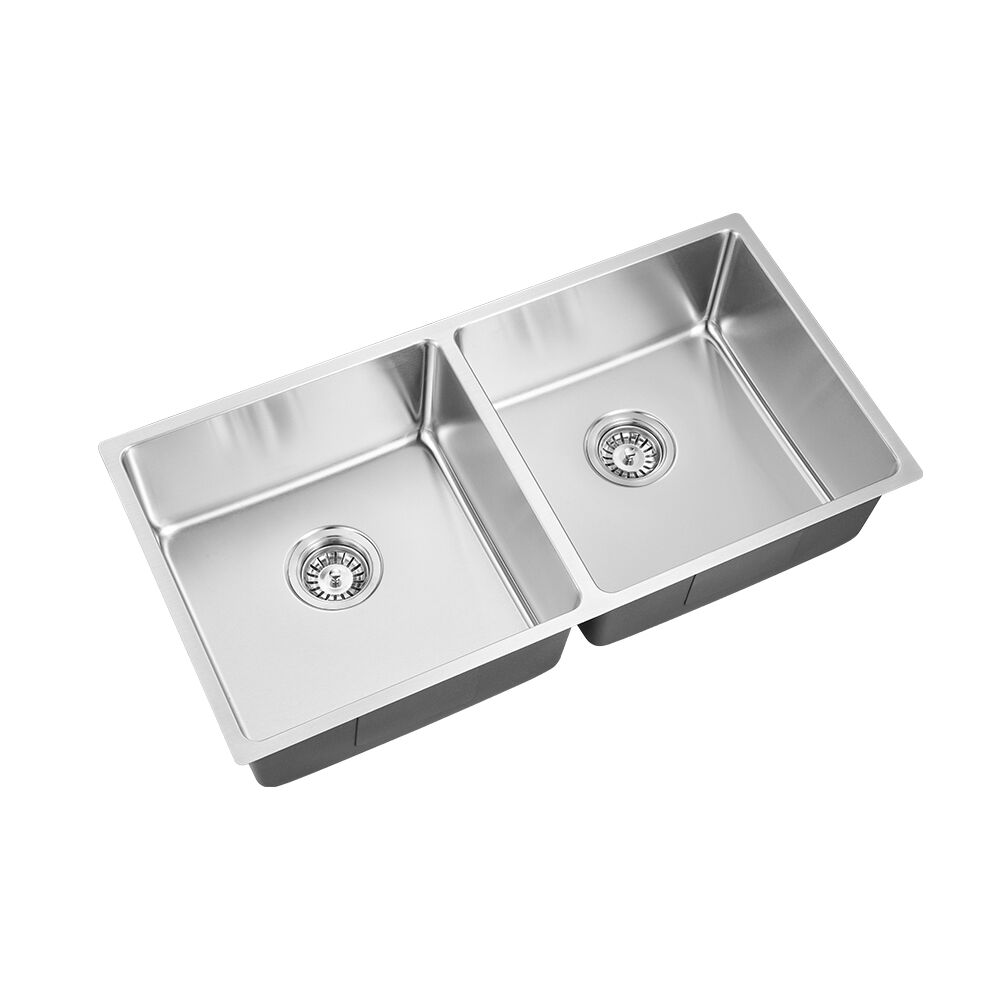
A kitchen sink is one of the most heavily used fixtures in any residential or commercial property, yet it rarely receives the level of preventive attention it deserves. Day after day, it handles food waste, grease, detergents, hot water, and constant mechanical stress from faucets and drain hardware. Over months and years, this relentless use creates cumulative wear that can quietly escalate into serious structural, hygienic, and functional problems. Understanding what those long-term issues look like — and why they develop — is essential for anyone responsible for maintaining a kitchen environment.

The challenges that emerge in a kitchen sink system over time are rarely sudden. They tend to develop gradually, often going unnoticed until they cause visible damage, water loss, or health concerns. From corrosion and mineral buildup to drain failure and seal degradation, each issue has a root cause tied to how the sink is used, what materials it is made from, and how well the surrounding plumbing is maintained. This article examines the most significant long-term issues that can develop in kitchen sink systems, explaining the mechanisms behind each problem and what they mean for the longevity of the installation.
Corrosion and Surface Degradation Over Time
How Metal Surfaces Break Down Gradually
Even high-quality stainless steel kitchen sink units are not entirely immune to surface degradation when exposed to harsh conditions over extended periods. Chloride-based cleaning agents, acidic food residues, and prolonged contact with standing water all contribute to a process known as pitting corrosion. This form of corrosion creates small but deep cavities in the metal surface that are difficult to reverse once established. Over time, these pits can compromise the structural integrity of the basin and create rough surfaces where bacteria accumulate.
Lower-grade materials are particularly vulnerable. A kitchen sink made from thin-gauge steel or coated cast iron may begin showing rust spots within a few years of installation, especially in environments with hard water or frequent exposure to bleach-based cleaners. The protective oxide layer that gives stainless steel its corrosion resistance can be stripped away by abrasive scrubbing pads or incompatible chemical cleaners, leaving the base metal exposed to oxidation. Once rust takes hold beneath a surface coating, it spreads laterally and is nearly impossible to stop without replacing the affected component.
In commercial kitchens, the pace of degradation is significantly faster due to higher usage frequency and more aggressive cleaning protocols. A kitchen sink in a restaurant environment may show signs of surface wear within two to three years if the material grade is not matched to the operational demands. Selecting the appropriate steel grade and surface finish from the outset is one of the most effective ways to delay this category of long-term damage.
Finish Dulling and Aesthetic Deterioration
Beyond structural corrosion, the finish of a kitchen sink undergoes visible changes over time that affect both appearance and hygiene. Brushed or satin finishes can become uneven as micro-scratches accumulate from daily use, creating a surface that looks worn and is harder to clean effectively. Polished finishes may develop a network of fine scratches that scatter light differently, making the sink appear dull or stained even after thorough cleaning.
Composite and enamel-coated kitchen sink models face a different set of finish problems. Enamel can chip when heavy pots or utensils are dropped into the basin, and once the protective coating is breached, the underlying material is exposed to moisture and staining agents. Composite materials may fade or discolor when exposed to strong sunlight through kitchen windows or when certain chemical cleaners are used repeatedly. These aesthetic changes are not merely cosmetic — a degraded surface is harder to sanitize and more likely to harbor microbial growth in the long run.
Drain System Blockages and Flow Deterioration
The Gradual Accumulation of Organic Waste
One of the most predictable long-term issues in any kitchen sink system is the progressive narrowing of drain pipes due to organic waste accumulation. Fats, oils, and grease are the primary culprits. When hot cooking grease is poured down a kitchen sink drain, it travels a short distance before cooling and solidifying on the inner walls of the pipe. Each subsequent deposit adds another layer, slowly reducing the effective diameter of the drain line over months and years.
Food particles that pass through the drain strainer compound this problem. Small fragments of starch, protein, and fiber bind with grease deposits to form a dense, adhesive sludge that is resistant to water pressure alone. In older plumbing systems where pipe joints may already be partially compromised, this sludge can create near-complete blockages that require professional hydro-jetting or pipe replacement to resolve. The kitchen sink drain is often the first point in a plumbing system where these accumulations become severe enough to cause noticeable slow drainage.
Soap scum also plays a role in long-term drain deterioration. Dish soap residue combines with hard water minerals to form a chalky film that coats pipe walls and traps other debris. Over time, this film hardens and becomes increasingly difficult to dissolve with standard drain cleaning products. Regular maintenance with enzymatic drain cleaners can slow this process, but it cannot be entirely prevented in a heavily used kitchen sink installation.
P-Trap Failures and Sewer Gas Infiltration
The P-trap — the curved pipe section beneath a kitchen sink — serves a critical function by holding a small reservoir of water that blocks sewer gases from entering the kitchen. Over time, P-traps can develop several failure modes that compromise this function. Plastic P-traps become brittle with age and exposure to hot water, eventually cracking or developing slow leaks at the slip-joint connections. Metal P-traps corrode from the inside out due to constant contact with waste water and cleaning chemicals.
A leaking P-trap beneath a kitchen sink is often not immediately obvious because the leak may be slow and the cabinet below the sink absorbs moisture gradually. By the time visible water damage appears on the cabinet floor, the surrounding wood or particleboard may already be significantly compromised. In some cases, the moisture creates conditions favorable for mold growth inside the cabinet, which then spreads to adjacent surfaces. This is a long-term consequence that begins with a minor seal failure and escalates into a costly remediation project.
If a P-trap dries out due to infrequent use — common in secondary kitchen sink installations or vacation properties — sewer gases including hydrogen sulfide can enter the kitchen space. While this is a reversible condition, repeated drying and refilling cycles accelerate wear on the trap's sealing surfaces and increase the likelihood of permanent seal failure over time.
Faucet and Fixture Wear Within the Sink System
Valve Seat Erosion and Drip Development
The faucet mounted on or near a kitchen sink is subject to thousands of open-and-close cycles each year. Over time, the internal valve seats and cartridges that control water flow experience mechanical wear that leads to dripping, reduced flow control precision, and eventually complete valve failure. Compression faucets are particularly susceptible to this type of wear because their rubber washers degrade with each use cycle. Ceramic disc cartridges are more durable but are not immune to failure when exposed to hard water mineral deposits that abrade the disc surfaces.
A dripping kitchen sink faucet is more than a minor annoyance. A faucet dripping at one drop per second wastes approximately 3,000 gallons of water per year, representing a significant utility cost over the lifetime of the installation. More importantly, the constant dripping accelerates wear on the drain strainer and basin surface directly below the drip point, creating localized staining and surface erosion that would not otherwise occur. Addressing faucet wear early is therefore important not just for water conservation but for protecting the kitchen sink basin itself.
Spray Head and Aerator Clogging
The aerator at the tip of a kitchen sink faucet is a small but functionally important component that mixes air into the water stream to reduce splashing and improve flow efficiency. Over time, mineral deposits from hard water accumulate inside the aerator mesh, progressively restricting flow and altering the spray pattern. In areas with very hard water, this clogging can become severe within six to twelve months of installation without regular cleaning.
Pull-out and pull-down spray heads on modern kitchen sink faucets face additional long-term challenges. The flexible hose connecting the spray head to the faucet body is subject to repeated bending stress that eventually causes micro-cracks in the hose material. These cracks may not be immediately visible but allow slow water seepage that damages the cabinet interior over time. The magnetic docking mechanism on many spray heads also weakens with repeated use, eventually failing to hold the spray head in its resting position.
Sealant and Mounting Integrity Degradation
Silicone Seal Breakdown Around the Sink Perimeter
The silicone sealant applied around the perimeter of a drop-in or undermount kitchen sink is one of the most overlooked components in the entire installation. This sealant serves as the primary barrier preventing water from migrating between the sink rim and the countertop surface. Over time, silicone degrades due to exposure to cleaning chemicals, thermal cycling from hot and cold water, and the mechanical stress of the sink flexing slightly under load. As the sealant ages, it loses elasticity, develops cracks, and eventually separates from one or both bonding surfaces.
Once the perimeter seal of a kitchen sink fails, water infiltrates the gap between the sink and countertop with every use. This moisture is trapped in a space with poor ventilation, creating ideal conditions for mold and mildew growth. In laminate countertops, the moisture causes the substrate to swell and delaminate. In natural stone countertops, it can cause staining and in some cases structural weakening of the stone near the sink cutout. The damage is often extensive by the time it becomes visible, because the failure zone is hidden beneath the sink rim.
Resealing a kitchen sink is a straightforward maintenance task, but it requires complete removal of the old sealant and thorough surface preparation before new sealant is applied. Many property owners and even some contractors skip this maintenance step, allowing seal degradation to progress unchecked for years. Establishing a regular inspection schedule — ideally every two to three years — is the most effective way to catch seal failure before it causes secondary damage.
Undermount Clip and Adhesive Failure
Undermount kitchen sink installations rely on a combination of mechanical clips and adhesive to hold the sink basin against the underside of the countertop. Over time, both of these fastening systems can fail. The clips may loosen as the countertop material expands and contracts with temperature changes, and the adhesive bond can weaken when exposed to moisture and cleaning chemicals that seep through a degraded perimeter seal.
A kitchen sink that has begun to separate from its undermount position creates a widening gap at the countertop edge that accelerates water infiltration. In severe cases, the sink may drop partially or completely, creating a safety hazard and causing significant damage to the plumbing connections below. This type of failure is almost always the end result of a long chain of smaller degradation events — beginning with seal failure, progressing through moisture infiltration, and culminating in adhesive and clip failure. Catching the problem at the seal failure stage prevents the more serious structural consequences.
Water Quality and Hygiene Concerns Over Extended Use
Biofilm Formation in Drain and Basin Surfaces
Over extended periods of use, a kitchen sink can become a significant site of microbial colonization. Biofilm — a structured community of bacteria encased in a self-produced matrix — forms readily on drain surfaces, strainer baskets, and any area of the basin where organic matter accumulates. Unlike planktonic bacteria that can be removed with standard cleaning, biofilm is highly resistant to disinfectants and requires mechanical disruption to eliminate effectively.
Research in food safety contexts has consistently identified the kitchen sink drain as one of the highest-risk surfaces in a food preparation environment. Pathogens including Salmonella, E. coli, and Listeria have been detected in kitchen sink drain biofilms in both residential and commercial settings. The risk is compounded by the fact that the drain area is frequently splashed during food preparation, potentially transferring microbial contamination to food contact surfaces nearby. This is a long-term hygiene issue that develops gradually as biofilm layers accumulate and become more resistant to routine cleaning.
Hard Water Scale and Its Secondary Effects
In regions with hard water, mineral scale accumulation is an inevitable long-term issue for any kitchen sink installation. Calcium and magnesium carbonates precipitate out of the water supply and deposit on basin surfaces, faucet components, and drain hardware. Over time, these deposits build into thick, hard encrustations that are difficult to remove without acidic descaling agents. The scale itself is not harmful, but its secondary effects are significant.
Scale deposits on faucet aerators and valve components restrict water flow and accelerate mechanical wear, as described earlier. Scale on the basin surface of a kitchen sink creates a rough texture that traps food particles and cleaning product residue, making the surface harder to keep hygienic. Scale around the drain opening can partially obstruct flow and create a surface that is particularly prone to biofilm formation. In undermount installations, scale can accumulate in the gap between the sink rim and countertop if the perimeter seal has begun to fail, accelerating the degradation of both the seal and the countertop material.
FAQ
How often should the silicone seal around a kitchen sink be replaced?
The silicone seal around a kitchen sink should be inspected at least once every two years and replaced whenever cracking, separation, or discoloration is observed. In high-use environments or areas with significant temperature variation, annual inspection is advisable. Proactive resealing before visible failure occurs is far less costly than repairing the water damage that results from a failed seal.
What is the most effective way to prevent long-term drain blockages in a kitchen sink?
The most effective prevention strategy combines physical and chemical approaches. Using a fine-mesh strainer basket to capture food particles before they enter the drain removes the primary binding agent for grease deposits. Avoiding the disposal of cooking fats and oils down the kitchen sink drain eliminates the main cause of pipe narrowing. Monthly treatment with an enzymatic drain cleaner helps break down organic residue before it hardens into a blockage.
Can a corroded kitchen sink basin be restored, or does it need to be replaced?
Minor surface corrosion on a stainless steel kitchen sink can sometimes be addressed with specialized stainless steel restoration products and fine-grade polishing compounds. However, pitting corrosion that has penetrated the metal surface cannot be reversed and will continue to spread. In cases where corrosion has created structural weakness or compromised the hygienic integrity of the basin surface, replacement is the appropriate course of action rather than attempting surface restoration.
How does hard water accelerate long-term wear in a kitchen sink system?
Hard water accelerates wear through several mechanisms simultaneously. Mineral scale deposits on faucet components increase mechanical friction and restrict water flow, shortening the service life of valves and aerators. Scale on the basin surface creates a rough texture that traps debris and promotes biofilm formation. Mineral deposits in drain pipes contribute to blockage formation by providing a surface for grease and organic matter to adhere to. Installing a water softener or using a dedicated descaling maintenance routine significantly reduces the rate of hard water-related degradation in a kitchen sink system.
Table of Contents
- Corrosion and Surface Degradation Over Time
- Drain System Blockages and Flow Deterioration
- Faucet and Fixture Wear Within the Sink System
- Sealant and Mounting Integrity Degradation
- Water Quality and Hygiene Concerns Over Extended Use
-
FAQ
- How often should the silicone seal around a kitchen sink be replaced?
- What is the most effective way to prevent long-term drain blockages in a kitchen sink?
- Can a corroded kitchen sink basin be restored, or does it need to be replaced?
- How does hard water accelerate long-term wear in a kitchen sink system?