EN
EN


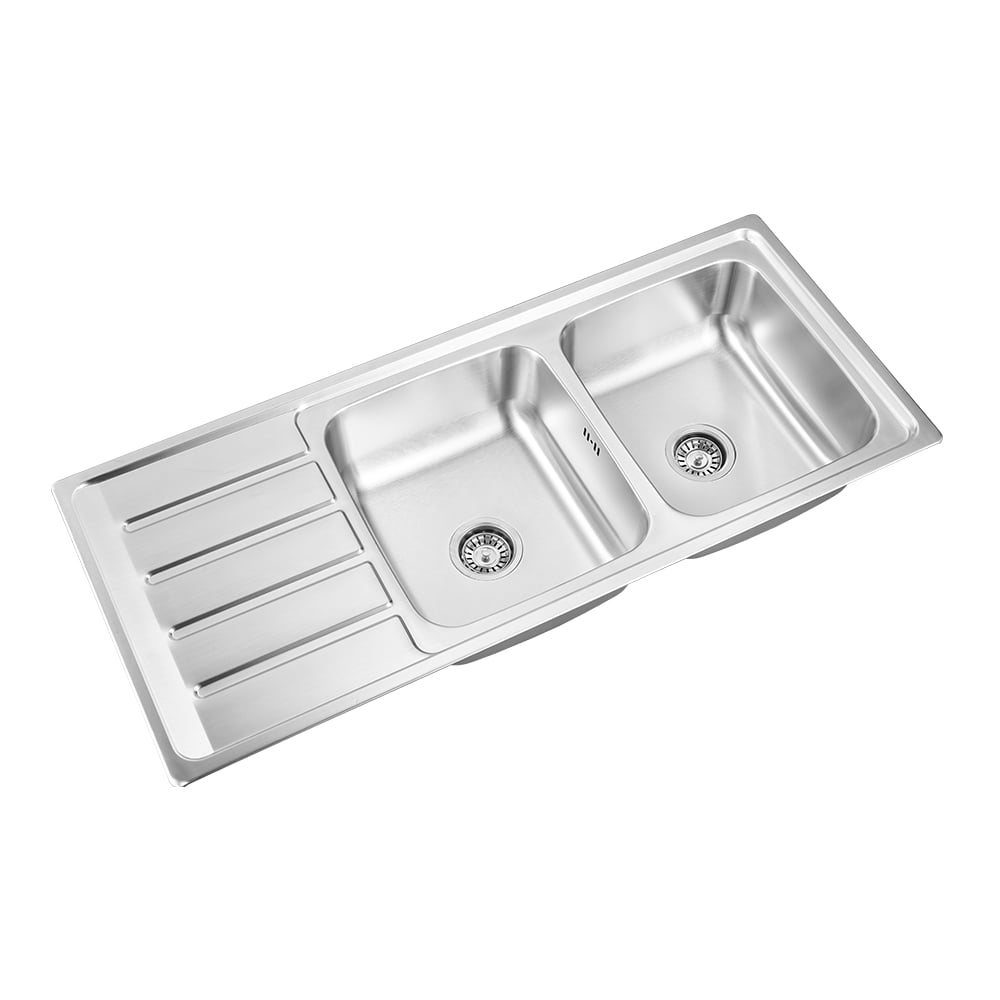
Professional kitchens operate under demanding conditions that require equipment built for durability, hygiene, and relentless performance. Among the essential fixtures that define a commercial kitchen's functionality, the stainless kitchen sink stands as an indispensable workhorse that meets the rigorous standards of foodservice operations. From high-volume restaurants to institutional catering facilities, chefs and kitchen managers consistently choose stainless steel sinks over alternative materials, and this preference is rooted in practical, operational, and regulatory considerations that directly impact daily workflow efficiency and food safety compliance.
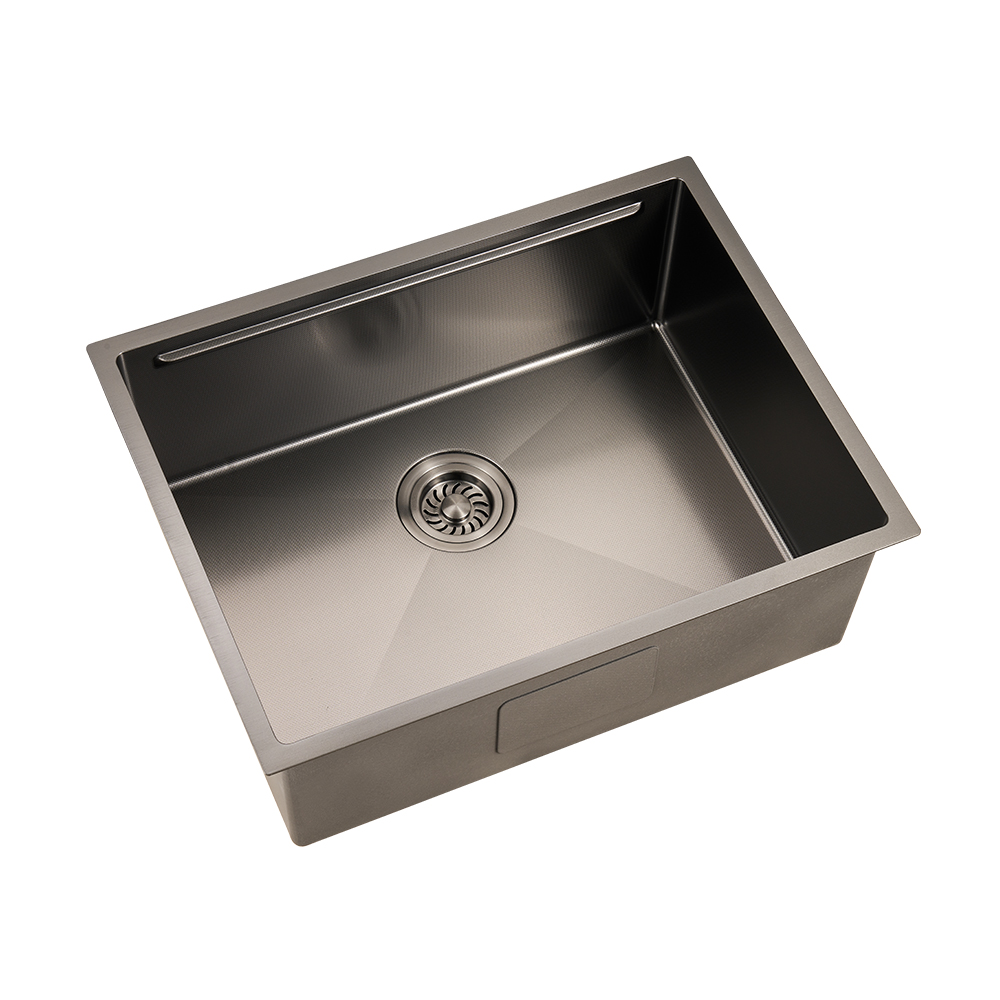
Understanding why professional kitchens favor stainless steel sinks requires examining the unique operational demands these environments place on every piece of equipment. Unlike residential kitchens where sinks handle moderate daily use, commercial settings subject these fixtures to continuous heavy-duty tasks including prep work for hundreds of meals, constant dishwashing cycles, aggressive cleaning protocols, and exposure to extreme temperature variations. The choice of sink material becomes a critical decision that affects not only immediate functionality but also long-term operational costs, maintenance requirements, and the kitchen's ability to maintain health department certifications. This article explores the specific reasons why the stainless kitchen sink has become the industry standard in professional foodservice environments.
Hygiene Standards and Food Safety Compliance
Non-Porous Surface Properties
The most compelling reason professional kitchens choose stainless kitchen sink installations centers on the material's inherently non-porous surface structure. Stainless steel features a tightly compacted molecular arrangement that prevents bacteria, mold, and pathogens from penetrating the surface or establishing colonies within microscopic crevices. This characteristic is fundamental to maintaining food safety standards in commercial environments where cross-contamination risks must be minimized at every possible touchpoint. Unlike composite materials, ceramic, or coated surfaces that can develop hairline cracks or surface degradation over time, stainless steel maintains its impermeable barrier throughout its service life.
Health inspectors and food safety auditors specifically look for equipment that meets NSF International standards, and stainless steel consistently earns approval for direct food contact surfaces. The material's resistance to harboring pathogens becomes particularly critical in professional settings where raw proteins, fresh produce, and ready-to-eat ingredients are processed in rapid succession throughout service periods. A stainless kitchen sink can be thoroughly sanitized between different food preparation tasks without concern that residual contaminants remain embedded in the surface material, enabling kitchens to maintain strict HACCP protocols and pass rigorous health department inspections.
Chemical Resistance and Sanitization Compatibility
Professional kitchens rely on industrial-strength cleaning agents and sanitizing solutions that would damage or degrade lesser sink materials. The stainless kitchen sink demonstrates exceptional resistance to the harsh chemicals used in commercial foodservice sanitization protocols, including quaternary ammonium compounds, chlorine-based bleach solutions, and caustic degreasers. This chemical tolerance allows kitchen staff to implement aggressive cleaning schedules without worrying about material breakdown, surface etching, or the leaching of harmful compounds into the sink basin.
The ability to withstand repeated exposure to high-concentration sanitizers means that a stainless kitchen sink maintains its sanitary properties throughout multiple daily cleaning cycles. Commercial operations typically sanitize their sinks every few hours during service periods and conduct deep cleaning procedures at the end of each shift. Stainless steel's inert surface chemistry ensures that these intensive sanitization practices enhance cleanliness without compromising the sink's structural integrity or creating new contamination risks through material degradation. This chemical stability translates directly into consistent food safety performance over years of demanding use.
Heat Tolerance for Thermal Sanitization
Beyond chemical sanitization, professional kitchens often employ thermal sanitization methods that subject sinks to extreme temperature conditions. A stainless kitchen sink can withstand boiling water flushes, steam sanitization procedures, and the thermal shock of alternating between ice-cold prep water and scalding cleaning water without warping, cracking, or losing structural integrity. This heat tolerance is essential in professional settings where sinks serve multiple functions throughout the day, from defrosting frozen ingredients under cold running water to receiving hot liquids drained from cooking equipment.
The thermal conductivity properties of stainless steel allow heat to dissipate quickly, preventing dangerous hot spots that could cause burns to kitchen staff while still enabling effective thermal sanitization when required. This balanced thermal response makes the stainless kitchen sink particularly valuable in fast-paced professional environments where temperature extremes are routine rather than exceptional occurrences. The material's dimensional stability across temperature ranges ensures that drain fittings remain properly sealed and mounting hardware stays secure despite continuous thermal cycling.
Durability and Operational Longevity
Impact and Abrasion Resistance
The physical demands placed on sinks in professional kitchens far exceed residential use patterns, requiring exceptional durability that justifies the preference for stainless kitchen sink installations. Commercial environments subject sinks to constant impacts from heavy stockpots, sheet pans, and utensils being dropped or placed forcefully into the basin. Stainless steel's inherent toughness absorbs these impacts without chipping, cracking, or developing structural damage that would compromise functionality or create sanitation concerns.
Professional-grade stainless kitchen sink models typically feature 16-gauge or 18-gauge steel construction, providing substantial thickness that resists denting while maintaining reasonable weight for installation purposes. This gauge selection balances durability with practicality, ensuring the sink can withstand the abuse of high-volume operations without requiring specialized structural support. The material's work-hardening properties actually cause the surface to become more resistant to deformation over time as it experiences repeated stress, effectively allowing the sink to adapt to the demands of its environment.
Corrosion Resistance in Harsh Environments
Commercial kitchens create uniquely corrosive environments where moisture, acids, salts, and organic compounds are constantly present. The chromium content in stainless steel forms a passive oxide layer that continuously regenerates when damaged, providing self-healing corrosion protection that remains effective throughout the sink's service life. This passive layer makes the stainless kitchen sink highly resistant to rust, pitting, and corrosive degradation even when exposed to acidic ingredients, salt brines, and the combination of moisture and oxygen that would quickly destroy carbon steel or coated alternatives.
The corrosion resistance of a properly specified stainless kitchen sink extends to resistance against galvanic corrosion when connected to dissimilar metals in plumbing systems. This electrochemical stability prevents the accelerated deterioration that can occur at connection points, ensuring that drain assemblies, faucet mountings, and supply lines remain secure and leak-free over extended operational periods. In coastal locations or areas with aggressive water chemistry, this corrosion resistance becomes particularly valuable, as the sink continues performing reliably despite environmental factors that would compromise lesser materials.
Maintenance Efficiency and Life-Cycle Costs
The long-term economic advantages of choosing a stainless kitchen sink become apparent when considering maintenance requirements and replacement frequency. Unlike composite or coated sinks that may require periodic refinishing or protective treatments, stainless steel demands minimal maintenance beyond routine cleaning. Surface scratches that develop through normal use blend into the sink's working patina rather than creating vulnerable spots for contamination or further degradation, allowing the fixture to maintain both appearance and functionality without expensive restoration procedures.
Professional kitchen managers appreciate that a quality stainless kitchen sink often outlasts the initial equipment installation cycle, continuing to perform reliably through multiple kitchen renovations or operational changes. This longevity translates into superior life-cycle cost performance compared to materials that may have lower initial purchase prices but require earlier replacement. The ability to refinish stainless steel through professional polishing services also extends useful life beyond what other materials can achieve, providing a cost-effective alternative to replacement when aesthetic standards require restoration.
Functional Design and Operational Efficiency
Fabrication Flexibility for Custom Configurations
Professional kitchens benefit from the exceptional fabrication flexibility that stainless steel offers, enabling custom stainless kitchen sink configurations tailored to specific operational workflows. The material can be welded, formed, and integrated with drainboards, backsplashes, and compartmentalized basins to create purpose-built workstations that optimize kitchen efficiency. This design adaptability allows foodservice operators to specify sink dimensions, bowl depths, and accessory integration that precisely match their menu requirements and space constraints.
Custom fabrication capabilities enable the creation of multi-compartment stainless kitchen sink assemblies that facilitate proper warewashing sequences, separate prep and cleaning zones, and comply with health code requirements for designated hand-washing stations. The ability to incorporate integral drainboards, perforated inserts, and specialized accessories directly into the sink structure eliminates gaps where debris can accumulate and creates seamless workflows that enhance productivity. This customization potential makes stainless steel the preferred material when designing kitchens that must accommodate specific operational requirements or fit within challenging architectural constraints.
Weight Capacity and Structural Performance
The structural properties of a properly engineered stainless kitchen sink enable it to support the substantial weight loads common in professional operations. Commercial sinks regularly hold multiple heavy items simultaneously, from large stockpots filled with liquid to stacks of soaking cookware, creating static and dynamic loads that demand robust construction. Stainless steel's high strength-to-weight ratio allows sink basins to maintain structural integrity under these loads while remaining light enough for practical installation and avoiding excessive stress on supporting cabinetry or wall structures.
The material's elastic properties also provide resilience against the dynamic impacts and vibration generated by garbage disposals, powerful spray faucets, and the constant activity of busy service periods. A professional-grade stainless kitchen sink dampens noise and absorbs operational stresses that would cause fatigue failure in more rigid or brittle materials. This structural performance ensures consistent functionality even during peak demand periods when the sink experiences maximum utilization intensity and must continue performing without developing leaks, loose fittings, or operational failures that would disrupt kitchen operations.
Ergonomic Considerations and Worker Safety
Professional kitchen designers increasingly recognize that equipment selection directly impacts worker comfort and safety, making the physical characteristics of a stainless kitchen sink relevant to operational decisions. The material's smooth surface minimizes hand fatigue during extended periods of dishwashing or food preparation, as gloved hands can move freely without catching on rough textures or surface irregularities. The thermal properties of stainless steel also provide a comfortable working temperature that doesn't become uncomfortably hot or cold to the touch during normal operations.
Safety considerations extend to the rounded corners and seamless construction techniques available with stainless steel fabrication, which eliminate sharp edges and crevices that could cause injuries or harbor bacteria. A properly designed stainless kitchen sink incorporates gradual radius corners, smooth weld finishes, and integrated overflow protection that reduces slip and splash hazards while maintaining easy cleanability. These ergonomic refinements contribute to safer working conditions and reduced worker fatigue during the demanding shifts typical of professional foodservice operations.
Industry Standards and Professional Expectations
Regulatory Compliance and Code Requirements
The widespread adoption of stainless kitchen sink fixtures in professional settings stems partly from regulatory frameworks that explicitly require or strongly favor stainless steel for commercial foodservice applications. Health codes administered by local jurisdictions typically reference NSF/ANSI standards that specify material requirements for food contact surfaces and sanitation equipment. Stainless steel's inclusion as an approved material in these standards creates a clear regulatory advantage that simplifies permitting processes and ensures compliance with evolving food safety regulations.
Building codes and plumbing regulations also influence material selection, as stainless steel's fire resistance, structural stability, and compatibility with commercial plumbing systems meet requirements that alternative materials may not satisfy. The documented performance history of stainless kitchen sink installations provides code officials and inspectors with confidence that approved designs will continue performing safely throughout their service life. This regulatory acceptance reduces project risk for kitchen designers and operators who can confidently specify stainless steel knowing that their equipment choices will pass inspection and maintain compliance status.
Insurance and Liability Considerations
Commercial foodservice operators face substantial liability exposure related to foodborne illness outbreaks and sanitation failures, making equipment choices that demonstrate due diligence essential for risk management. Specifying a stainless kitchen sink that meets industry standards provides documented evidence of proper sanitation infrastructure, which can prove valuable in defending against liability claims or insurance disputes. The material's recognized sanitary properties and widespread industry acceptance create a defensible equipment selection decision that aligns with standard professional practices.
Insurance underwriters evaluating commercial kitchen operations look favorably on facilities equipped with professional-grade stainless steel fixtures, as these installations demonstrate commitment to maintaining sanitary conditions and reducing contamination risks. Some insurance policies may even require or incentivize the use of approved materials for critical sanitation equipment, making the choice of a stainless kitchen sink not just a practical operational decision but a contractual requirement for obtaining coverage. This insurance dimension adds financial motivation to material selection decisions beyond the direct operational benefits.
Professional Reputation and Customer Perception
In an era where transparency and behind-the-scenes views of food preparation have become common through social media and open kitchen designs, the visual appearance of kitchen equipment contributes to customer confidence. The clean, professional appearance of a stainless kitchen sink signals commitment to hygiene and quality standards that customers associate with reputable foodservice operations. This perception factor makes stainless steel not only functionally superior but also strategically valuable for establishments where kitchen visibility influences customer satisfaction and brand reputation.
Professional chefs and kitchen managers recognize that equipment choices reflect on their expertise and commitment to excellence, making the selection of industry-standard materials like stainless steel a matter of professional credibility. The stainless kitchen sink has become so synonymous with professional foodservice that alternative materials may raise questions about cost-cutting measures or lack of industry knowledge. This professional consensus creates a self-reinforcing preference that extends beyond objective performance metrics to encompass industry culture and expectation norms that shape equipment specification decisions across the foodservice sector.
Environmental Sustainability and Resource Efficiency
Recyclability and Circular Economy Principles
The environmental profile of a stainless kitchen sink extends its appeal beyond immediate operational benefits to address sustainability concerns increasingly important to foodservice operators and their customers. Stainless steel ranks among the most recycled materials globally, with end-of-life fixtures retaining significant scrap value that incentivizes proper recycling rather than landfill disposal. This recyclability means that even after decades of service, a retired stainless kitchen sink returns to the material stream as valuable feedstock for new stainless steel production, closing the loop in a true circular economy model.
The high recycled content already present in most stainless steel products further enhances environmental credentials, as manufacturing processes routinely incorporate substantial percentages of post-consumer and post-industrial scrap without compromising material properties. This recycling tradition reduces the environmental impact of producing new stainless kitchen sink fixtures while maintaining the performance characteristics that make the material suitable for demanding professional applications. Operators pursuing LEED certification or other green building standards find that stainless steel equipment selections contribute positively to sustainability scorecards.
Durability as Environmental Strategy
Perhaps the most significant environmental advantage of choosing a stainless kitchen sink lies in its exceptional longevity, which reduces the frequency of replacement cycles and associated resource consumption. A fixture that remains functional for twenty to thirty years or more avoids the environmental costs of manufacturing, transporting, and installing multiple replacement units that would be necessary with less durable alternatives. This durability-driven sustainability extends beyond the sink itself to include reduced disruption of kitchen operations, avoided construction waste from replacement projects, and decreased demand on supply chains.
The minimal maintenance requirements of stainless steel also contribute to reduced environmental impact by eliminating the need for periodic refinishing, protective coatings, or chemical treatments that other materials might require. A stainless kitchen sink maintains its functionality through simple cleaning protocols using standard sanitizers, avoiding specialized maintenance products that add cost and environmental burden. This low-maintenance characteristic makes stainless steel an environmentally responsible choice that continues delivering value with minimal ongoing resource consumption throughout its service life.
Water and Energy Efficiency Considerations
Modern stainless kitchen sink designs increasingly incorporate features that enhance resource efficiency in professional operations, from optimized basin geometry that reduces water consumption to thermal properties that minimize heat loss during warewashing processes. The material's compatibility with advanced faucet technologies and water-saving fixtures enables kitchens to implement conservation strategies without compromising sanitation effectiveness or operational efficiency. These efficiency features align with broader industry trends toward sustainable operations that reduce utility costs while meeting environmental responsibility expectations.
The thermal mass and conductivity properties of a stainless kitchen sink also influence energy efficiency in commercial dishwashing operations, as the material quickly reaches water temperature and maintains consistent thermal conditions that optimize sanitization effectiveness while minimizing energy waste. When integrated into properly designed warewashing systems, stainless steel sinks contribute to efficient heat transfer and recovery that reduces overall energy consumption compared to materials with different thermal characteristics. These performance factors make stainless steel not only durable and sanitary but also compatible with resource-conscious operational strategies.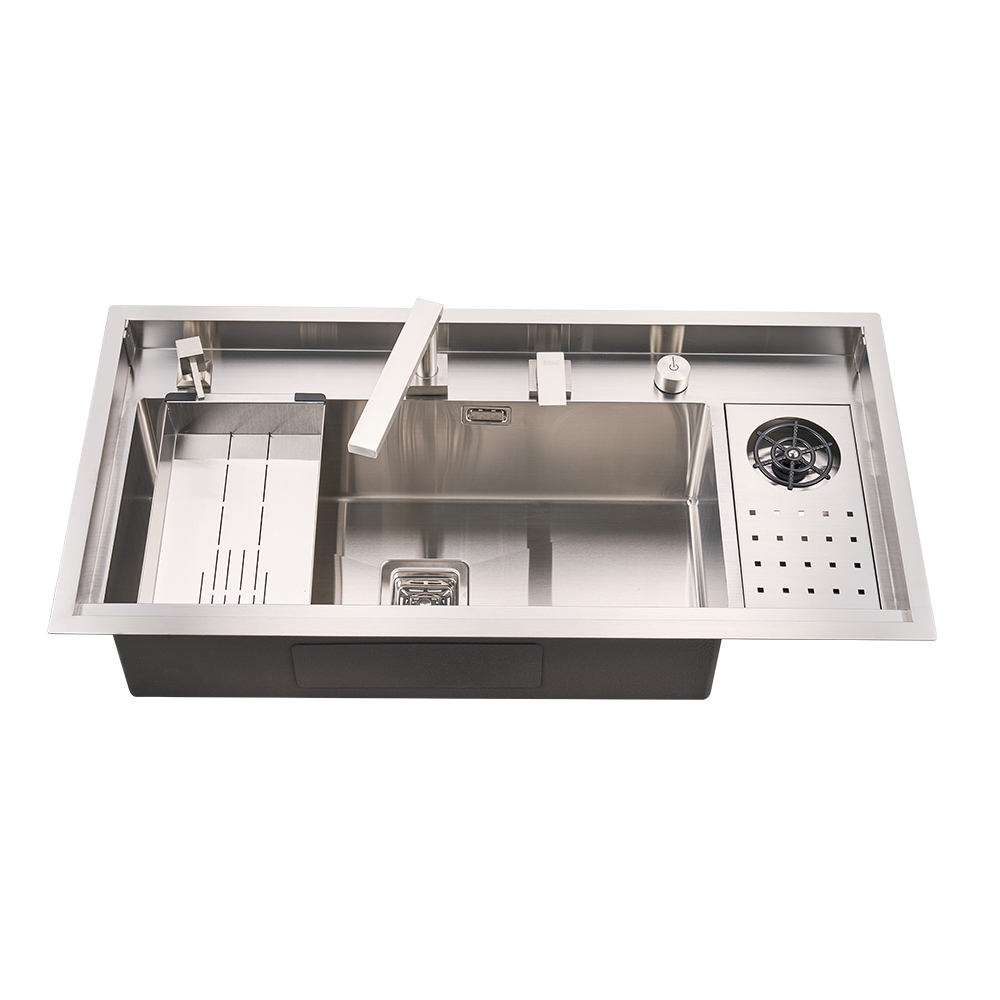
FAQ
What grade of stainless steel is best for professional kitchen sinks?
Professional kitchens typically specify Type 304 stainless steel (18-8 chromium-nickel alloy) for general-purpose applications, as it provides excellent corrosion resistance, durability, and sanitation properties for most foodservice environments. For operations involving heavy salt exposure, acidic ingredients, or coastal locations, Type 316 stainless steel offers enhanced corrosion resistance through molybdenum addition. The gauge thickness also matters significantly, with 16-gauge providing superior durability for high-volume operations and 18-gauge offering good performance for moderate-use applications. Professional-grade sinks should always meet NSF certification standards regardless of specific alloy selection.
How do maintenance requirements for stainless kitchen sinks compare to other commercial sink materials?
Stainless kitchen sinks require considerably less maintenance than alternative materials used in professional settings. Routine cleaning with standard commercial sanitizers maintains both appearance and hygiene without specialized products or procedures, while the non-porous surface prevents staining and discoloration that affect composite or ceramic options. Unlike coated sinks that may need periodic refinishing, stainless steel develops a working patina that doesn't compromise functionality, and surface scratches can be buffed out if aesthetic concerns arise. The material's resistance to chemical damage means harsh cleaning protocols won't degrade the sink, reducing long-term maintenance costs and ensuring consistent performance throughout the fixture's service life.
Can stainless kitchen sinks be customized for specific professional kitchen workflows?
Professional stainless kitchen sinks offer exceptional customization potential, as the material can be fabricated into virtually any configuration required by specific operational needs. Custom designs can incorporate multiple compartments with specified dimensions, integrated drainboards positioned for optimal workflow, specialized features like hand-washing stations or pre-rinse areas, and accessories such as cutting boards, dish racks, or utensil holders. Fabricators can create seamless installations that include backsplashes, side splashes, and countertop integration tailored to available space and functional requirements. This customization capability makes stainless steel the preferred choice when designing purpose-built kitchen workstations that optimize efficiency for specific menu types or service models.
What factors affect the lifespan of a stainless kitchen sink in professional use?
The service life of a professional stainless kitchen sink depends primarily on initial quality factors including steel grade, gauge thickness, and fabrication quality, with properly specified fixtures routinely lasting twenty to thirty years or more in demanding commercial environments. Operational factors that influence longevity include the aggressiveness of cleaning chemicals used, frequency and severity of impact abuse, water quality characteristics that may accelerate corrosion, and maintenance consistency in addressing minor issues before they escalate. Sinks installed with proper structural support and appropriate plumbing connections typically outlast those subjected to installation deficiencies that create stress concentrations. Professional-grade stainless steel's inherent durability means that with reasonable care, these fixtures often remain functional throughout multiple equipment refresh cycles, making them among the longest-lasting components in commercial kitchens.
Table of Contents
- Hygiene Standards and Food Safety Compliance
- Durability and Operational Longevity
- Functional Design and Operational Efficiency
- Industry Standards and Professional Expectations
- Environmental Sustainability and Resource Efficiency
-
FAQ
- What grade of stainless steel is best for professional kitchen sinks?
- How do maintenance requirements for stainless kitchen sinks compare to other commercial sink materials?
- Can stainless kitchen sinks be customized for specific professional kitchen workflows?
- What factors affect the lifespan of a stainless kitchen sink in professional use?