EN
EN


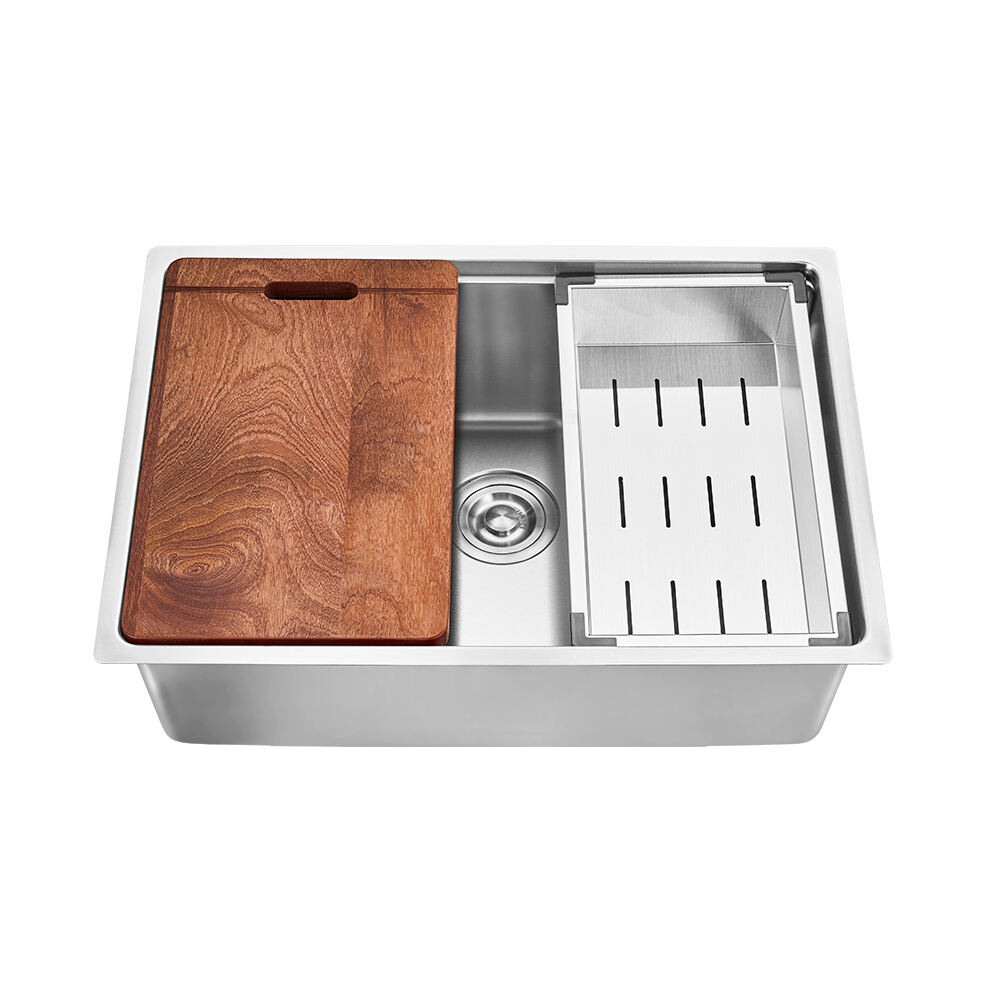
সঠিকটি বেছে নেওয়া রান্নাঘরের সিঙ্ক এটি যেকোনো রান্নাঘর ডিজাইন বা রিনোভেশন প্রকল্পের মধ্যে সবচেয়ে গুরুত্বপূর্ণ সিদ্ধান্তগুলির মধ্যে একটি। সামান্য বাধার মধ্যে পরিবর্তনযোগ্য সজ্জামূলক উপাদানগুলির বিপরীতে, রান্নাঘরের সিংক হল একটি স্থায়ী, উচ্চ-ব্যবহৃত সুবিধা যা সরাসরি দৈনিক কাজের প্রবাহ, স্বাস্থ্য মানদণ্ড এবং দীর্ঘমেয়াদী রক্ষণাবেক্ষণ খরচকে প্রভাবিত করে। আপনি যদি একটি বাসস্থানীয় নির্মাণ, একটি বাণিজ্যিক রান্নাঘর বা একটি অতিথি সেবা পরিবেশের জন্য নির্দিষ্ট করছেন, তবে নির্বাচনের পর্যায়ে আপনি যে কর্মক্ষমতা সংক্রান্ত ফ্যাক্টরগুলি মূল্যায়ন করবেন, তা নির্ধারণ করবে যে সিংকটি তীব্র ব্যবহারের বছরগুলির মধ্যে কতটা ভালোভাবে তার উদ্দেশ্য পূরণ করবে।

রান্নাঘরের সিংকের কার্যকারিতা মূল্যায়ন শুধুমাত্র পৃষ্ঠের সৌন্দর্যের বাইরে অনেক দূর পর্যন্ত বিস্তৃত। যেসব ক্রেতা ও স্পেসিফায়ার শুধুমাত্র দৃশ্যমান আকর্ষণের উপর ফোকাস করেন, তাঁরা প্রায়শই ইনস্টলেশনের পরে শব্দ, জল নিষ্কাশনের অদক্ষতা, ক্ষয়রোধ ব্যর্থতা বা খারাপ মানব-কেন্দ্রিক ডিজাইনের সমস্যার সম্মুখীন হন। কার্যকারিতা সংক্রান্ত বিভিন্ন কারকের একটি গঠিত মূল্যায়ন পদ্ধতি নিশ্চিত করে যে আপনি যে রান্নাঘরের সিংকটি নির্বাচন করছেন, তা স্থানটির প্রকৃত প্রয়োজন, ব্যবহারকারীদের এবং অপারেশনাল প্রেক্ষাপটের সঙ্গে সামঞ্জস্যপূর্ণ। এই নিবন্ধটি প্রতিটি রান্নাঘরের সিংক নির্বাচনের সিদ্ধান্ত গাইড করা উচিত এমন মূল কার্যকারিতা মাত্রাগুলির বিশ্লেষণ করে।
উপাদানের গুণগত মান এবং গঠনগত স্থায়িত্ব
কেন উপাদানের মান দীর্ঘমেয়াদী কার্যকারিতা নির্ধারণ করে
রান্নাঘরের সিংকটি যে উপাদান দিয়ে তৈরি করা হয়, তা এর গাঠনিক টেকসইতা এবং দৈনিক ব্যবহারজনিত ক্ষয়ক্ষতির প্রতি প্রতিরোধের ক্ষেত্রে সবচেয়ে গুরুত্বপূর্ণ ফ্যাক্টর। ক্ষয়রোধী বৈশিষ্ট্য, স্বাস্থ্যসম্মত পৃষ্ঠের ধর্ম এবং যান্ত্রিক শক্তির কারণে স্টেইনলেস স্টিল বাসাবাড়ি ও বাণিজ্যিক উভয় ধরনের রান্নাঘরের সিংকের ক্ষেত্রে এখনও প্রধান উপাদান হিসেবে বিবেচিত হয়। তবে, সমস্ত স্টেইনলেস স্টিল সমান নয়। ব্যবহৃত স্টিলের গ্রেড সরাসরি রান্নাঘরের সিংকটির কার্যকারিতা নির্ধারণ করে—যেমন, জল, পরিষ্কারক দ্রব্য, অম্লীয় খাবার এবং ভৌত আঘাতের সংস্পর্শে এটি কীভাবে আচরণ করে।
SUS304 স্টেইনলেস স্টিল, যাতে ১৮% ক্রোমিয়াম এবং ৮% নিকেল থাকে, উচ্চ-কর্মক্ষমতাসম্পন্ন রান্নাঘরের সিংকের জন্য সর্বাধিক গুণগত মানদণ্ড হিসেবে ব্যাপকভাবে স্বীকৃত। এই গঠন কঠিন পানি বা ক্লোরিন-ভিত্তিক পরিষ্কারক বারবার ব্যবহারের মতো পরিবেশেও মরচে ও জারণের প্রতি চমৎকার প্রতিরোধ ক্ষমতা প্রদান করে। নিম্ন-মানের ইস্পাত দিয়ে তৈরি রান্নাঘরের সিংকটি ক্রয়কালে অভিন্ন দেখতে হলেও ব্যবহারের তুলনামূলকভাবে সংক্ষিপ্ত সময়ের মধ্যেই পৃষ্ঠে দাগ, গর্ত (পিটিং) বা কাঠামোগত ক্লান্তির লক্ষণ দেখাতে পারে।
উপাদানের গুণগত মান মূল্যায়ন করার সময় ইস্পাতের পুরুত্ব—যা গেজ (gauge) হিসেবে পরিমাপ করা হয়—ও মূল্যায়ন করা গুরুত্বপূর্ণ। গেজ সংখ্যা যত কম হবে, ইস্পাত তত পুরু হবে। ১৬-গেজ বা ১৮-গেজ SUS304 ইস্পাত দিয়ে তৈরি রান্নাঘরের সিংক পাতলা বিকল্পগুলির তুলনায় আঘাতের চিহ্ন, বাঁকুনি এবং শব্দ প্রতিরোধে উল্লেখযোগ্যভাবে ভালো কর্মক্ষমতা প্রদর্শন করে। পুরুত্ব সিংকটির গরম ও ঠান্ডা পানির বারবার পরিবর্তনের ফলে সৃষ্ট তাপীয় আঘাত সহ্য করার ক্ষমতাও প্রভাবিত করে, যাতে সময়ের সাথে সাথে বিকৃত হওয়া এড়ানো যায়।
পৃষ্ঠের সমাপ্তি এবং এর কার্যকারিতা-সংক্রান্ত প্রভাব
রান্নাঘরের সিংকের পৃষ্ঠের সমাপ্তি শুধুমাত্র এর দৃশ্যমান চেহারা নয়, এর অন্যান্য দিকও প্রভাবিত করে। উদাহরণস্বরূপ, ব্রাশড বা স্যাটিন ফিনিশ মিরর-পলিশড পৃষ্ঠের তুলনায় সূক্ষ্ম আঁচড় এবং জলের দাগ দেখানোর প্রতি কম সংবেদনশীল। উচ্চ-ব্যবহারযোগ্য পরিবেশে, ব্রাশড ফিনিশ কম রক্ষণাবেক্ষণ প্রয়াসে একটি পরিষ্কার চেহারা বজায় রাখে, যা শুধুমাত্র সৌন্দর্যগত নয়, বরং একটি ব্যবহারিক কার্যকারিতা-সংক্রান্ত সুবিধা।
কিছু কিচেন সিঙ্ক পণ্যে অতিরিক্ত সারফেস ট্রিটমেন্ট অন্তর্ভুক্ত থাকে, যেমন বেসিনের নিচের অংশে ন্যানো-কোটিং বা শব্দ-নিরোধক প্যাড লাগানো। এই ট্রিটমেন্টগুলো শব্দ কমানো, তাপ নিরোধক এবং ঘনীভবন নিয়ন্ত্রণে সাহায্য করে। একটি কিচেন সিঙ্কে এই কার্যকরী সারফেস এনহ্যান্সমেন্টগুলো আছে কিনা তা মূল্যায়ন করা একটি সম্পূর্ণ পারফরম্যান্স মূল্যায়নের গুরুত্বপূর্ণ অংশ, বিশেষ করে ওপেন-প্ল্যান রান্নাঘরের ক্ষেত্রে যেখানে শব্দ সঞ্চালন একটি উদ্বেগের বিষয়।
বেসিনের কনফিগারেশন এবং কার্যকারিতা-সংক্রান্ত ধারণক্ষমতা
একক বাউল বনাম বহু-অঞ্চল লেআউট
রান্নাঘরের সিংকের বেসিন কনফিগারেশন নির্ধারণ করে যে কতটা কার্যকরভাবে এটি রান্নাঘরে সম্পাদিত আসল কাজগুলিকে সমর্থন করে। একটি একক-বাউল রান্নাঘরের সিংক একটি অবিচ্ছিন্ন কাজের স্থান প্রদান করে যা বড় বড় পট, বেকিং ট্রে এবং অতিরিক্ত বড় রান্নার পাত্রগুলিকে সহজেই ধরে রাখতে পারে। এই কনফিগারেশনটি বিশেষভাবে সেইসব রান্নাঘরের জন্য উপযুক্ত যেখানে ব্যাচ রান্না, খাবার প্রস্তুতি এবং ভারী ধরনের পরিষ্কার-পরিচ্ছন্নতা নিয়মিত কাজ। বিভাজকের অভাবে কোনও একক কাজের জন্য পূর্ণ বেসিনের গভীরতা এবং প্রস্থ উপলব্ধ থাকে।
বহু-অঞ্চল কনফিগারেশন—যার মধ্যে ডাবল-বাউল এবং এক-আধা বাউল ডিজাইন অন্তর্ভুক্ত—একই রান্নাঘরের সিংকের ফুটপ্রিন্টের মধ্যে একসাথে কাজগুলি পৃথক করার অনুমতি দেয়। একটি অঞ্চল ধোয়ার জন্য ব্যবহার করা যেতে পারে, অন্যটি ধোয়ার পর ধোয়া (রিন্সিং) বা ভিজিয়ে রাখার (সোকিং) জন্য ব্যবহার করা যেতে পারে, যা ব্যস্ত রান্নাঘরগুলিতে কাজের প্রবাহের দক্ষতা বৃদ্ধি করে। এর প্রতিকূল দিক হলো যে প্রতিটি আলাদা অঞ্চল ছোট হয়, যা স্বাচ্ছন্দ্যের সাথে পরিষ্কার করা যায় এমন বস্তুগুলির আকারকে সীমিত করতে পারে। বাউল কনফিগারেশন মূল্যায়ন করতে হলে রান্নাঘরের সিংকটি প্রতিদিন আসলে কীভাবে ব্যবহার করা হবে, তা সত্যিকার অর্থে মূল্যায়ন করা আবশ্যক।
গভীরতা, মাত্রা এবং শারীরিক সুবিধার সাথে মিল
বেসিনের গভীরতা রান্নাঘরের সিংক নির্বাচনের সময় প্রায়শই অবহেলিত একটি কার্যকারিতা ফ্যাক্টর। গভীর বেসিন ধোয়ার সময় জলের ছিটকানো কমায়, বড় আকারের জিনিসগুলিকে আরও কার্যকরভাবে ডুবিয়ে রাখে এবং গড় উচ্চতার ব্যবহারকারীদের জন্য আরও শারীরিকভাবে সুবিধাজনক কাজের অবস্থান প্রদান করে। স্ট্যান্ডার্ড বেসিনের গভীরতা প্রায় ১৮০ মিমি থেকে ২৫০ মিমি পর্যন্ত হয় এবং সঠিক পছন্দটি কাউন্টারটপের উচ্চতা, প্রধান ব্যবহারকারীর দৈহিক উচ্চতা এবং রান্নাঘরের সিংকে যেসব কাজ সবচেয়ে বেশি করা হবে তার উপর নির্ভর করে।
সামগ্রিক সিংকের মাত্রাগুলি উপলব্ধ ক্যাবিনেট স্থান এবং কাউন্টারটপের কাটআউটের সাপেক্ষে মূল্যায়ন করা আবশ্যিক। ক্যাবিনেট বেসের চেয়ে বড় সিংক অন্তর্গত স্টোরেজ এবং প্লাম্বিং অ্যাক্সেসকে ক্ষতিগ্রস্ত করবে। অন্যদিকে, কাউন্টারটপের খোলার চেয়ে ছোট সিংক অতিরিক্ত সংশোধনী কাজের প্রয়োজন হবে। নির্ভুল মাত্রাগত সামঞ্জস্য হল একটি মৌলিক কিন্তু অত্যন্ত গুরুত্বপূর্ণ কার্যকারিতা মানদণ্ড, যা কোনো ক্রয় সিদ্ধান্ত চূড়ান্ত করার আগে নিশ্চিত করা আবশ্যিক।
ড্রেনেজ দক্ষতা এবং প্লাম্বিং একীকরণ
ড্রেন স্থাপন এবং প্রবাহ হার
ড্রেনেজ কর্মক্ষমতা কোনও রান্নাঘরের সিংকের জন্য একটি মৌলিক কার্যকরী প্রয়োজনীয়তা, তবে এটি প্রায়শই নির্বাচন প্রক্রিয়ায় উপেক্ষা করা হয়। বেসিনের ভিতরে ড্রেন আউটলেটের অবস্থান ব্যবহারের পরে পানি কতটা সম্পূর্ণভাবে এবং কতটা দ্রুত নিষ্কাশিত হয় তা নির্ধারণ করে। পিছনের দিকে স্থাপিত ড্রেন বেসিনের তলদেশকে আউটলেটের দিকে স্বাভাবিকভাবে ঢালু করে, যার ফলে অবশিষ্ট পানির পরিমাণ কমে এবং অবশিষ্টাংশ জমা হওয়ার ঝুঁকি হ্রাস পায়। কেন্দ্র-ড্রেন কনফিগারেশনগুলি সাধারণত ব্যবহৃত হয়, কিন্তু বেসিনের তলদেশের ঢাল যদি যথেষ্ট না হয় তবে বেসিনের প্রান্তে পানির উথাল-পাথাল পুকুর গঠিত হতে পারে।
ড্রেন আউটলেটের ব্যাস এবং স্ট্রেইনার বাস্কেটের গুণগত মানও ড্রেনেজ দক্ষতাকে প্রভাবিত করে। একটি রান্নাঘরের সিংক, যার ড্রেন খোলার আকার বড় এবং স্ট্রেইনারটি ভালোভাবে নকশা করা হয়েছে, জলের উচ্চ-পরিমাণ প্রবাহ নিয়ন্ত্রণ করতে পারে যাতে জল ফিরে না আসে—এটি বিশেষভাবে বাণিজ্যিক বা অর্ধ-বাণিজ্যিক রান্নাঘরের পরিবেশে গুরুত্বপূর্ণ। রান্নাঘরের সিংক সিস্টেমের একটি অংশ হিসেবে ড্রেন অ্যাসেম্বলিকে মূল্যায়ন করা, যদি এটি পরে ভাবা হয় না, তবে দীর্ঘমেয়াদী কার্যকারিতার উন্নত ফলাফল অর্জনে সহায়তা করে।
ওয়েস্ট ডিসপোজাল এবং সহায়ক সিস্টেমগুলির সাথে সামঞ্জস্যতা
আধুনিক রান্নাঘরের সিংক ইনস্টলেশনগুলিতে ক্রমশ ওয়েস্ট ডিসপোজাল ইউনিট, ফিল্টার করা জলের ট্যাপ, এবং কলান্ডার, কাটিং বোর্ড এবং সাবান ডিসপেন্সারের মতো একীভূত সহায়ক যন্ত্রপাতি অন্তর্ভুক্ত করা হচ্ছে। একটি রান্নাঘরের সিংক কি এই সমস্ত সংযোজনগুলি গ্রহণ করার জন্য নকশা করা হয়েছে কিনা তা মূল্যায়ন করা একটি গুরুত্বপূর্ণ ভবিষ্যৎ-দৃষ্টিসম্পন্ন কার্যকারিতা বিবেচনা। একটি সিংক যা সম্পূর্ণ সহায়ক ইকোসিস্টেমকে সমর্থন করে, তা একটি মৌলিক বেসিন-এবং-ড্রেন ইউনিটের তুলনায় উল্লেখযোগ্যভাবে বেশি কার্যকরী মূল্য প্রদান করে।
প্লাম্বিং সামঞ্জস্যতা ড্রেন আউটলেটের কনফিগারেশন এবং সিংক ক্যাবিনেটের নীচে উপলব্ধ স্থানের দিকেও বিস্তৃত হয়। একটি ভালভাবে প্রকৌশলীকৃত আন্ডার-সিংক লেআউট সহ রান্নাঘরের সিংক ইনস্টলেশনকে সহজতর করে, প্লাম্বিং ত্রুটির ঝুঁকি কমায় এবং ভবিষ্যতে রক্ষণাবেক্ষণকে আরও সহজসাধ্য করে। বাণিজ্যিক বা বহু-ইউনিট বাসস্থান প্রকল্পে কাজ করছেন এমন স্পেসিফায়ারদের বিশেষভাবে মানকৃত প্লাম্বিং সংযোগগুলির প্রতি মনোযোগ দেওয়া উচিত, যা একাধিক ইউনিটে ইনস্টলেশনের পরিবর্তনশীলতা কমায়।
শব্দ হ্রাস এবং তাপীয় কার্যকারিতা
শব্দ শমনকে একটি কার্যকারিতা মান হিসাবে
শব্দ হলো একটি কার্যকারিতা-সম্পর্কিত মাত্রা যা রান্নাঘরের সিংকের ব্যবহারকারীর অভিজ্ঞতাকে উল্লেখযোগ্যভাবে প্রভাবিত করে, বিশেষ করে ওপেন-প্ল্যান লিভিং স্পেসে, যেখানে রান্নাঘরের শব্দগুলো পাশের অঞ্চলে ছড়িয়ে পড়ে। একটি খালি স্টেইনলেস স্টিলের বেসিনে জল পড়ার প্রভাব বেশ কয়েকটি শব্দ সৃষ্টি করতে পারে, যা দৈনিক ব্যবহারে ধ্রুবক অস্বস্তির কারণ হয়ে ওঠে। যে রান্নাঘরের সিংকে শব্দ হ্রাসকারী প্রযুক্তি অন্তর্ভুক্ত করা হয়, তা এই সমস্যার সমাধান করে উৎপাদন পর্যায়েই, পরবর্তী সময়ে অতিরিক্ত সমাধানের প্রয়োজন ছাড়াই।
রান্নাঘরের সিংকে কার্যকর শব্দ হ্রাস সাধারণত বেসিনের নীচের দিকে ঘন রাবার বা বিটুমেনের প্যাড লাগানোর মাধ্যমে অর্জন করা হয়, যা কম্পন শোষণ করে এবং জলের শব্দকে বাড়িয়ে দেওয়া রেজোন্যান্স হ্রাস করে। এই প্যাডগুলোর আবরণের এলাকা এবং পুরুত্ব পণ্যভেদে ভিন্ন হয়, এবং যে রান্নাঘরের সিংকে বেসিনের সম্পূর্ণ তল ও পার্শ্বদেশ জুড়ে ব্যাপক প্যাড আবরণ রয়েছে, তা শব্দ হ্রাসে যথেষ্ট ভালো কার্যকারিতা প্রদর্শন করবে, যা সীমিত বা আংশিক আবরণ সহ সিংকের তুলনায় স্পষ্টভাবে উত্তম।
তাপীয় রোধ এবং ঘনীভবন নিয়ন্ত্রণ
তাপীয় কার্যকারিতা হল আরেকটি কার্যকরী বিবেচনা যা রান্নাঘরের সিংকের দীর্ঘস্থায়িত্ব এবং এর চারপাশের ইনস্টলেশনের আরামদায়কতাকে প্রভাবিত করে। স্টেইনলেস স্টিল তাপ দক্ষতার সাথে পরিবহন করে, যার অর্থ ইনসুলেশন ছাড়া বেসিনের বাহ্যিক পৃষ্ঠটি ব্যবহৃত জলের তাপমাত্রা অনুযায়ী অস্বস্তিকরভাবে গরম বা ঠাণ্ডা হয়ে যেতে পারে। সিংকের নীচে স্থাপিত ইনসুলেশন প্যাডগুলি এই তাপীয় স্থানান্তরকে নিয়ন্ত্রণ করতে সাহায্য করে, পাশের ক্যাবিনেটগুলিকে তাপজনিত ক্ষতি থেকে রক্ষা করে এবং বেসিনের বাহ্যিক পৃষ্ঠে ঘনীভবন কমায়।
রান্নাঘরের সিংকের নীচের দিকে ঘনীভবন সময়ের সাথে সাথে আলমারির অভ্যন্তরে আর্দ্রতা ক্ষতি সৃষ্টি করতে পারে, যার ফলে আলমারির ফুলে ওঠা, ছত্রাকের বৃদ্ধি এবং গঠনগত ক্ষয় ঘটতে পারে। একটি রান্নাঘরের সিংক যাতে তাপীয় অপরিবাহীকরণ মানক বৈশিষ্ট্য হিসেবে অন্তর্ভুক্ত করা হয়েছে, তা দীর্ঘমেয়াদী উল্লেখযোগ্য সুবিধা প্রদান করে যা অতিরিক্ত বিনিয়োগকে যথার্থ করে—বিশেষ করে যেসব জলবায়ুতে তাপমাত্রার পরিবর্তন উল্লেখযোগ্য হয় অথবা যেসব রান্নাঘরে গরম পানির ব্যবহার ঘন ও দীর্ঘস্থায়ী হয়।
ইনস্টলেশন পদ্ধতি এবং মাউন্টিং সামঞ্জস্যতা
আন্ডারমাউন্ট, টপ মাউন্ট এবং ফ্লাশ মাউন্ট বিবেচনা
রান্নাঘরের সিংকের ইনস্টলেশন পদ্ধতি কাউন্টারটপের সাথে এর দৃশ্যগত একীভূতকরণ এবং ব্যবহারিক স্বাস্থ্য কার্যকারিতা উভয়কেই প্রভাবিত করে। আন্ডারমাউন্ট সিংকগুলি কাউন্টারটপের পৃষ্ঠের নীচে ইনস্টল করা হয়, যা একটি সীমাহীন সংযোগ তৈরি করে যাতে ধ্বংসাবশেষগুলি সরাসরি বেসিনের মধ্যে মোছা সহজ হয় এবং খাদ্য কণা ও আর্দ্রতা জমা হওয়ার জন্য প্রান্তের ফাঁক দূর হয়। এই ইনস্টলেশন শৈলীটি উচ্চ-স্বাস্থ্য পরিবেশ এবং প্রিমিয়াম রান্নাঘর ডিজাইনে পছন্দনীয়।
টপ-মাউন্ট বা ড্রপ-ইন রান্নাঘরের সিংক ইনস্টলেশনগুলি কার্যকর করা সহজ এবং ল্যামিনেট পৃষ্ঠের মতো বিভিন্ন ধরনের কাউন্টারটপ উপকরণের সাথে সামঞ্জস্যপূর্ণ, যা আন্ডারমাউন্ট ইনস্টলেশন সমর্থন করতে পারে না। টপ-মাউন্ট রান্নাঘরের সিংকের দৃশ্যমান প্রান্তটি সীল লাইনে জমা হওয়ার প্রতিরোধে নিয়মিত পরিষ্কার করার প্রয়োজন হয়, যা একটি ছোট কিন্তু বাস্তব রক্ষণাবেক্ষণের বিষয়। ফ্লাশ-মাউন্ট বা জিরো-রেডিয়াস ইনস্টলেশনগুলি আন্ডারমাউন্ট কনফিগারেশনের মতো ব্যবহারিক পরিষ্কারের সুবিধা সহ একটি আধুনিক দৃশ্য প্রদান করে।
কাউন্টারটপ উপাদানের সামঞ্জস্যতা এবং গঠনগত সমর্থন
বেসিন, অ্যাক্সেসরিজ এবং জলের ভারসহ সম্পূর্ণ নির্দিষ্ট কিচেন সিংকের ওজন কাউন্টারটপ এবং ক্যাবিনেট গঠন দ্বারা সমর্থিত হতে হবে। ভারী সিংক কনফিগারেশনগুলির জন্য যথেষ্ট গঠনগত শক্তিকরণ প্রয়োজন, বিশেষত যখন এগুলি আন্ডারমাউন্ট কনফিগারেশনে ইনস্টল করা হয় যেখানে কাউন্টারটপ সম্পূর্ণ ভার বহন করে। কিচেন সিংক এবং কাউন্টারটপ উপাদানের মধ্যে গঠনগত সামঞ্জস্যতা মূল্যায়ন করা নির্দিষ্টকরণ প্রক্রিয়ায় একটি আবশ্যিক পদক্ষেপ।
গ্রানাইট এবং কোয়ার্টজের মতো পাথরের কাউন্টারটপ ভারী রান্নাঘরের সিংক স্থাপনের জন্য উপযুক্ত, অন্যদিকে পাতলা ল্যামিনেট বা সলিড সারফেস উপকরণগুলির জন্য অতিরিক্ত সমর্থন প্রয়োজন হতে পারে। একটি নিরাপদ ফিট এবং জলরোধী সিল নিশ্চিত করতে কাটআউটের মাত্রা অবশ্যই সঠিক হতে হবে। যে রান্নাঘরের সিংক সরবরাহকারী বিস্তারিত ইনস্টলেশন স্পেসিফিকেশন এবং কাটআউট টেমপ্লেট প্রদান করে, তিনি এই প্রক্রিয়াটিকে সহজতর করেন এবং কার্যকারিতা কমিয়ে দিতে পারে এমন ইনস্টলেশন ত্রুটির ঝুঁকি কমিয়ে দেন।
প্রায়শই জিজ্ঞাসিত প্রশ্নাবলী
উচ্চ-কার্যকারিতা সম্পন্ন রান্নাঘরের সিংকের জন্য কোন উপাদানটি সবচেয়ে বেশি সুপারিশ করা হয়?
SUS304 স্টেইনলেস স্টিল হল উচ্চ-কার্যকারিতা সম্পন্ন রান্নাঘরের সিংকের জন্য সবচেয়ে ব্যাপকভাবে সুপারিশকৃত উপাদান, কারণ এটি ক্ষয় প্রতিরোধী, স্বাস্থ্যসম্মত পৃষ্ঠতলের বৈশিষ্ট্য এবং গঠনগত স্থায়িত্ব প্রদান করে। SUS304-এ ১৮% ক্রোমিয়াম এবং ৮% নিকেলের সংমিশ্রণ প্রতিদিন ঘন ঘন ব্যবহারের অবস্থায়ও মরচে, দাগ এবং পৃষ্ঠতলের ক্ষয় থেকে নির্ভরযোগ্য সুরক্ষা প্রদান করে। গেজ পুরুত্বও সমানভাবে গুরুত্বপূর্ণ, যেখানে ১৬-গেজ এবং ১৮-গেজ বিকল্পগুলি শক্তি ও শব্দ প্রতিরোধের মধ্যে সর্বোত্তম ভারসাম্য প্রদান করে।
বেসিনের গভীরতা রান্নাঘরের সিংকের কার্যকারিতাকে কীভাবে প্রভাবিত করে?
বেসিনের গভীরতা সরাসরি ছিটকে পড়া নিয়ন্ত্রণ, শারীরিক আরামদায়ক ব্যবহার এবং বড় রান্নার পাত্র পরিচালনার ক্ষমতাকে প্রভাবিত করে। গভীর রান্নাঘরের সিংক বেসিন ধোয়ার সময় জল ছিটকে পড়া কমিয়ে দেয় এবং বড় পাত্র ও ট্রেগুলিকে আরও কার্যকরভাবে ডুবিয়ে রাখতে দেয়। অপ্টিমাল গভীরতা কাউন্টারটপের উচ্চতা এবং প্রধান ব্যবহারকারীর দাঁড়ানোর অবস্থানের উপর নির্ভর করে, তবে অধিকাংশ বাসগৃহ এবং হালকা বাণিজ্যিক প্রয়োগের জন্য ২০০ মিমি থেকে ২৩০ মিমি গভীরতা সাধারণত ব্যবহারযোগ্য বলে বিবেচিত হয়।
রান্নাঘরের সিংক নির্বাচনে শব্দ অ্যাম্প্লিফিকেশন কেন একটি গুরুত্বপূর্ণ পারফরম্যান্স ফ্যাক্টর?
শব্দ অ্যাম্প্লিফিকেশন গুরুত্বপূর্ণ, কারণ পানি যখন স্টেইনলেস স্টিলের রান্নাঘরের সিংক বেসিনে আঘাত করে তখন উৎপন্ন শব্দ বেশ প্রবল এবং বিঘ্নকারী হতে পারে, বিশেষ করে ওপেন-প্ল্যান লিভিং স্পেসে। বেসিনের নীচের দিকে রাবার বা বিটুমেন প্যাডের ব্যাপক আবরণযুক্ত রান্নাঘরের সিংক কম্পন শোষণ করে এবং অনুরণন হ্রাস করে, ফলে অপারেশনটি স্পষ্টভাবে শান্ত হয়। এটি একটি কার্যকরী পারফরম্যান্স বৈশিষ্ট্য—এটি কোনো বিলাসিতা যোগ নয়, এবং এটি দৈনিক ব্যবহারকারীর অভিজ্ঞতায় উল্লেখযোগ্যভাবে অবদান রাখে।
কার্যকরী সম্পূর্ণতা মূল্যায়নের সময় কোন অ্যাক্সেসরিজগুলি বিবেচনা করা উচিত?
একটি সম্পূর্ণ কার্যকরী রান্নাঘরের সিংকের মূল্যায়নে অবশ্যই একীভূত ছাঁকনি, কাটিং বোর্ড, সাবান ডিসপেন্সার এবং বর্জ্য নিষ্কাশন ইউনিট সহ অ্যাকসেসরিগুলির উপলব্ধতা ও সামঞ্জস্যতা বিবেচনা করা উচিত। এই অ্যাকসেসরিগুলি রান্নাঘরের সিংকের কাজের ক্ষমতা বৃদ্ধি করে এবং কাজের প্রবাহ দক্ষতা উন্নত করে। যে রান্নাঘরের সিংকের ডিজাইনে সমন্বিত অ্যাকসেসরি সিস্টেম বিদ্যমান, তা একটি আলাদা বেসিনের তুলনায় দীর্ঘমেয়াদী বেশি মূল্য প্রদান করে, বিশেষত যেসব রান্নাঘরে খাদ্য প্রস্তুতি এবং বহু-কাজকেন্দ্রিক রান্না দৈনিক ব্যবহারের কেন্দ্রবিন্দু।
বিষয়সূচি
- উপাদানের গুণগত মান এবং গঠনগত স্থায়িত্ব
- বেসিনের কনফিগারেশন এবং কার্যকারিতা-সংক্রান্ত ধারণক্ষমতা
- ড্রেনেজ দক্ষতা এবং প্লাম্বিং একীকরণ
- শব্দ হ্রাস এবং তাপীয় কার্যকারিতা
- ইনস্টলেশন পদ্ধতি এবং মাউন্টিং সামঞ্জস্যতা
-
প্রায়শই জিজ্ঞাসিত প্রশ্নাবলী
- উচ্চ-কার্যকারিতা সম্পন্ন রান্নাঘরের সিংকের জন্য কোন উপাদানটি সবচেয়ে বেশি সুপারিশ করা হয়?
- বেসিনের গভীরতা রান্নাঘরের সিংকের কার্যকারিতাকে কীভাবে প্রভাবিত করে?
- রান্নাঘরের সিংক নির্বাচনে শব্দ অ্যাম্প্লিফিকেশন কেন একটি গুরুত্বপূর্ণ পারফরম্যান্স ফ্যাক্টর?
- কার্যকরী সম্পূর্ণতা মূল্যায়নের সময় কোন অ্যাক্সেসরিজগুলি বিবেচনা করা উচিত?