stainless steel sink supplier
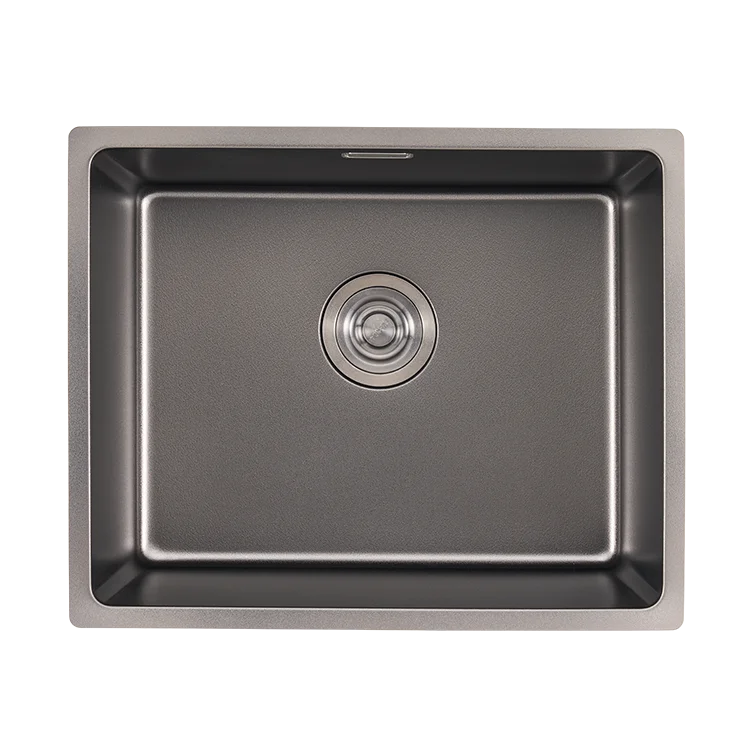
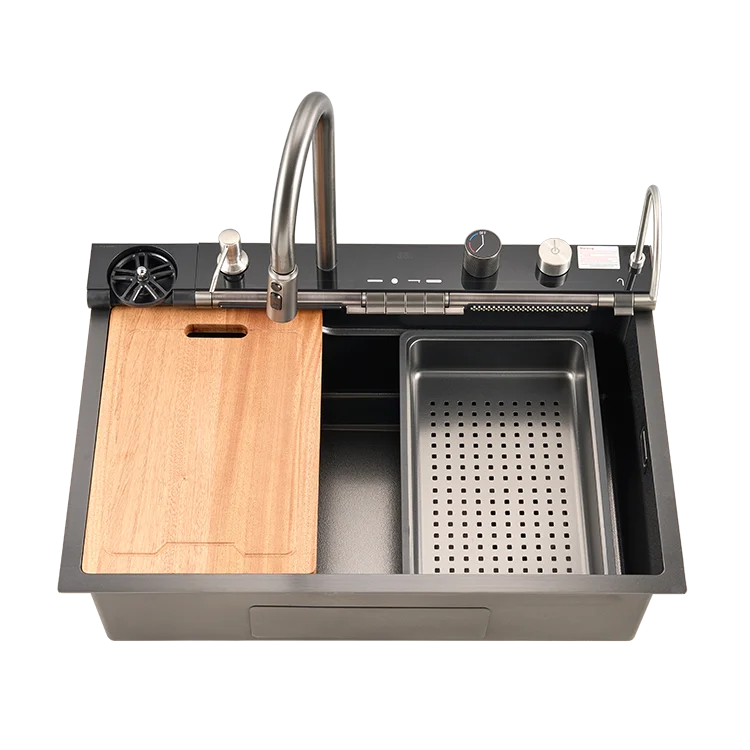
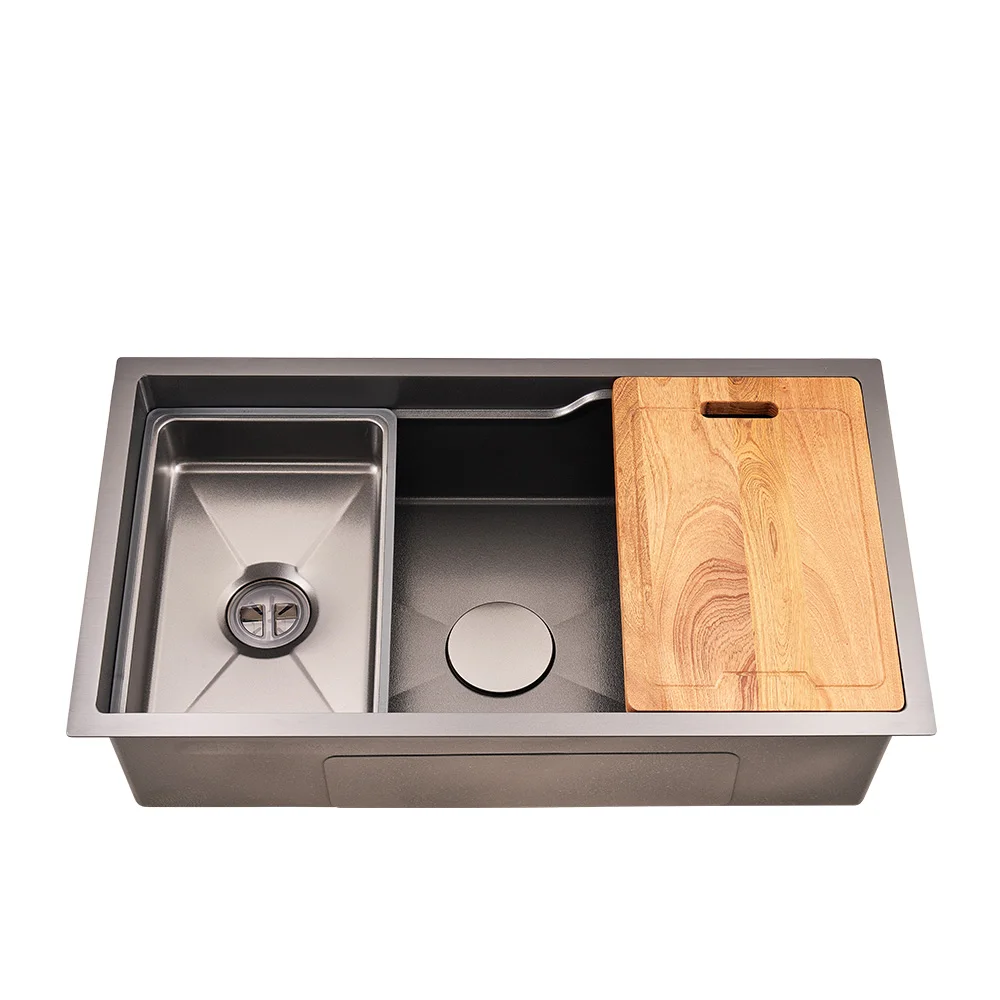
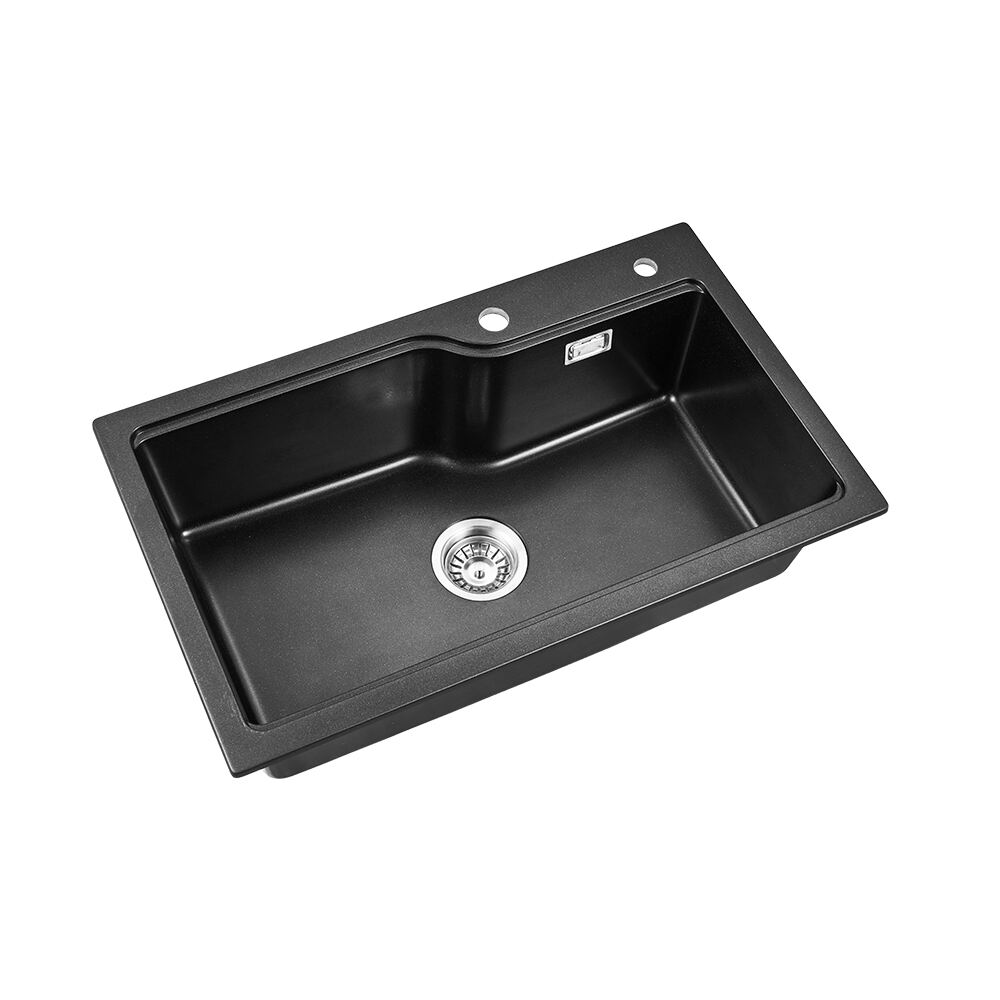
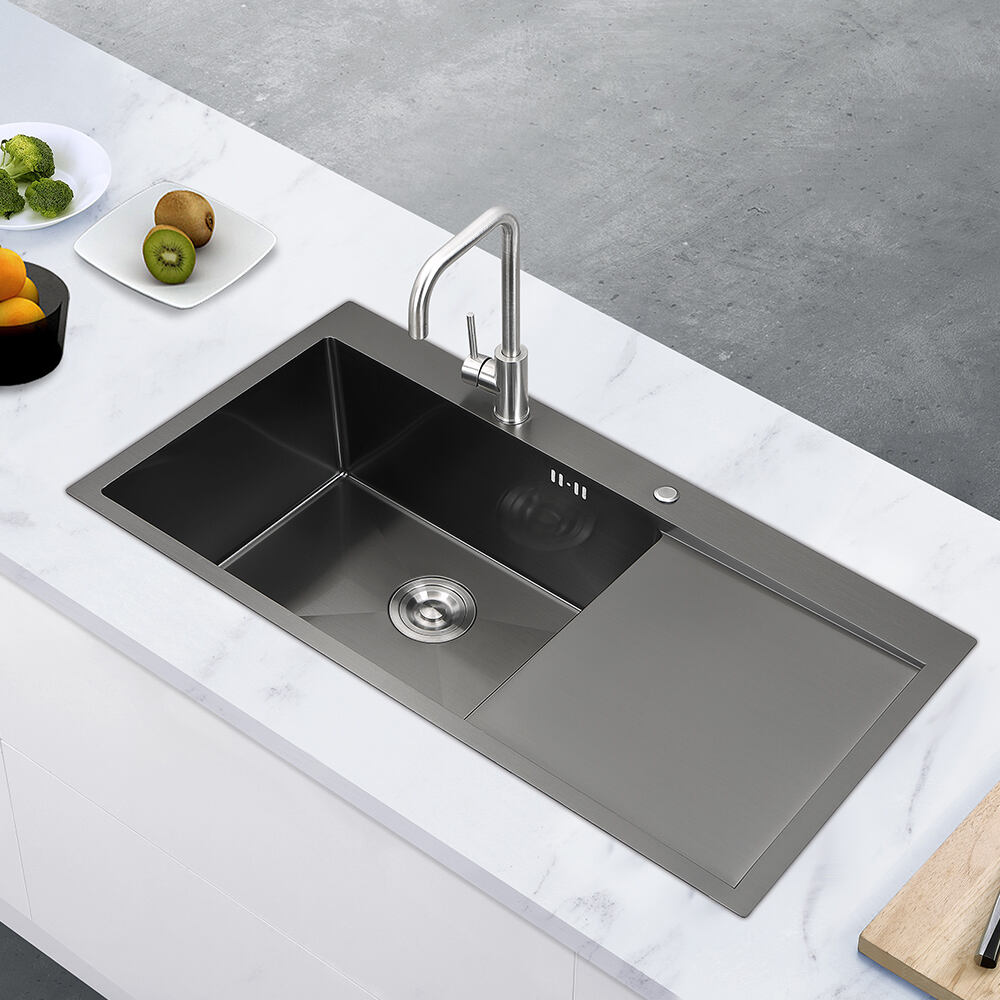
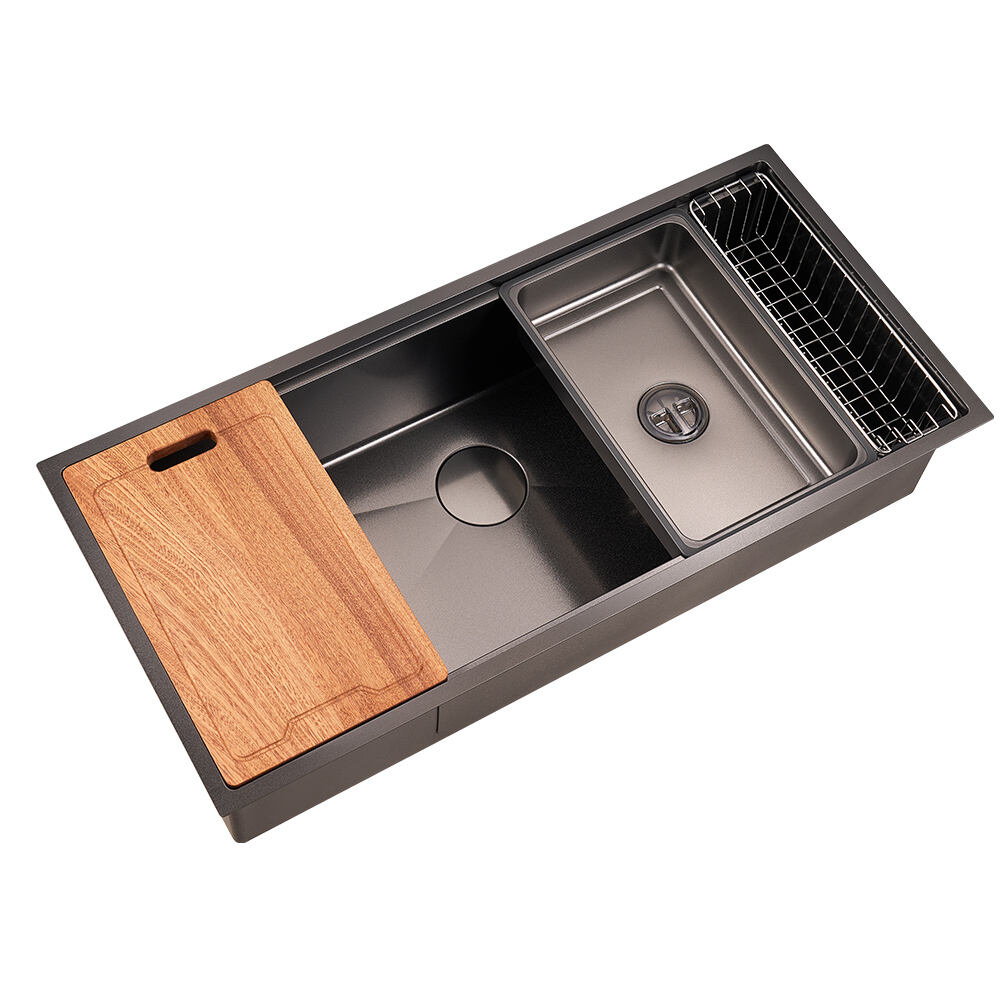
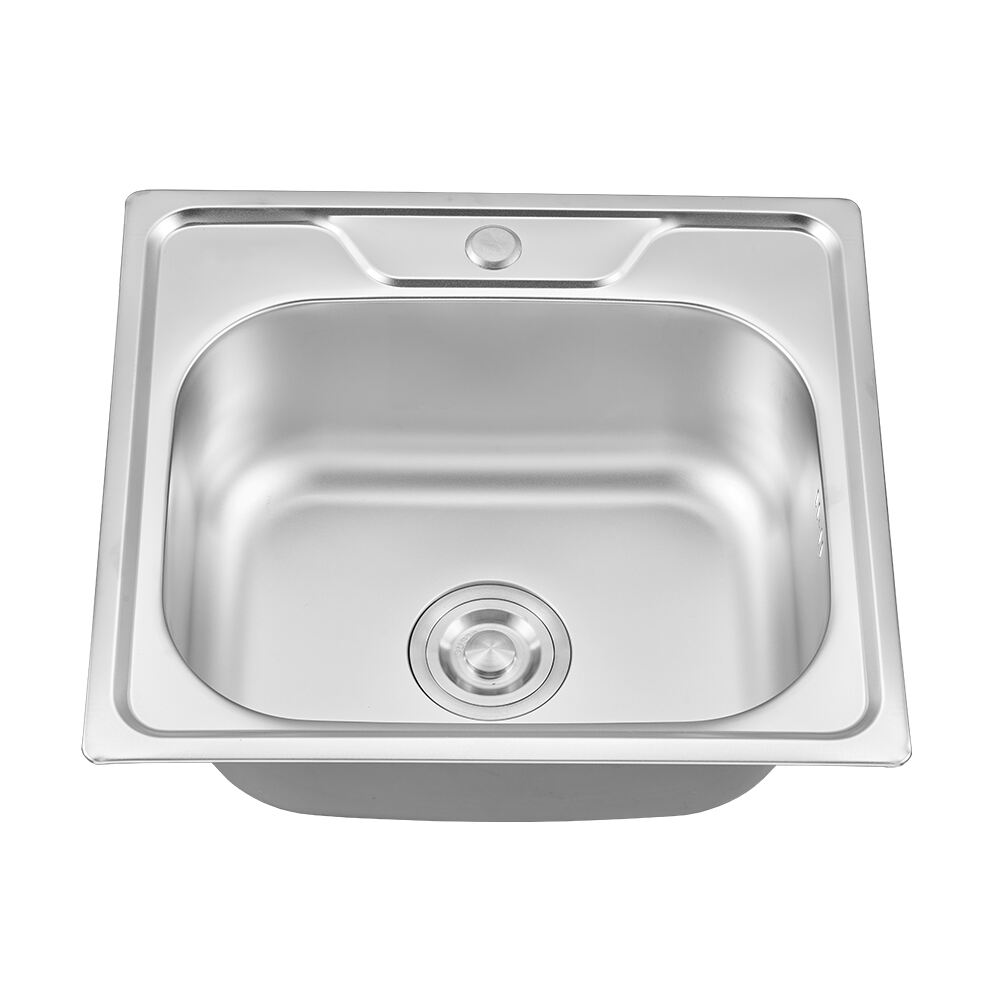
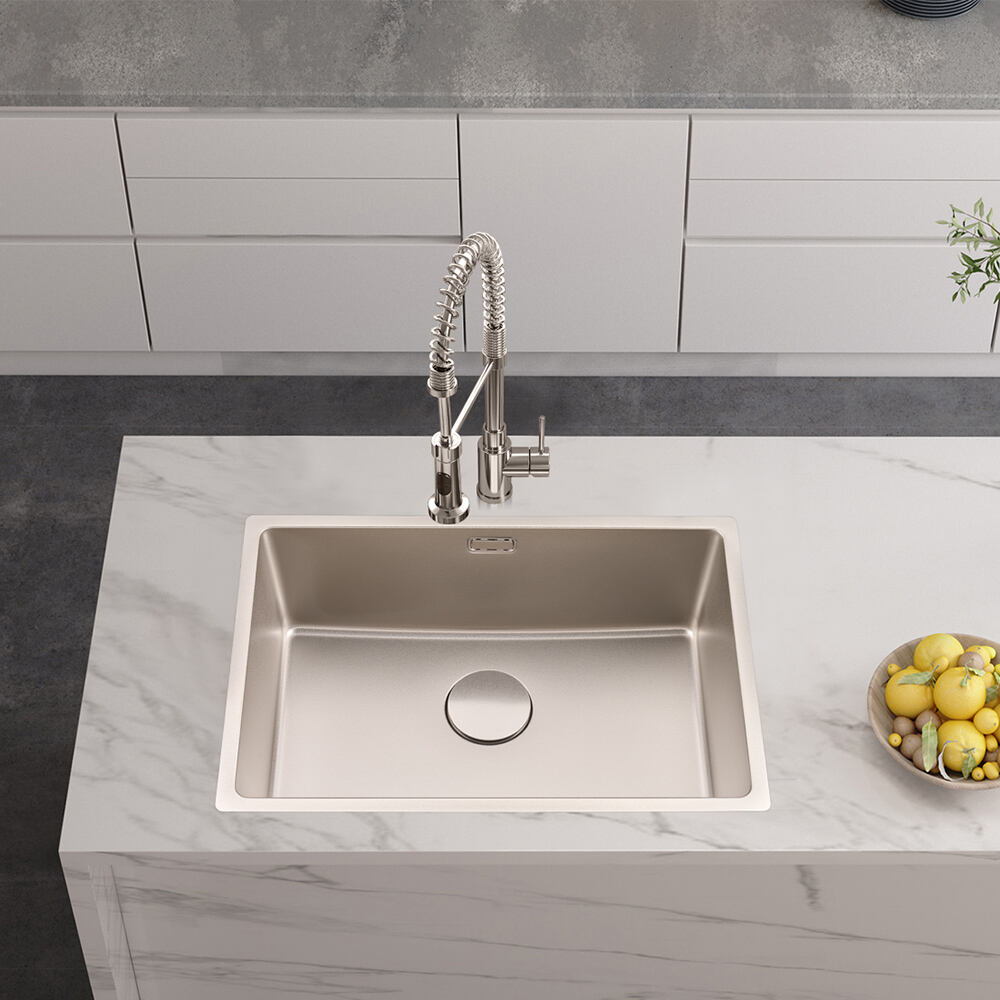
A stainless steel sink supplier serves as a crucial partner for residential and commercial projects requiring high-quality kitchen and utility sinks. These specialized suppliers focus on manufacturing, distributing, and supporting stainless steel sinks across various market segments, from homeowners to large-scale construction projects. The primary function of a stainless steel sink supplier involves sourcing premium grade stainless steel materials, typically 304 or 316 grade, and transforming them into functional, durable sink products through advanced manufacturing processes. Modern stainless steel sink suppliers utilize cutting-edge technology including precision stamping, deep drawing, and robotic welding systems to ensure consistent product quality and dimensional accuracy. Their technological capabilities encompass computer-aided design software for custom configurations, automated polishing systems for superior surface finishes, and quality control testing equipment to verify corrosion resistance and structural integrity. Applications for stainless steel sink supplier products span residential kitchens, commercial food service establishments, laboratories, hospitals, and industrial facilities where hygiene and durability are paramount. The supplier's product portfolio typically includes undermount sinks, drop-in models, farmhouse styles, and specialized commercial units with various bowl configurations. Advanced manufacturing facilities employ sound-dampening technologies, applying specialized coatings and pads to reduce noise during operation. Many stainless steel sink suppliers also provide complementary products such as cutting boards, colanders, and mounting hardware, creating comprehensive solutions for their customers. The supply chain management aspect involves maintaining relationships with steel mills, coordinating logistics for timely delivery, and providing technical support throughout the installation process. Quality assurance protocols ensure each product meets industry standards for thickness, finish quality, and dimensional tolerances, while environmental considerations drive many suppliers to implement sustainable manufacturing practices and recycling programs.
 EN
EN